



The Foundation: Understanding Your Protein Base
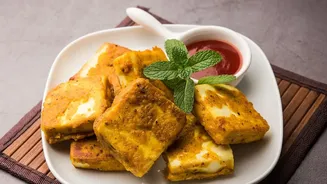
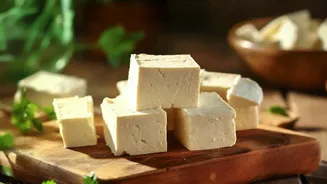
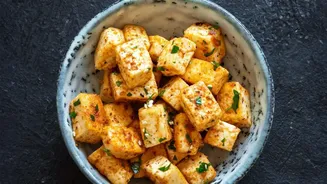
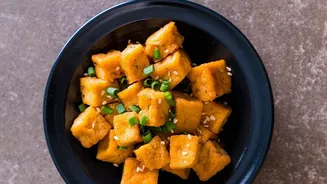
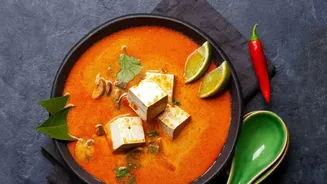
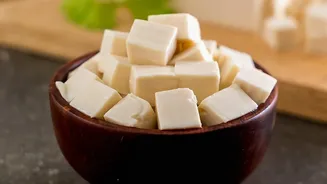
Before we add more, let's appreciate the stars of the show. Paneer, or Indian cottage cheese, is a protein powerhouse, offering roughly 18-20 grams of protein per 100-gram serving. It's also a fantastic source of calcium. Tofu, made from soybeans, is another
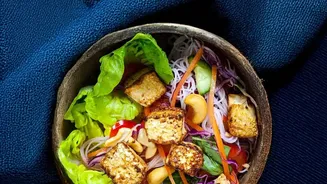
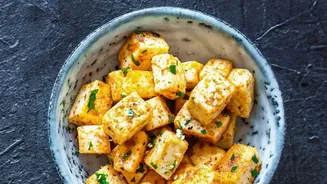
excellent option, especially for those following a vegan diet. While it contains less protein than paneer (about 8-10 grams per 100g), it is a complete protein, meaning it provides all nine essential amino acids. Tofu is also lower in calories and fat, making it a great choice for weight management. Understanding their individual strengths helps you choose the best base for your health goals—paneer for muscle building and tofu for a lighter, heart-healthy meal.
Power Up with Pulses and Legumes
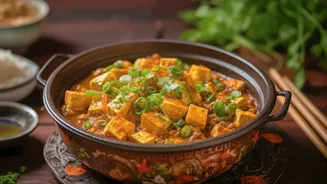
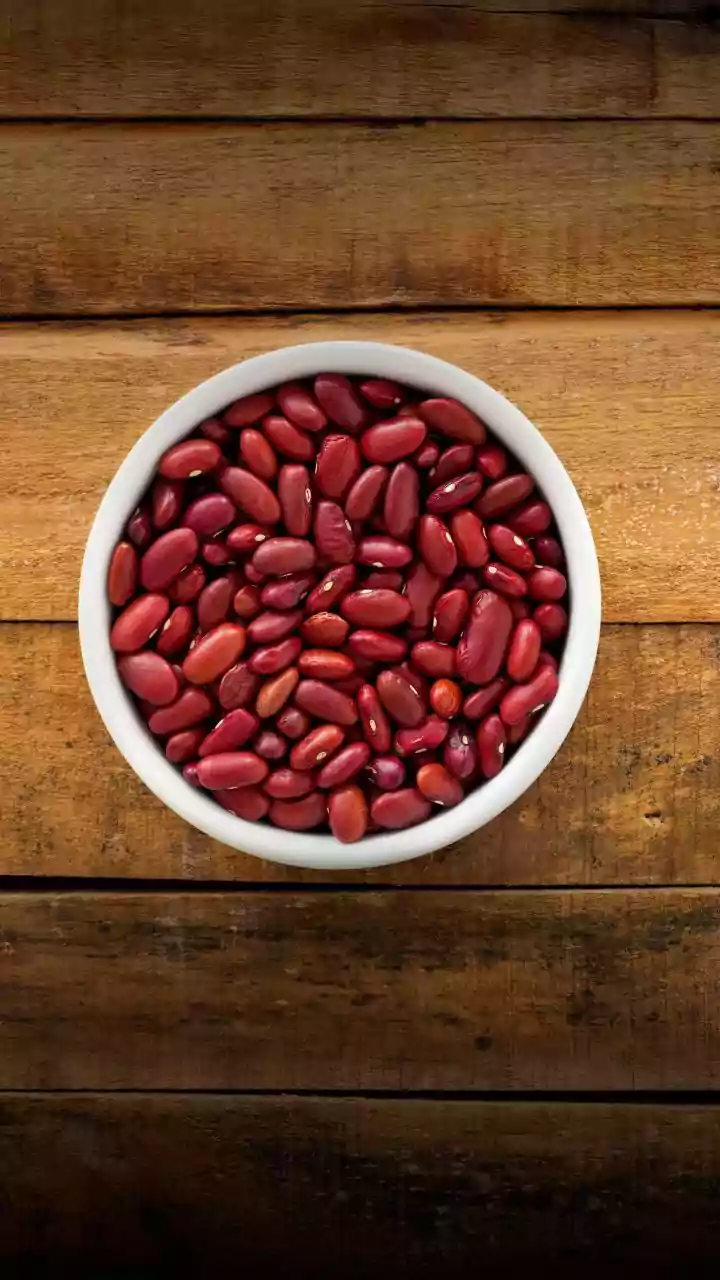
One of the easiest ways to ramp up the protein content of any curry or stir-fry is by adding pulses and legumes. Think beyond the main ingredient. A paneer or tofu gravy can be beautifully complemented with a cup of chickpeas (chana) or kidney beans (rajma). These additions not only increase the protein and fibre but also enhance the texture and heartiness of the dish, making it more filling. You can even create hybrid dishes like a Rajma Masala with cubes of tofu for a double protein hit. Mixed sprouts are another nutrient-dense option that can be tossed into a stir-fry or light curry in the last few minutes of cooking to preserve their crunch and nutritional value.
Incorporate Nuts and Seeds for a Creamy Boost
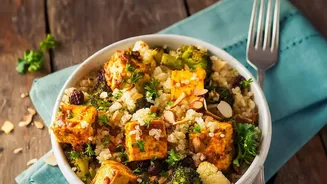
Nuts and seeds are tiny nutritional giants, packed with protein, healthy fats, and fibre. Instead of relying solely on cream for richness, consider making a paste from soaked cashews or almonds to thicken your gravies. This technique, common in restaurant-style dishes like Tawa Paneer Masala, adds a luxurious creaminess along with a substantial protein boost. You can also use crushed nuts like pistachios or almonds as a crust for pan-fried tofu or paneer. For a finishing touch, sprinkle toasted pumpkin seeds, sunflower seeds, or sesame seeds over your final dish. This not only adds a delightful crunch but also an extra layer of protein and essential minerals.
Leverage High-Protein Vegetables and Dairy
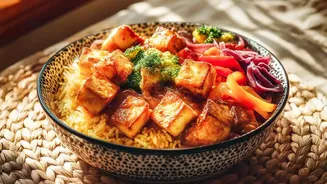
Vegetables can also contribute to your protein goals. Green peas, spinach, and broccoli are all great additions to paneer and tofu dishes. A classic Palak Paneer, for instance, combines the protein from paneer with the iron and nutrients from spinach. Adding a handful of green peas to a tofu stir-fry or paneer bhurji is another simple trick. Furthermore, don't underestimate the power of dairy in your marinades. Using Greek yogurt or hung curd to marinate paneer or tofu before cooking not only tenderises them but also adds a significant amount of protein. This is a key step in recipes like Paneer Tikka, making the dish flavourful and more nutritious.
Smart Swaps and Cooking Grains
The protein content of your meal isn't just about the curry itself; it's also about what you serve it with. Instead of plain white rice, consider pairing your dish with a high-protein grain like quinoa. A Quinoa and Rajma Curry, for example, is a complete protein powerhouse. Millets like jowar or bajra can be used to make rotis that offer more fibre and protein than traditional wheat flour. When it comes to cooking the protein itself, simple techniques matter. Pan-searing or grilling your paneer and tofu instead of deep-frying keeps the fat content down while preserving the protein. For a quick and healthy preparation, you can steam marinated paneer cubes or toss them into a stir-fry with plenty of vegetables.