



The New Urban Blueprint
As property costs rise and cities become denser, the dream of a sprawling home is being replaced by the reality of a compact 2BHK or a studio apartment. This shift, driven by rapid urbanisation, is compelling a generation of Indian homeowners to rethink
their relationship with space. For years, the approach was to simply fit things in, but today, the focus has shifted from merely coping with less space to optimising it with intent and style. This isn't about compromise; it's about curation. Homeowners are no longer just asking how to store their belongings, but how to create a home that is functional, comfortable, and a true reflection of their personality, no matter the size.
The Rise of Multi-Functional Marvels
The hero of the small apartment is undoubtedly multi-functional furniture. Once seen as a quirky compromise, these smart pieces are now mainstream and stylish. Think beyond the classic sofa-cum-bed. Today’s market offers everything from extendable dining tables that fold away neatly, to coffee tables that lift to become workstations, and ottomans that hide away winter blankets. Beds with hydraulic lifts reveal vast storage compartments underneath, perfect for stashing luggage and seasonal items, effectively clearing out clutter from wardrobes. This trend is a direct response to modern Indian lifestyles, where a living room might need to serve as a home office during the day, a kids' play area in the afternoon, and a space for hosting guests in the evening.
An Illusion of Space
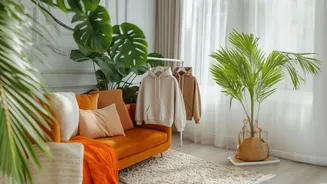
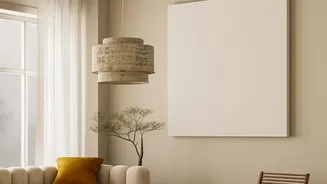
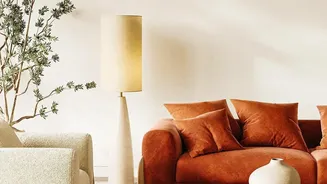
Designers and homeowners are becoming masters of perception, using colour, light, and reflection to make rooms feel larger than they are. The classic choice is a palette of light, neutral colours. Soft whites, warm beiges, and pale greys are excellent at reflecting natural light, making walls appear to recede and creating an airy, open feel. This doesn’t mean colour is banished; bold hues are used strategically on a single accent wall to add depth without overwhelming the space. Mirrors are another key tool, placed opposite windows to bounce light around the room and create an illusion of spaciousness. Even the finish of the paint matters, with glossy or satin finishes helping to amplify light more effectively than matte surfaces.
Thinking Vertically: The Smart Storage Playbook
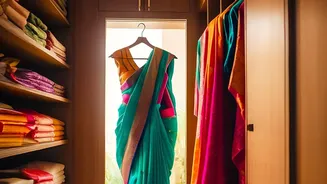
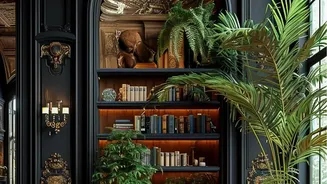
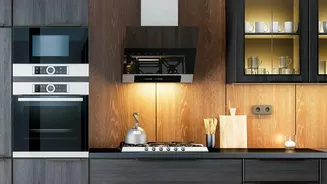
When floor space is a premium, the only way to go is up. Vertical storage is a cornerstone of small-space design, reclaiming massively underused wall space. This includes floor-to-ceiling wardrobes that draw the eye upward and maximise storage capacity, and slim, tall bookshelves that hold a lot while occupying a minimal footprint. Floating shelves are particularly effective as they provide surfaces for books and decor without adding visual bulk. Designers are also getting creative with 'dead zones'—the often-ignored spaces above doorways and windows—by installing shelves for items that aren't needed daily. The goal is to integrate storage seamlessly into the design, so it feels like part of the architecture rather than a bulky afterthought.
Personalised, Not Just Practical
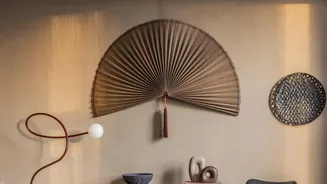
Perhaps the most exciting aspect of this trend is that these efficient spaces are brimming with personality. Minimalism here is not cold or sterile; it's a warm, earthy version rooted in Indian aesthetics. Homeowners are blending clean lines with curated cultural touches—a single piece of traditional carved furniture, a vibrant handwoven rug, or brass accents that add warmth. The idea is to avoid clutter by choosing a few high-impact decorative pieces rather than many small ones. This curated approach ensures that even the smallest apartment feels like a unique and inviting home, proving that thoughtful design, not size, is the true measure of modern luxury.