





The 14-Day Deep Freeze
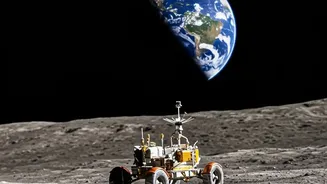
Imagine a night that lasts for 14 Earth days, where temperatures drop to a bone-chilling -173°C, and in some permanently shadowed craters, as low as -250°C. This is the reality of the lunar night. Without an atmosphere to hold onto heat, the lunar surface
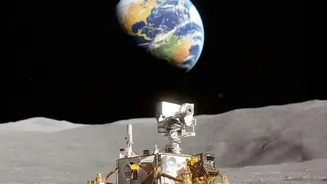
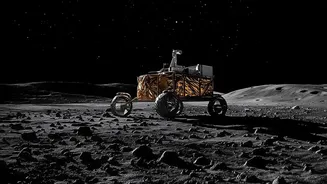
becomes one of the most hostile environments in the solar system for any piece of technology. For a solar-powered rover, this period means no sunlight for energy while facing an extreme cold that can crack circuit boards, drain batteries, and seize mechanical joints. India's successful Chandrayaan-3 lander and rover, for instance, were designed to operate for a single lunar day before succumbing to the inevitable freeze. For humanity to establish a long-term presence on the Moon, whether for science or future settlement, our robotic explorers must first learn to survive the night.
The Old Solution: Nuclear Warmth
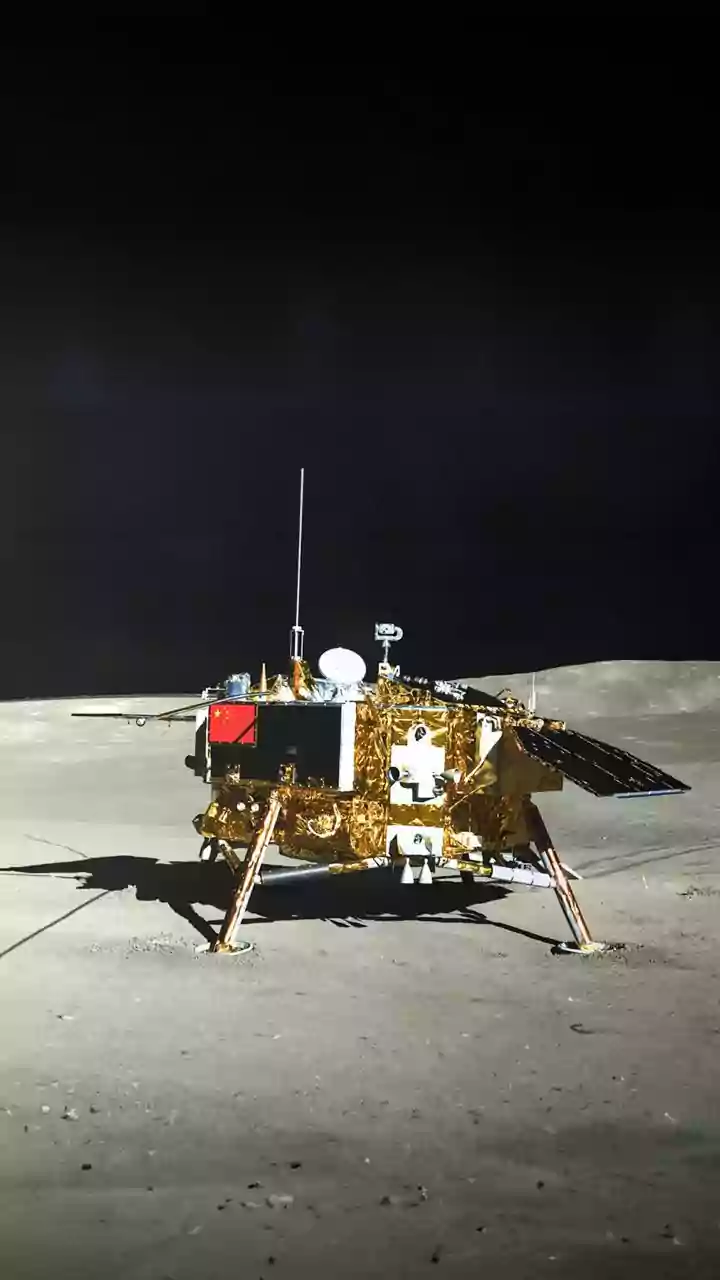
For decades, the primary solution for keeping deep space probes and some lunar hardware warm has been the Radioisotope Heater Unit, or RHU. These devices are essentially small, simple heaters powered by the natural decay of a radioactive material, typically plutonium-238. They provide a steady, reliable source of heat for years without needing sunlight or electricity. China’s Chang'e landers have used RHUs to successfully operate for years on the lunar surface, a feat unmatched by most other missions. However, RHUs come with significant drawbacks. The plutonium they rely on is incredibly scarce, expensive, and subject to strict safety and political regulations, limiting their widespread use, especially for smaller, commercial missions. A new approach has been long overdue.
A New Generation of Thermal Tech
Engineers are now developing a suite of clever, non-nuclear technologies to tackle the problem. The core strategy involves creating an insulated "warm box" for the rover's most sensitive electronics. During the blisteringly hot lunar day (up to 127°C), advanced cooling systems like Loop Heat Pipes (LHPs) act like a refrigerator, moving heat from the electronics to external radiators. The real innovation lies in what happens at night. New thermal switches and valves can effectively "turn off" these cooling pipes, preventing heat from escaping the warm box and insulating the components from the external freeze. One promising design from Japan's Nagoya University and JAXA uses a low-power pump to stop the flow of refrigerant fluid, essentially creating a thermal roadblock with minimal energy use. These systems are designed to be lightweight and passive, a critical consideration when every kilogram launched to the Moon is expensive.
Smarter Heaters and Better Batteries
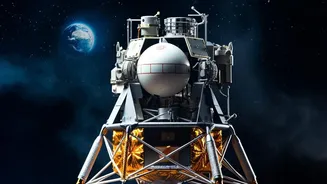
While passive insulation is key, some active heating will still be needed. This is where both new and old ideas are being refined. ISRO, in partnership with India's Department of Atomic Energy, is developing artificial heaters for future landers like Chandrayaan-4, aiming to extend mission life from 14 days to potentially 200 days or more. Simultaneously, companies like Zeno Power are creating next-generation RHUs that use more abundant and potentially safer isotopes like americium-241. These new units could provide a middle ground, offering the reliability of nuclear heat without the supply constraints of plutonium. This is complemented by research into better batteries that can operate more efficiently at low temperatures and even use their own chemical reactions to generate supplemental warmth.
Unlocking the Entire Moon
Surviving the lunar night isn't just a technical achievement; it's a mission multiplier. It transforms lunar exploration from a series of short sprints into a long-term marathon. Rovers that can last for months or years can cover far more ground, conduct long-term scientific studies, and support the infrastructure needed for human bases under NASA's Artemis program. For India, developing this capability is a stated goal for missions beyond Chandrayaan-3, including the ambitious Chandrayaan-4 sample return mission and the collaborative LUPEX rover with Japan. By conquering the cold, space agencies and commercial companies can reduce mission costs, increase scientific return, and finally unlock the full potential of the Moon's most mysterious and resource-rich regions, like the permanently shadowed craters at the South Pole.