







Not All Sugars Are Created Equal
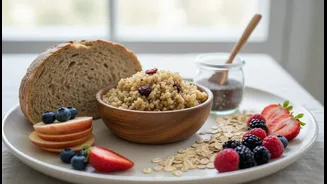
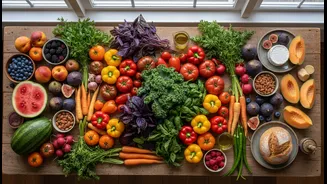
The first step is to look beyond the simple “sugar is bad” narrative. It's more useful to distinguish between natural sugars and added sugars. Natural sugars are found in whole foods like fruits, vegetables, and milk. These foods also contain fibre, vitamins,
and minerals. The presence of fibre is crucial because it slows down the absorption of sugar into your bloodstream, providing a more stable and sustained release of energy. This prevents the dramatic 'sugar rush' and subsequent 'crash' that leaves you feeling tired and irritable. Added sugars, on the other hand, are sugars and syrups put in foods during processing or preparation. Think of the sugar in fizzy drinks, biscuits, cakes, and even seemingly healthy items like flavoured yoghurts and breakfast cereals. These provide calories but little to no nutritional benefit and are absorbed rapidly by the body, leading to blood sugar spikes.
Jaggery and Honey: A Healthier Choice?
In many Indian households, jaggery (gur) and honey are seen as healthier alternatives to refined white sugar. It's true that because they are less processed, they retain some trace minerals like iron, potassium, and magnesium. However, it's important to be realistic. While jaggery may be absorbed slightly more slowly than white sugar, your body ultimately metabolises them in a very similar way. They are still simple sugars and contribute to your daily calorie intake just like table sugar does. The amount of micronutrients you get from a teaspoon of jaggery is minimal compared to what you could get from nutrient-dense foods. The key takeaway is moderation. Swapping white sugar for jaggery might offer a tiny nutritional bonus, but it should still be consumed sparingly.
Are You Truly Hungry? Meet Your Hunger Hormones
Understanding hunger is about listening to your body, not just your cravings. Two key hormones regulate our appetite: ghrelin and leptin. Ghrelin is often called the 'go' or 'hunger' hormone. It's produced in the stomach, and its levels rise when your stomach is empty, sending a signal to your brain that it's time to eat. Leptin is the 'stop' hormone, produced by fat cells. It signals to your brain that you have enough energy stored and can stop eating. Ideally, these two hormones work in balance to manage your energy needs. However, a diet high in processed foods and added sugars can interfere with these signals, sometimes leading to a condition called leptin resistance, where your brain doesn't properly receive the 'fullness' signal.
Decoding Physical vs. Emotional Hunger
Not every urge to eat is driven by physical need. It's crucial to learn the difference between physical and emotional hunger. Physical hunger builds up gradually. You might notice a rumbling stomach, a dip in energy, or difficulty concentrating. When you're physically hungry, a variety of foods seem appealing. Emotional hunger, in contrast, often comes on suddenly. It's usually a craving for a specific comfort food—like something sweet, salty, or fried. This type of hunger is often triggered by feelings like stress, boredom, or sadness, rather than an empty stomach. A simple test is to ask yourself: “Would I eat an apple or a bowl of dal right now?” If the answer is no and only that packet of chips will do, it's likely your emotions, not your body, that are asking for food.
Eating for Satiety: The Power of Protein and Fibre
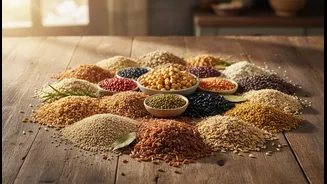
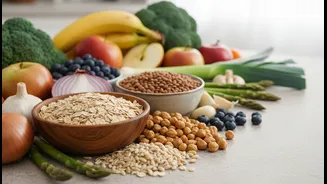
To better manage hunger signals and reduce cravings, focus on satiety—the feeling of fullness and satisfaction after a meal. Foods high in protein and fibre are your best allies here. Both take longer to digest, helping you feel full for longer and promoting a slower, more stable release of energy. A traditional Indian thali is often a masterclass in satiety. A meal of dal (protein and fibre), sabzi (fibre and nutrients), and whole-grain roti or brown rice provides a balanced mix that supports stable blood sugar and keeps hunger at bay for hours. Including foods like pulses, millets (jowar, bajra, ragi), paneer, curd, and plenty of vegetables in your diet enhances satiety naturally, making it easier to manage your appetite without feeling deprived.