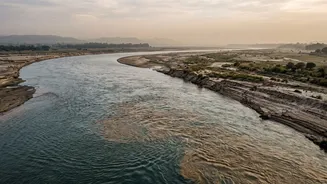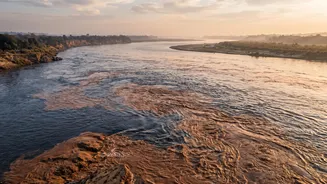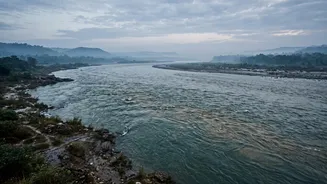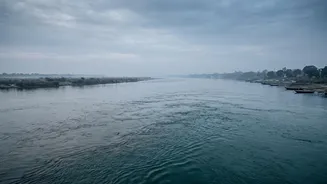






A Diplomatic Pillar Nears Its Expiry
Signed in December 1996 by then-Prime Ministers H.D. Deve Gowda of India and Sheikh Hasina of Bangladesh, the Ganges Water Treaty was a diplomatic achievement. It resolved a decades-long dispute over water rights that began after India commissioned the Farakka
Barrage in 1975, just upstream from the border. The treaty established a 30-year framework for sharing the river's flow during the critical dry season, from January 1 to May 31 each year. The formula dictates how much water each country receives based on the volume available at Farakka, measured in ten-day periods. For thirty years, this agreement has been a cornerstone of bilateral relations, but it was not designed to be permanent and includes a clause for renewal by mutual consent. With that deadline now just weeks away, both nations are facing a changed world and a changed river.
New Century, New Challenges
Renewing the pact is no longer a simple matter of extending the old terms. A host of 21st-century pressures are complicating the negotiations. Climate change is a primary concern, with shifting rainfall patterns, melting Himalayan glaciers, and increased hydrological variability making historical water flow data less reliable. The river system that the 1996 treaty was based on is fundamentally different today, with more unpredictable dry seasons and more intense monsoon floods. Both countries have also seen significant population growth and increased demand for water for agriculture, industry, and drinking. Within India, states like Bihar and West Bengal have become more vocal about their own water needs, with Bihar's government citing siltation from the Farakka Barrage as a cause of increased flooding and urging the Centre to renegotiate the treaty's terms.
The View from Bangladesh
For Bangladesh, a lower-riparian nation, a predictable flow from the Ganges is a matter of survival. The river basin supports the livelihoods of over 50 million people in the country. Reduced dry-season flow has severe consequences, increasing salinity in the Sundarbans, damaging agriculture, and threatening fisheries. Dhaka has expressed its hope for a renewed treaty but has also indicated a desire for updated terms. The current government, led by Prime Minister Tarique Rahman, is under domestic pressure to secure a better deal. Some voices in Bangladesh have called for the reintroduction of a 'minimum guarantee' clause that was present in a 1977 accord, which they argue better protects Bangladesh's interests during periods of very low flow. The government has formed a committee to lead negotiations, stating that its position will be based on the country's legitimate demands and future water needs.
India's Diplomatic Balancing Act
For New Delhi, the renewal is a complex geopolitical test. India's Ministry of External Affairs has stated that a 'structured mechanism' through the Joint Rivers Commission is in place to handle discussions. However, formal negotiations have been slow to begin. India must balance its commitments to a key neighbour under its 'Neighbourhood First' policy with growing domestic water demands. The political landscape has also shifted. The change in government in Bangladesh in 2024 has altered the diplomatic environment, and some reports suggest India is unlikely to agree to an automatic renewal without high-level political engagement, including a visit from the Bangladeshi Prime Minister. The unresolved issue of a water-sharing treaty for the Teesta river, another of the 54 rivers India and Bangladesh share, also looms in the background, often complicating broader water negotiations.