






The Rise of the One-Foot Farm
Urban gardening is booming across India, driven by a desire for fresher, pesticide-free food and a need to reconnect with nature amidst the concrete. While balconies and terraces have become common canvases for home gardens, the windowsill is emerging
as the new frontier for those with truly limited space. This micro-gardening approach treats every sunlit ledge as a potential plot of land. It’s a response to necessity, proving that you don’t need a sprawling backyard to grow your own food or enjoy the mental wellness benefits of tending to plants. A single sunny windowsill can become a miniature farm for herbs, greens, or flowers, bringing life, flavour, and beauty right into your kitchen.
Choosing Your Windowsill Companions
The key to a successful windowsill garden is choosing the right plants. For Indian homes, herbs are the perfect starting point. A few pots of tulsi, coriander, mint, or curry leaves can thrive in a spot that gets 4-6 hours of sunlight and supply your kitchen with fresh flavours daily. These herbs are used frequently in Indian cooking and are easy to maintain in small containers. Beyond herbs, microgreens like fenugreek or radish are fantastic options, ready to harvest in as little as one to two weeks. If you have a particularly sunny spot, you can even try your hand at small vegetables like green chillies or cherry tomatoes. The goal is to pick plants that are in scale with the small space and offer a rewarding harvest.
The Art of the Right Container
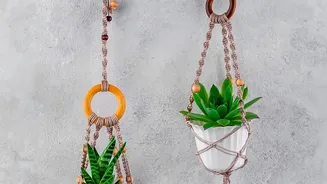
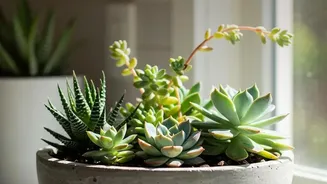
Your choice of container is both a practical and an aesthetic decision. While standard terracotta or plastic pots with drainage holes work perfectly well, the limited space of a windowsill invites creativity. Think beyond the conventional: colourful ceramic pots, repurposed mason jars, vintage tins, or self-watering planters can add personality and style. The container becomes part of the decor, an expression of your personal taste. Vertical planters that hang or stack can multiply your growing area, allowing you to cultivate more in the same footprint. Whatever you choose, ensure it has proper drainage to keep plant roots healthy and prevent waterlogging, which is a common issue in container gardening.
Sunlight, Water, and Care Essentials
Caring for a windowsill garden is simple, but requires consistency. Most edible plants, especially herbs, need a good amount of light—a south or west-facing window is often ideal. Water your plants when the top inch of soil feels dry to the touch. Because the soil volume in pots is small, nutrients can be depleted quickly. To keep your plants lush and productive, it's a good idea to feed them with a balanced liquid fertiliser every couple of weeks, especially during their growing season. Regularly trimming your herbs not only gives you ingredients for your meals but also encourages the plants to grow bushier and fuller.
The Big Lesson in Small Design
Ultimately, the windowsill gardening trend teaches a profound design lesson: constraints breed creativity. It forces us to see potential in overlooked spaces and to make deliberate choices about what we grow and how we display it. This tiny garden is not just a food source; it's a living design element. The arrangement of pots, the mix of plant textures and colours, and the way the greenery frames your view all contribute to your home’s atmosphere. It enhances the indoor-outdoor connection, making a room feel larger and more alive. Every detail is on show, from the pot to the plant, pushing us to be more thoughtful and intentional. This small-scale effort demonstrates that a huge impact on our well-being and home aesthetic doesn't require a huge amount of space.