





Manali to Atal Tunnel and Lahaul
The opening of the Atal Tunnel in 2020 revolutionised winter travel in Himachal. This 9.02 km engineering marvel provides all-weather connectivity between the Kullu Valley and the Lahaul Valley, which was previously cut off for nearly six months a year.
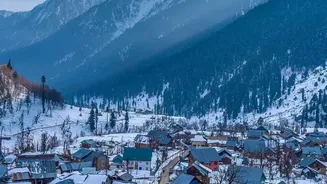
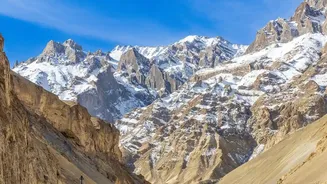
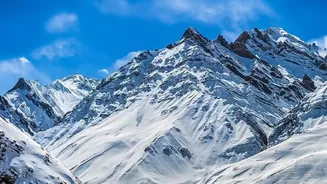
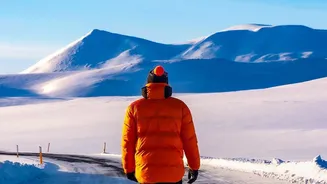
For drivers, this means you can leave the green landscapes of Manali and emerge into the stark, snow-covered, high-altitude desert of Lahaul in under an hour. The drive from Manali through the tunnel's South Portal is scenic, but the real spectacle begins when you exit the North Portal near Sissu. Here, the Chandra River carves its way through a valley draped in a thick blanket of white, offering breathtaking vistas. While the tunnel itself is an all-weather route, the approach roads can sometimes be restricted due to heavy snowfall or icy conditions, so checking the daily status is essential. A 4x4 vehicle is highly recommended for exploring Lahaul in winter.
The Classic Rohtang Pass
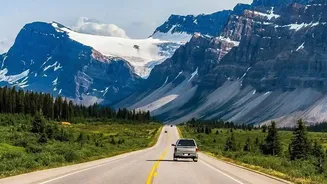
Before the Atal Tunnel, Rohtang Pass was the only gateway to Lahaul and Spiti from Manali, and it remains one of the most legendary drives in India. Situated at an altitude of 3,978 metres, the pass is famed for its towering walls of snow, sometimes several feet high, that line the road after it opens for the season. The pass is typically open to tourists from May to October or November, depending on weather conditions. For the best snow-wall experience, plan your drive in May or June, right after the Border Roads Organisation (BRO) clears the winter snow. The drive is challenging, with sharp hairpin bends and steep gradients, and requires a permit that can be booked online. Due to environmental regulations, the number of vehicles allowed each day is capped. The road is closed to traffic on Tuesdays for maintenance.
Shimla to Kufri and Narkanda
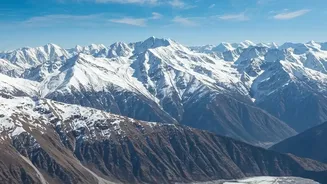
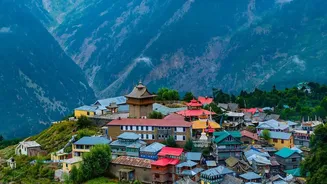
For a more accessible but equally enchanting snow drive, the route from Shimla to Narkanda on National Highway 5 is a perfect choice. This stretch, part of the historic Hindustan-Tibet road, takes you through popular spots like Kufri and Fagu. During peak winter, from late December to February, this entire corridor often receives heavy snowfall, transforming the landscape. Kufri, just 16 km from Shimla, is a major draw for tourists seeking snow. Continuing another 45 km to Narkanda, the views become even more dramatic, with dense deodar forests and apple orchards blanketed in white. The road to Hatu Peak in Narkanda, sitting at 3,400 metres, offers panoramic views of the Greater Himalayan range but is often inaccessible to vehicles after heavy snow, turning it into a beautiful hiking trail. While the main highway is usually cleared quickly, the Kufri stretch can be slippery, so cautious driving is advised.
The Adventurous Jalori Pass
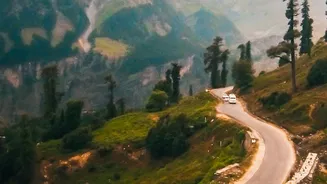
Connecting the Kullu Valley with the Shimla region, Jalori Pass, at an elevation of 3,120 metres, is a more offbeat but rewarding drive. It's one of the first high passes to receive snow each season. The pass itself is typically closed to vehicular traffic from December to March due to heavy snowfall. However, the drive up to the closure point, usually near Shoja, is incredibly scenic. The road winds through dense pine and oak forests, which look magical when dusted with the first snows of winter. For the adventurous, a winter trek from the closure point to the pass or the nearby Serolsar Lake is a popular activity, but should only be attempted with a guide and proper gear. The best time to experience snow on the drive without the pass being completely inaccessible is late November or early April, right at the edge of the winter season, but always check local conditions before heading out.
The Remote Sangla to Chitkul Road
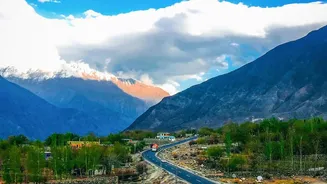
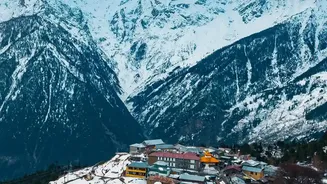
Deep in the Kinnaur district lies the Baspa Valley, home to what is often called the last village on the old Indo-Tibetan trade route: Chitkul. The drive from Sangla to Chitkul is breathtaking, following the Baspa River through one of Himachal's most beautiful valleys. In winter, this beauty becomes stark and dramatic. However, this road is also one of the most challenging. The stretch from Sangla to Chitkul is prone to closure from mid-December to mid-March due to heavy snow. Even reaching Sangla can be difficult, as the road from Karcham can shut down for days after a heavy spell. For those who manage to drive this route in late November or early April, the rewards are immense: a valley cloaked in white, few tourists, and a profound sense of tranquillity. Driving here requires a reliable 4x4 vehicle, and hiring a local driver with experience of the terrain is highly recommended.