








Remember the Booking Battle?
If you have ever tried to book a train ticket online, you know the drill. The frantic race during the Tatkal window, the website slowing to a crawl, the dreaded timeouts, and the endless loop of CAPTCHA codes that made you question your own humanity.
For years, the user experience on the IRCTC platform felt like an obstacle course. Common complaints included a cluttered interface, confusing navigation, and the tedious process of checking seat availability one class at a time. The system often buckled under the immense pressure of concurrent users, turning a simple task into a stressful ordeal. This shared experience became a digital rite of passage for travellers across the nation, one that most were eager to leave behind.
A Faster, More Powerful Engine
The centerpiece of the new IRCTC experience is a massive upgrade to its core infrastructure. The platform’s capacity has been dramatically increased to handle the immense traffic it sees daily. The new system is built to process over 1.5 lakh ticket bookings every minute, a nearly five-fold increase from the previous capacity of about 32,000 bookings per minute. Similarly, the system can now handle over 40 lakh enquiries per minute, up from just 4 lakh previously. In simple terms, this means the website is far less likely to crash or slow down, even during peak hours like the morning Tatkal rush. For the average passenger, this translates to a faster, more stable, and significantly less frustrating booking process from start to finish.
Putting Passengers in Control
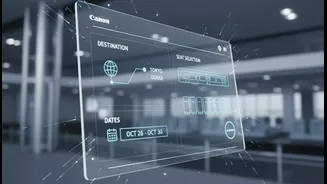
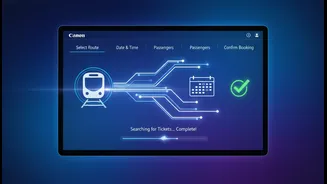
The redesign introduces several new features that give passengers more control and flexibility. One of the most celebrated changes is the unified seat availability view. You no longer need to toggle between Sleeper, AC 3 Tier, and AC 2 Tier to compare availability; all classes are now displayed on a single, easy-to-read screen. Taking a cue from airline booking portals, a new fare calendar has also been introduced, allowing travellers with flexible dates to easily spot the cheapest days to travel. Furthermore, passengers will now have the ability to state their preferred seat or berth choice during the booking process, moving away from the old system of random allocation.
A Cleaner and Quieter Journey
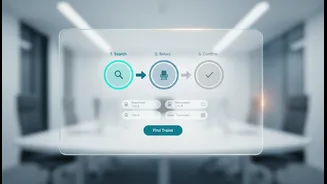
One of the most audible cheers for this redesign will likely be for what has been removed. The new interface is significantly cleaner, doing away with the unnecessary pop-ups, flashing banners, and repeated CAPTCHA verifications that interrupted the booking flow. The goal is to provide a seamless path from searching for a train to confirming a payment. Behind the scenes, Artificial Intelligence is also being deployed to fight fraud. The system can now intelligently detect suspicious bot-like activity, such as unnaturally fast form filling during Tatkal bookings, helping ensure that genuine passengers have a fairer chance at securing a ticket.
An Experience for Everyone
Beyond speed and convenience, the new platform is designed to be more inclusive. The website will now support multiple Indian languages, making it accessible to a much wider audience beyond just English and Hindi speakers. This is a crucial step in making digital services truly national. In another significant move, the process for booking tickets with concessions has been streamlined. Special booking services for different groups, including Divyangjan (persons with disabilities), students, and patients, which previously involved separate processes, are now being integrated into the main platform for a more unified experience.