






The Power and Pitfalls of a Label
Food labels are important tools for making informed choices. They can help you compare products, check for allergens, and monitor specific nutrients like sodium or sugar, which is crucial for managing health conditions like hypertension or diabetes. Studies
show that clear front-of-package labelling can effectively guide consumers toward healthier options and even encourage manufacturers to reformulate their products to be healthier. However, labels aren't perfect. The nutritional information is based on average values, which can vary, and rounding rules can sometimes make small amounts of an ingredient appear as zero. Furthermore, marketing claims on the front of a package—like "low-fat" or "multigrain"—can create a misleading "health halo," making a product seem healthier than it is. A "low-fat" biscuit might be loaded with sugar to compensate for taste, a trap that single-metric analysis often misses.
Zooming Out: The Wisdom of the 'Overall Plate'
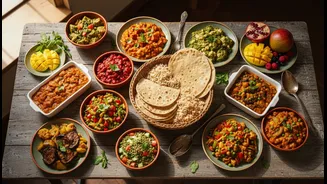
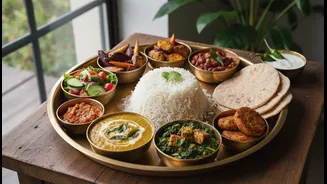
This is where the concept of the 'overall plate' becomes so powerful. Instead of fixating on the micro-details of a single packaged food, this approach encourages a holistic view of your meals. It's about the combination of foods you eat over a day or week, which forms your dietary pattern. A healthy diet isn’t built on one “superfood” or ruined by a single indulgence. It is the sum of your choices. Traditional Indian food wisdom has long emphasized this holistic view, focusing on nourishment, mindful eating, and balance with whole grains, pulses, and seasonal foods rather than just calorie counting. The goal is to build a foundation of nutrient-dense, whole foods that work together to support your health.
How to Build a Better Plate
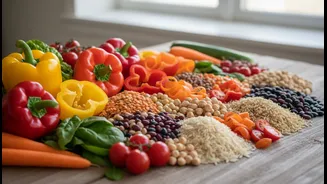
Building a balanced plate is simpler than you might think and doesn't require complicated recipes. A widely recommended guide is the 'plate method'. Visualize your plate and fill half of it with vegetables and fruits. These are packed with fibre, vitamins, and minerals. Dedicate one-quarter of your plate to a lean protein source. This could be dal, paneer, chole, fish, or chicken, which helps you feel full and supports muscle health. The final quarter should be for whole grains or starchy vegetables, like brown rice, whole-wheat roti, or sweet potato, which provide sustained energy. Don't forget to include a small amount of healthy fats from sources like nuts, seeds, or ghee, which are vital for brain and hormone health. This approach ensures a wide range of nutrients at every meal.
Using Labels as a Smart Tool
So, how do we reconcile the two? The key is to use food labels as a tool, not a strict rulebook. They are most useful for making quick comparisons between similar products. For instance, when choosing between two brands of bread or yoghurt, a quick glance at the sugar, sodium, and fibre content can help you pick the better option. They are also essential for anyone with specific dietary restrictions or allergies. But for day-to-day eating, your primary focus should be on building that balanced plate with minimally processed foods. A recent survey showed that over 60% of Indian consumers want more transparent and easier-to-understand labels, showing a clear desire to make informed choices. Use labels to avoid products with excessive added sugars, sodium, or unhealthy trans fats, but don't let them cause you to overlook the simple goodness of whole foods that may not even have a label.