

The Enchanting Sangla Valley
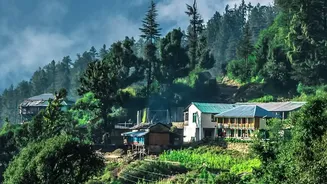
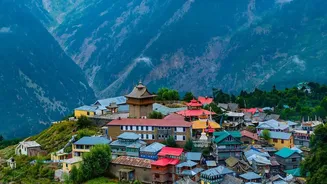
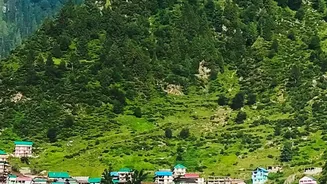
Often called Baspa Valley, Sangla is a picturesque expanse carved by the Baspa River. Situated at an altitude of about 8,900 feet, the valley is a breathtaking canvas of dense forests, apple orchards, and charming villages. Unlike many crowded hill stations,
Sangla offers a tranquil retreat where the rhythm of life is dictated by the seasons. The valley serves as a perfect base for exploring the surrounding beauty, from lush meadows to traditional Kinnauri architecture. Its name in Tibetan means 'pass of light', a fitting description for a valley that receives generous sunlight, making its landscapes vibrant and inviting.
Kamru Fort: A Glimpse into History
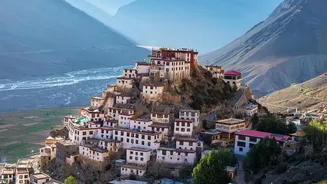
Standing sentinel over the Sangla Valley, the historic Kamru Fort is a must-visit. This ancient wooden tower-fort is reached by a steep but rewarding walk through Kamru village. The fort complex houses the revered Kamakshi Devi Temple, a significant spiritual site for locals. Visitors are traditionally offered a Kinnauri cap before entering the main courtyard, a gesture of respect and welcome. The fort not only provides a lesson in the region's history but also offers stunning panoramic views of the apple orchards and the Baspa River below.
Chitkul: The Last Village
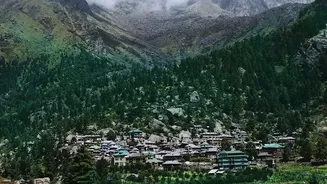
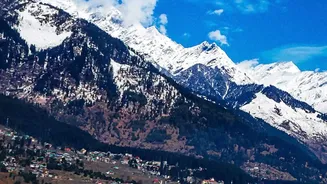
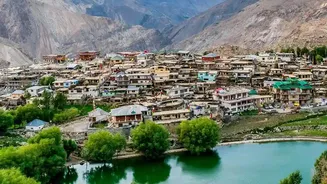
A short drive from Sangla lies Chitkul, famously known as the last inhabited village near the Indo-Tibet border. At an elevation of around 11,320 feet, this village is the epitome of untouched Himalayan beauty. With its traditional wooden houses, tranquil atmosphere, and the Baspa River flowing alongside, Chitkul feels like a world away from everything. It is said to have some of the cleanest air in India, and a walk through the village offers stunning views of snow-capped peaks. A visit here is a humbling experience, connecting you with nature in its purest form.
Kalpa: A Room with a Divine View
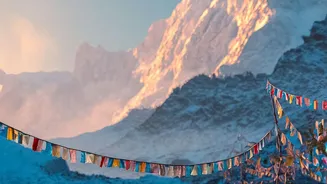
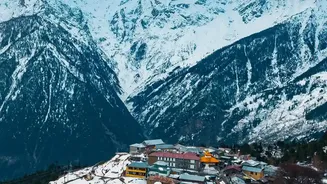
Perched at an altitude of about 9,711 feet, Kalpa is renowned for one thing above all: its jaw-dropping view of the Kinner Kailash range. The sacred peak, with its 79-foot vertical rock formation resembling a 'Shivling', is visible in all its glory, especially during sunrise when the first rays of sun paint the snow-covered peaks in hues of gold and orange. This daily spectacle is the primary reason many travellers consider Kalpa an essential stop. The village itself, with its blend of Hindu temples and Buddhist monasteries, offers a peaceful and spiritual ambience.
Temples, Monasteries, and Apple Orchards
Beyond the views, Kalpa invites exploration of its cultural fabric. The Narayan-Nagini Temple is a beautiful example of traditional Kinnauri wood-and-stone architecture. Nearby, the Hu-Bu-Lan-Kar Monastery offers a quiet space for reflection, showcasing the harmonious blend of Hinduism and Buddhism in the region. A walk through the village is incomplete without strolling through the sprawling apple orchards that define the landscape and the local economy. For a closer look at local life, a short drive to the nearby Roghi village provides insight into the traditional architecture and serene lifestyle of Kinnaur.
Planning Your Himalayan Escape
The journey to Sangla and Kalpa is an adventure in itself, typically undertaken via the Hindustan-Tibet Highway from Shimla. The best time to visit is from April to June for pleasant summer weather or from September to October for clear skies post-monsoon and the apple harvesting season. The monsoon months of July and August are best avoided due to the risk of landslides. While you can drive, hiring a local driver experienced with the treacherous mountain roads is highly recommended. A trip covering both destinations typically requires at least 5 to 7 days to explore comfortably.