




Is the Water Safe to Drink?
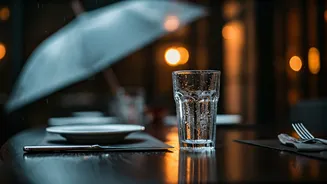
This is the most critical question. The risk of water contamination rises dramatically during the monsoon, as sewage can mix with water sources. This contaminated water can lead to illnesses like typhoid, cholera, and hepatitis A. When eating out, always
ask for sealed bottled water and avoid any drinks with ice, as the ice might be made from unfiltered tap water. Be especially wary of foods that use water directly without cooking, like the 'pani' in pani puri or chutneys. A reputable restaurant should be able to assure you of its water source, preferably one that is filtered or boiled.
How Fresh and Well-Cooked Is the Food?
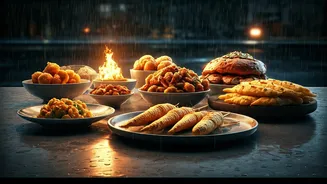
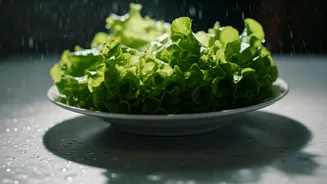
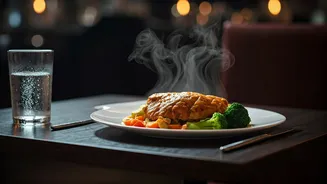
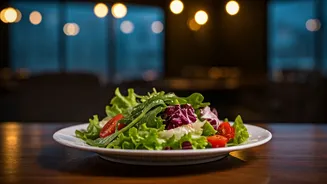
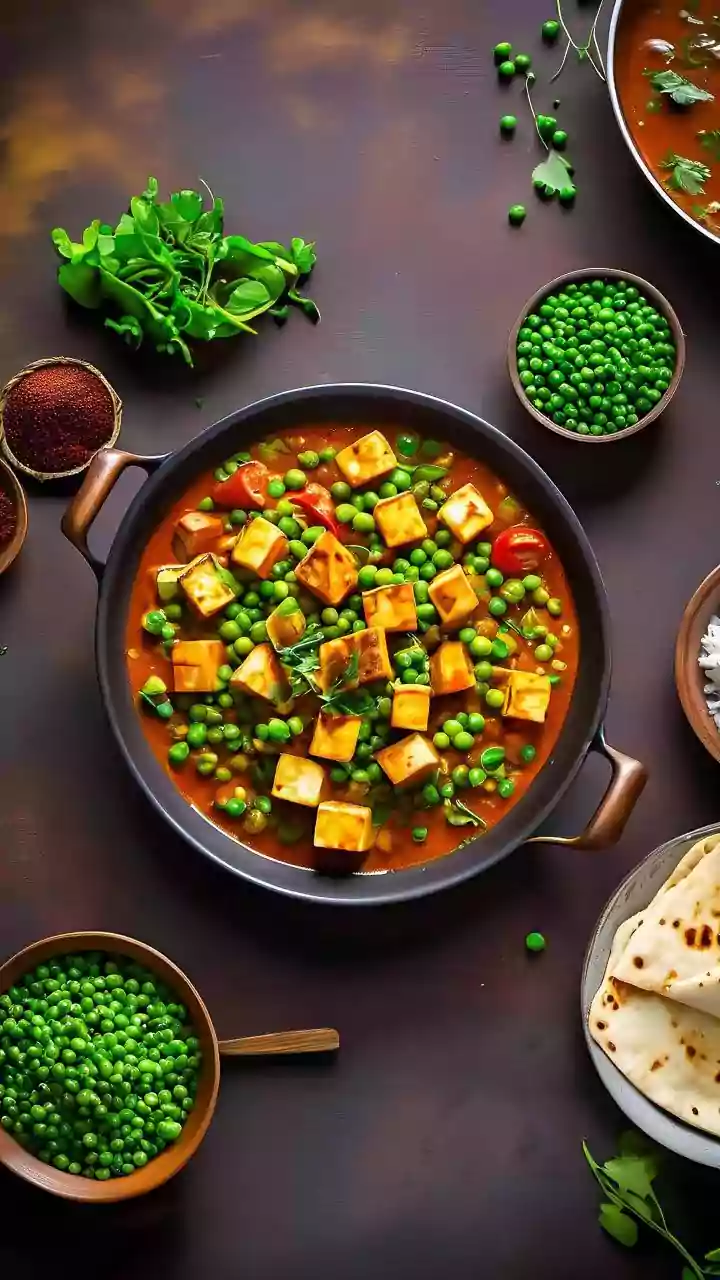
High humidity makes food spoil much faster. Bacteria can multiply rapidly on food left at room temperature. Always opt for dishes that are cooked fresh and served piping hot. The heat helps kill most harmful bacteria and viruses. Avoid raw or semi-cooked foods like salads, pre-cut fruits, and undercooked meat or seafood. Raw vegetables may carry extra mud and germs during this season and might not be washed properly. If you are craving fried snacks, ensure they are made to order and not something that has been sitting out for a long time.
How Are Raw Ingredients and Sauces Handled?
Chutneys, sauces, and raw garnishes are common culprits for monsoon stomach bugs. Often left uncovered, they become breeding grounds for bacteria, especially with flies and fluctuating temperatures. If possible, skip condiments that have been sitting out on tables in open containers. Ask if the chutneys are made fresh and refrigerated. Similarly, be cautious with pre-cut fruits and vegetables, as they are often exposed to the humid air and potential contaminants for extended periods. Choosing dishes that do not rely on raw toppings is a safer bet.
What Is the General Level of Hygiene?
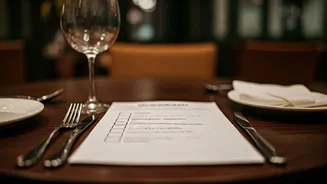
Take a moment to observe the establishment's overall cleanliness. Are the tables, floors, and cutlery clean? Are the food handlers wearing gloves or using tongs, especially when handling ready-to-eat items? The surroundings of street food stalls are often wet and muddy, attracting pests. A clean, well-maintained dining area, free of flies and with covered dustbins, is a good indicator of the vendor's commitment to hygiene. If the place looks untidy, it is best to walk away.
Is the Outdoor Seating Area Safe?
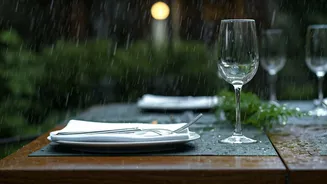
Many restaurants erect temporary shelters for outdoor seating during the monsoon. While enjoying the rain from a covered patio is appealing, check for basic safety. Ensure the structure looks stable and is not leaking heavily. Look out for exposed electrical wiring, which can be a serious hazard in wet conditions. Puddles and wet floors can also create slipping hazards. A well-managed establishment will ensure its outdoor space is not just atmospheric but also structurally sound and safe for patrons.