

When the temperature drops, the temptation is to pile on layers, often leaving style behind in the name of warmth. But looking sharp and staying cosy are not mutually exclusive. The secret lies in understanding proportion.
Embrace the Rule of Thirds
A core principle in art and design,
the 'rule of thirds' is a powerful tool in fashion for creating a visually pleasing silhouette. Instead of dividing your outfit into two equal halves, which can look boxy, aim for a 1/3 to 2/3 ratio. The easiest way to achieve this is by defining your natural waist. High-waisted trousers paired with a tucked-in sweater or a cropped jacket instantly creates this flattering proportion, making your legs appear longer. A belt cinched over a dress or even a bulky sweater serves the same purpose, breaking up your figure at a flattering point and preventing you from looking 'cut in half'.
Balance Your Silhouettes
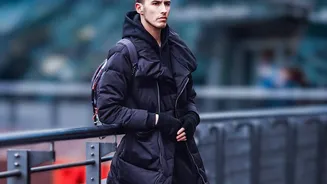
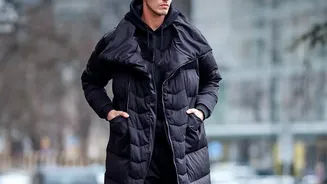
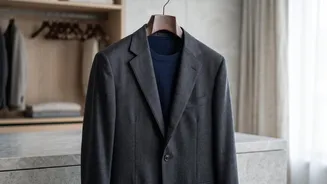
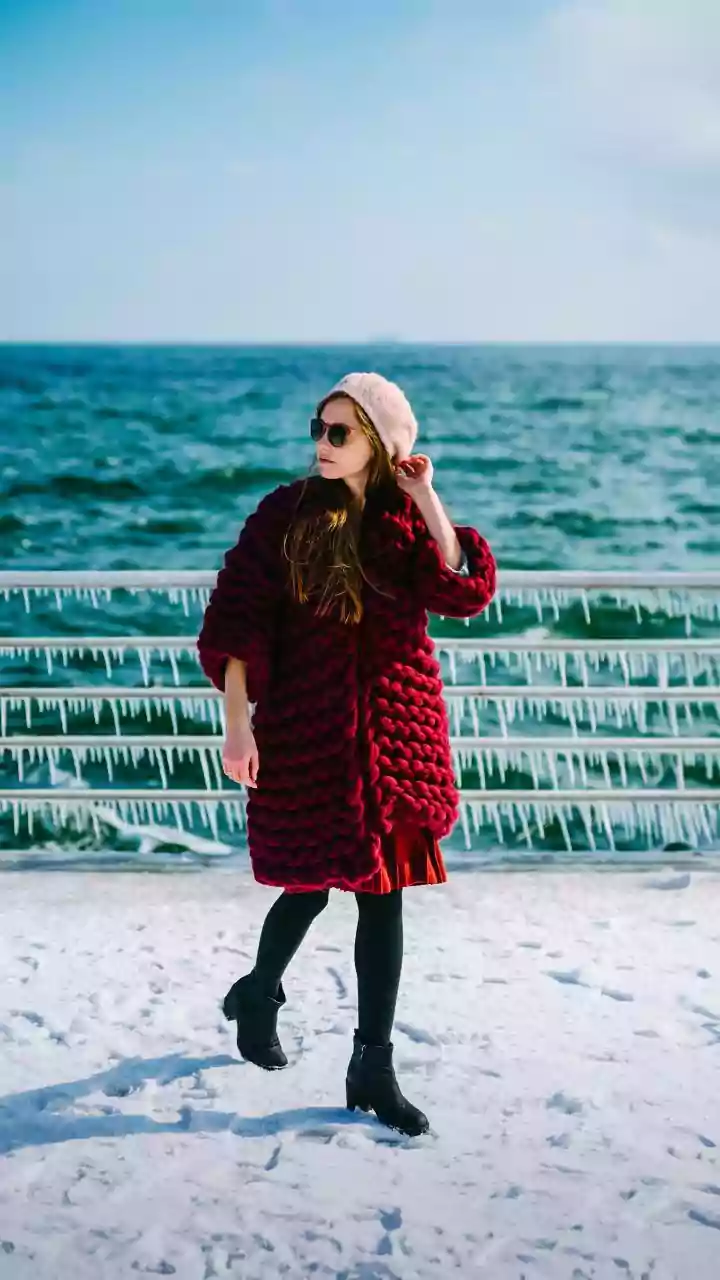
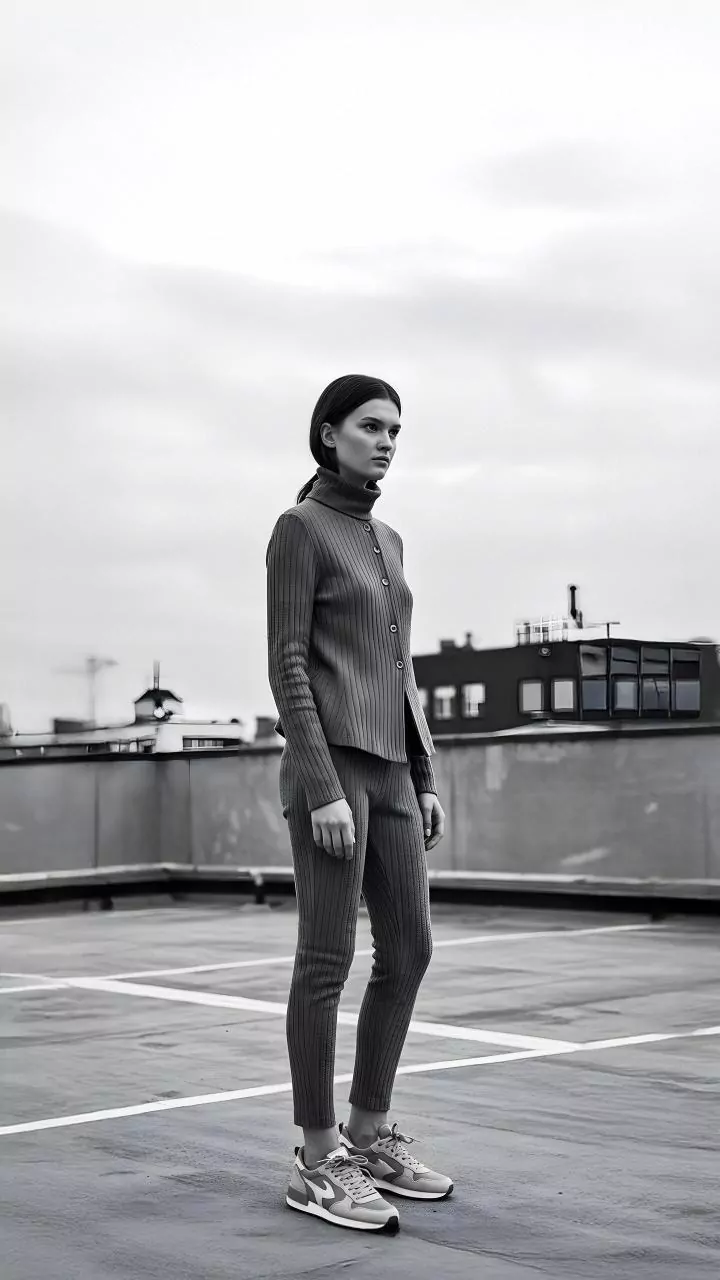
The key to not looking like a walking duvet is to balance voluminous pieces with more streamlined ones. If you're wearing an oversized puffer coat or a chunky, heavy knit sweater, keep the bottom half of your outfit slim and fitted. Think straight-leg jeans, leggings, or tailored trousers. This contrast is crucial; it ensures your shape doesn't get lost under all the fabric. Conversely, if you want to wear wide-leg pants or a fuller skirt, pair it with a fitted top, like a slim turtleneck or a tailored blazer. The rule is simple: allow only one part of your outfit to have significant volume at a time. This creates a deliberate, stylish shape rather than an accidental, bulky one.
Layer Strategically, Not Just Heavily
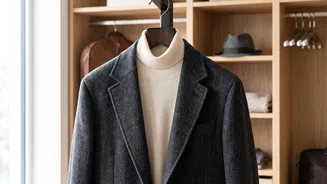
Effective winter layering is an art form that prioritises smart fabric choices over sheer quantity. The goal is to trap heat without adding excessive bulk. Start with thin, lightweight base layers made from materials like merino wool or modern heat-retaining synthetics. These sit close to the skin and provide insulation without puffiness. Your middle layer, such as a cashmere sweater or a fleece jacket, should provide the bulk of the warmth. For the outer layer, a structured coat can complete the look. By using multiple thin layers, you gain the flexibility to adapt to changing temperatures while maintaining a sleeker profile than one or two extremely thick garments would allow.
Mind Your Hemlines and Lengths
The length of your coat, sweater, and even your trousers can dramatically impact your overall proportions. A longline coat that falls below the knee can create a continuous, elongating vertical line, which is incredibly chic and flattering. To enhance this effect, you can wear a monochromatic base layer underneath. Cropped jackets that hit at the natural waist work well to create the 1/3 to 2/3 ratio mentioned earlier. Pay attention to where your layers end in relation to each other. For example, a shorter jacket worn over a slightly longer top can create visual interest. Avoid pairings where multiple layers end at the exact same spot, as this can create a thick, horizontal line that visually widens your frame.
Use Accessories to Define and Refine
Accessories are not just finishing touches in winter; they are functional tools for managing proportion. A well-'placed belt is the most obvious example, instantly creating an hourglass shape over a coat or cardigan. A brightly coloured or patterned scarf can draw the eye upward and add a point of interest, breaking up a monotonous look. Even the choice of footwear matters. Ankle boots that meet the hem of your trousers can create a seamless, long leg line, while taller boots can bridge the gap under a midi dress, providing both warmth and a strong vertical element. These small details help add personality and structure, ensuring your winter outfits look intentional and sharp.