






An Insatiable Thirst for Oil
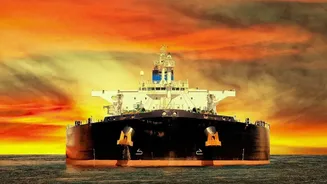
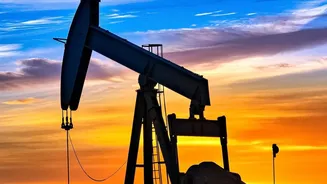
India's economy runs on imported energy. The country depends on overseas suppliers for nearly 90% of its crude oil needs, making it one of the world's largest oil importers. This high dependency means that any fluctuation in global crude prices, whether
due to geopolitical tensions, supply cuts, or changes in demand, is felt almost immediately within India. Domestic production has not kept pace with the country's rapidly growing energy appetite, steadily increasing this reliance over the years. This fundamental vulnerability is the starting point for a chain reaction that travels from international markets directly to Indian households.
From Crude Barrel to Fuel Pump
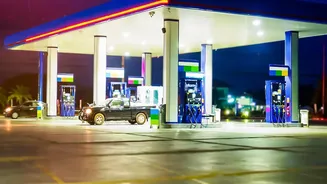
The price of a barrel of crude oil is just the beginning. Once it lands in India, it is refined into petrol and diesel. But the price you pay at the pump includes much more than just the base cost of the fuel. A significant portion of the retail price is made up of central and state taxes. These taxes, which include central excise duties and state-level Value Added Tax (VAT), can constitute around half of the final cost for the consumer. While these taxes are a crucial source of revenue for the government, it also means that even when global oil prices fall, the relief for consumers can be limited unless taxes are also reduced. Daily price revisions by oil marketing companies mean global volatility is quickly reflected at the fuel station.
The Transportation Domino Effect
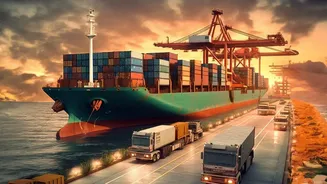
Diesel is the lifeblood of India's logistics network. Trucks that transport everything from fresh produce and milk to factory goods and e-commerce packages run on it. When diesel prices rise, the cost of moving these goods across the country goes up. For the transport industry, fuel can account for a massive chunk of their operating costs—sometimes as much as 65%. This leaves transporters with little choice but to pass on the higher expense to their clients, be it farmers, manufacturers, or retailers. This increase in freight charges is the primary channel through which high fuel prices begin to spread throughout the wider economy.
Why Your Grocery Bill Gets Bigger
The extra cost of transportation inevitably ends up on the price tag of everyday items. The journey of an apple from an orchard in Himachal to a market in Mumbai, or tomatoes from a farm in Maharashtra to a kitchen in Delhi, becomes more expensive. This added cost is passed down the supply chain until it reaches the final consumer. It's not just food; everything that needs to be transported, including fast-moving consumer goods (FMCG), medicines, and industrial components, feels the impact. This is what economists refer to as second-order inflation—it’s not the direct cost of fuel, but the knock-on effect that makes a wide range of goods and services more expensive for everyone.
The Central Bank's Big Headache
When the prices of many goods and services rise simultaneously, it leads to broad-based inflation. This becomes a major concern for the Reserve Bank of India (RBI), whose primary mandate is to maintain price stability. Rising crude prices act like a tax on the economy, reducing the purchasing power of households and squeezing corporate profit margins. A sustained period of high oil prices can push the national inflation rate higher, forcing the RBI to consider raising interest rates. Higher interest rates make borrowing more expensive for both individuals and businesses, which can slow down economic growth. This delicate balancing act between managing inflation and supporting growth is why the RBI watches crude prices so intently.