





Lifting weights might conjure images of bodybuilders, but a growing number of beginners are discovering a more practical reason to embrace resistance: it makes life easier. This isn't about vanity; it's about building functional strength.
Strength for Life, Not Just the Gym
The core idea
gaining traction is 'functional fitness'. This approach uses exercises that mimic movements you perform every day, like squatting, lifting, pushing, and pulling. Think about hauling grocery bags, lifting a child, climbing stairs, or even just getting up from a chair. Traditional strength training often isolates specific muscles, like doing a bicep curl. Functional training, however, teaches multiple muscle groups to work together as an integrated system, improving coordination, balance, and stability in ways that directly translate to your daily routine. The goal isn't just to be strong in the gym; it's to develop strength that serves you everywhere else.
How Resistance Builds Real-World Resilience
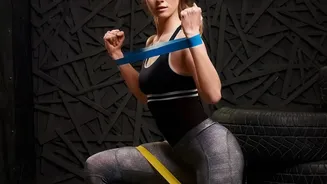
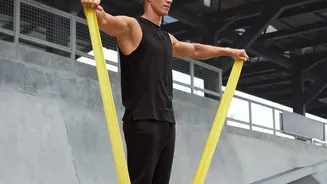
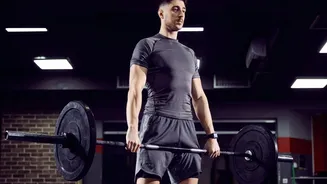
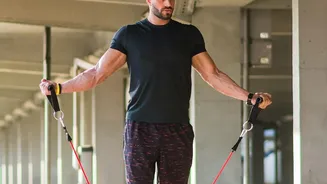
When you perform resistance exercises, your muscles work against an opposing force. This force can come from dumbbells, resistance bands, weight machines, or even your own body weight. This controlled stress causes tiny micro-tears in your muscle fibres, which, during rest, repair and rebuild stronger than before. But it’s more than just muscle growth. This process also improves the connection between your brain and your muscles, enhancing coordination and making movements more efficient. Consistently performing these movements helps prevent injury by strengthening the smaller stabilizing muscles that protect your joints. It also boosts bone density, which reduces the risk of osteoporosis, and improves your posture and balance, which can help prevent falls, especially as you age.
From Exercise Mat to Everyday Tasks
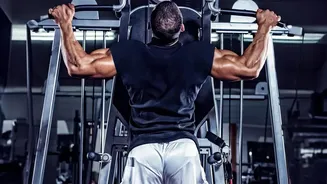
The link between a specific exercise and a daily task is often surprisingly direct. A simple squat, for example, trains the exact motion of sitting down and standing up, or lifting a heavy box from the floor correctly. Rows, which involve pulling a weight toward your torso, build the back and arm strength needed to pull open a heavy door or start a lawnmower. A farmer's carry, which is as simple as walking while holding weights in each hand, directly simulates carrying heavy shopping bags or suitcases. Even a plank, which strengthens your entire core, provides the stability needed to protect your back when you bend over or twist. By practising these patterns, your body becomes better prepared to handle routine physical demands with less effort and a lower risk of strain.
How to Safely Get Started
For a beginner, starting is less intimidating than it seems. Experts recommend starting with exercises that use your own body weight to master the form first. Movements like bodyweight squats, pushups (which can be modified by doing them on your knees), lunges, and planks are excellent foundational exercises. Aim for two to three strength training sessions per week, ensuring you rest each muscle group for at least 48 hours to allow for recovery and growth. The key is consistency and proper technique, not heavy weights. Focus on controlled movements through a full range of motion. As you get stronger, you can gradually increase the challenge by adding more repetitions or incorporating light weights or resistance bands.