








A Small Pest, A Serious Threat
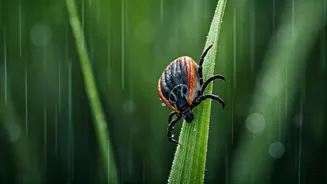
In India, ticks are vectors for several debilitating and sometimes fatal diseases. While many associate ticks with harmless bites, they can transmit pathogens that cause significant illness. Key among these are Kyasanur Forest Disease (KFD), also known
as 'monkey fever', and Crimean-Congo Haemorrhagic Fever (CCHF). KFD, found predominantly in the southern states, can cause high fever, headaches, severe muscle pain, and bleeding. CCHF, reported in states like Gujarat and Rajasthan, is a viral haemorrhagic fever with a high case-fatality rate and no available vaccine. The risk is not just confined to remote forests; changing climates and environments mean encounters with ticks can happen in local parks, gardens, and semi-rural areas, making awareness and prevention critical for everyone.
Know Where to Look
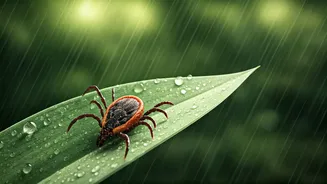
Ticks thrive in grassy, brushy, and wooded areas, patiently waiting for a host to pass by. This includes popular trekking trails, dense forests, agricultural fields, and even your own backyard garden. They are particularly active during warmer and drier seasons. When you return from any outdoor activity—be it hiking in the Western Ghats, farming, or simply walking your dog through a park—you should assume you may have been exposed to ticks. They can also hitch a ride into your home on pets, clothing, and gear, later attaching to a person. Therefore, vigilance is required not just for yourself, but for your entire household, including your furry friends.
The Daily Scan: A Step-by-Step Guide
Performing a thorough tick check should be as routine as brushing your teeth, especially after being outdoors. It only takes a few minutes and is your best line of defence. Use a hand-held or full-length mirror for a complete view. Pay special attention to warm, moist areas where ticks love to hide. Check these key spots on yourself and your children: in and around the hair and ears, under the arms, inside the belly button, around the waist, behind the knees, and between the legs. Run your fingers over the skin to feel for any small bumps, as some ticks can be as small as a poppy seed. Showering within two hours of coming inside can help wash off unattached ticks and provides a good opportunity for a check.
Found a Tick? How to Remove It Safely
If you find a tick attached to your skin, do not panic. The key is to remove it promptly and correctly. Using fine-tipped tweezers, grasp the tick as close to the skin's surface as possible. Pull upward with steady, even pressure. Do not twist or jerk the tick; this can cause the mouthparts to break off and remain in the skin. If this happens, try to remove the mouthparts with tweezers, but if you can't, leave the area alone and let the skin heal. Never use petroleum jelly, a hot match, or nail polish to remove a tick, as these methods can cause the tick to release more saliva, potentially increasing the risk of infection. After removing the tick, thoroughly clean the bite area and your hands with soap and water or rubbing alcohol.
After the Bite: What to Watch For
Even after a tick is removed, it is important to monitor your health for several weeks. Most tick bites are harmless, but you should watch for any signs of illness. Be alert for symptoms such as a rash (especially a 'bull's-eye' pattern, though not all rashes look like this), fever, chills, fatigue, headache, and muscle or joint aches. The onset of symptoms for diseases like KFD can occur 3 to 8 days after a bite. If you develop a fever or any other unusual symptoms following a tick bite, it is crucial to seek medical attention promptly and inform your doctor about the recent bite, including when and where you may have been bitten.