





What is Core Stabilisation Anyway?
Before diving into a comparison, it's helpful to understand what we mean by 'core'. It’s more than just the abdominal muscles that create a 'six-pack'. Your core is a complex group of muscles that includes your abs, lower back, pelvic floor, and glutes.
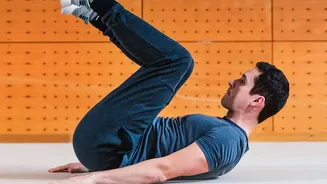
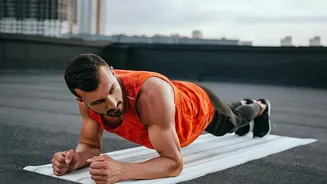
True core stabilisation is the ability of these muscles to work together to hold your spine and pelvis steady, providing a solid foundation for all your movements. A strong, stable core is essential for good posture, balance, and generating power, whether you're lifting groceries or performing a complex athletic move.
Tai Chi: The Gentle Powerhouse
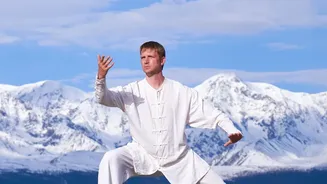
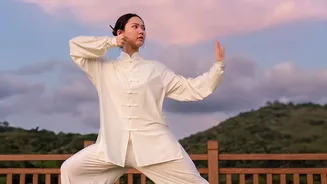
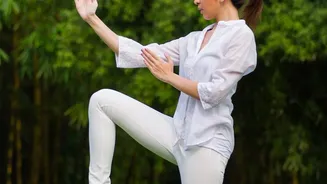
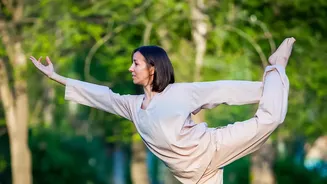
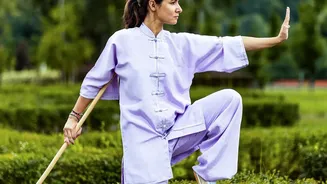
Often described as 'meditation in motion', Tai Chi involves slow, flowing, and deliberate movements combined with deep breathing. While it may look gentle, it's a 'sneaky workout' that builds profound core strength from the inside out. The practice emphasizes maintaining proper posture and body alignment through its various forms. As you shift your weight slowly and hold specific postures, you continuously engage the deep stabilising muscles of your abdomen and back to maintain balance. This creates strength through sustained, low-impact tension. Research shows that this focus on controlled movement and body awareness significantly improves balance, muscle strength, and can reduce the risk of falls, particularly in older adults.
Skating: Dynamic and Reactive Strength
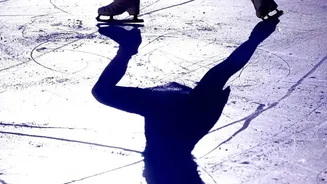
Whether on ice or with inline skates, skating is a fantastic core conditioner that works in a completely different way. The unstable surface forces your core to work constantly to maintain balance. With every push and glide, your postural, abdominal, and back extensor muscles are activated to create stability and allow for dynamic balance. This isn't about holding a static pose; it's about making thousands of tiny, reactive adjustments to stay upright. Skating is a full-body workout where the core acts as the central control centre, coordinating the movements of the arms and legs. This builds a reactive, powerful core capable of handling sudden shifts in direction and momentum.
The Key Differences in Core Engagement
The primary distinction lies in the type of muscle contraction. Tai Chi primarily builds core strength through slow, controlled movements and sustained postures, which is excellent for muscular endurance and developing what are known as local or stabilising muscles. It enhances proprioception—your body's sense of its position in space—which is crucial for balance. Skating, on the other hand, builds core strength through dynamic, reactive movements. It challenges your balance at speed, forcing your core muscles to fire quickly and powerfully to prevent you from falling. This type of training is more focused on the 'global' muscles that provide stability under greater loads and in response to external forces.
Which One is Right for You?
The 'better' option truly depends on your individual fitness goals, physical condition, and personal preferences. If you are looking for a low-impact exercise that enhances mindfulness, improves posture, and builds deep foundational stability, Tai Chi is an outstanding choice. It is particularly beneficial for those new to exercise, dealing with joint pain, or focused on improving balance in a controlled environment. If you crave a higher-intensity cardiovascular workout and enjoy the thrill of movement and speed, skating might be a better fit. It will build a strong, reactive core while also providing significant aerobic benefits. It challenges your agility and coordination in a way that feels more like play than a workout.