




A Strategic Shift in Indian Tourism
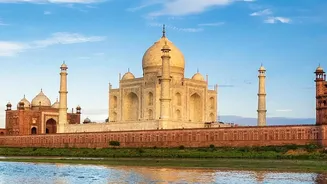
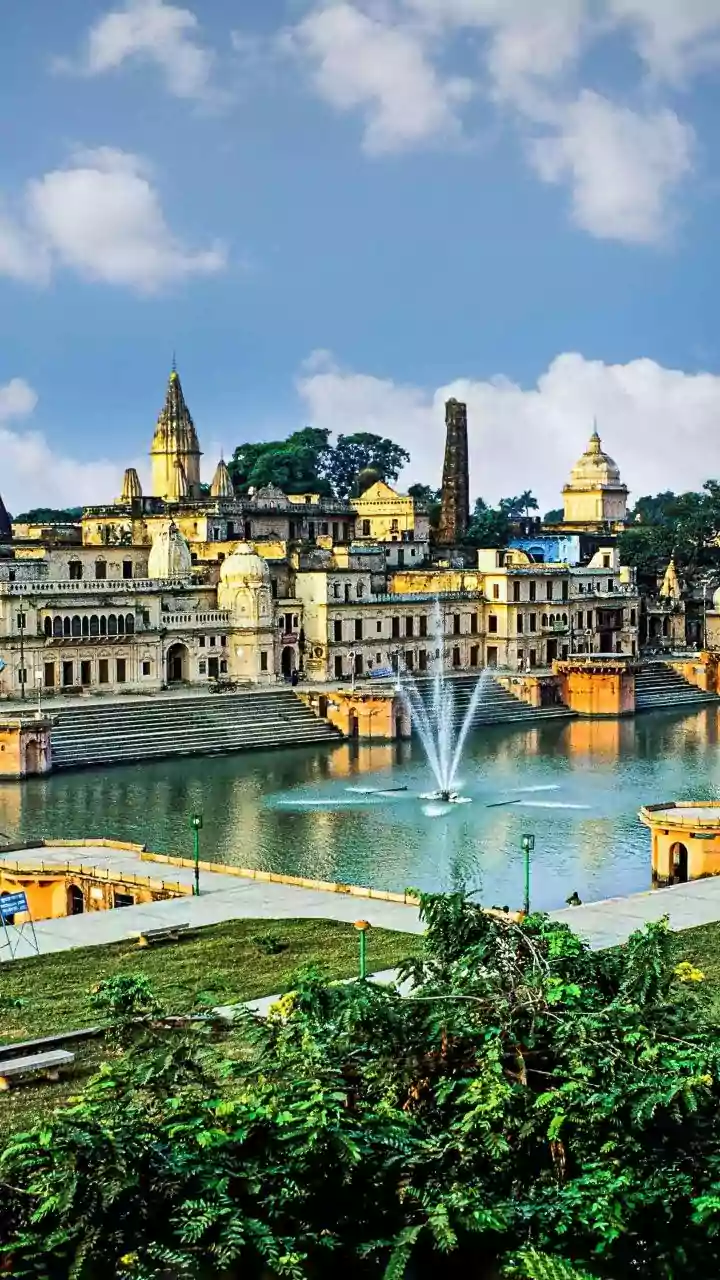
India is consciously moving away from a model that funnels tourists into a few overwhelmed hotspots. The future lies in distributing visitors more evenly, unlocking the potential of thousands of lesser-known towns and villages. This isn't just a passing
trend; it's a core part of national strategy. Government initiatives like Swadesh Darshan 2.0 and the recently launched National Mission for Alternative Destinations are designed to develop sustainable and responsible tourism hubs. The goal is to relieve pressure on major sites and provide travellers with more authentic experiences. This 'destination-centric' approach aims to make entire regions tourism-ready, focusing on everything from infrastructure and digital connectivity to cleanliness and safety. The result is a network of circuits themed around eco-tourism, heritage, spirituality, and more, creating a more resilient and diverse tourism economy.
The Rise of Culinary and Cultural Tourism
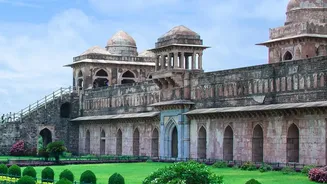
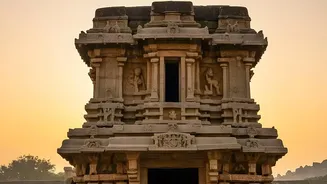
Today's travellers seek more than just photographs; they crave connection and authenticity. Food is a powerful gateway to culture, and these new circuits place regional cuisine at the forefront. Imagine walking through a coffee plantation in Wayanad, learning the art of traditional cooking from a rural family in Rajasthan, or exploring the unique flavours of North-East India. This goes beyond fine dining, focusing on immersive culinary journeys that support local producers and preserve age-old traditions. Similarly, heritage is being redefined. Instead of just visiting a single fort, travellers can now explore an entire circuit of interconnected historical sites, artisan villages, and vibrant local festivals without the usual crowds. This approach allows for a deeper appreciation of India's living culture, from the handloom weavers of one village to the folk performers of another.
Embracing Nature and Sustainability
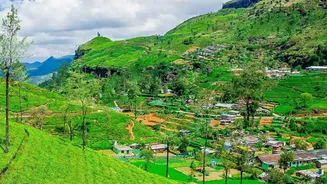
The new tourism model is deeply rooted in sustainability. Eco-circuits are being developed in states like Kerala, Uttarakhand, and Meghalaya, promoting everything from guided nature walks and birdwatching to stays in solar-powered resorts and community-led homestays. The idea is to create a positive relationship between tourism and the environment, ensuring that fragile ecosystems are protected. This shift caters to a growing global demand for responsible travel. Rather than simply observing nature, visitors can actively participate in its preservation through conservation programmes and eco-friendly activities. This creates a more meaningful experience for the tourist and provides a powerful incentive for local communities to protect their natural assets, from the backwaters of Kerala to the Himalayan foothills.
Economic Empowerment for Local Communities
Perhaps the most significant impact of these emerging circuits is economic. By drawing visitors to smaller towns, this model directly benefits local economies. It creates employment for a wide range of people, including tour guides, artisans, homestay owners, and small food vendors. When tourism spending reaches rural areas, it empowers communities, helps preserve traditional livelihoods, and reduces the need for migration to overburdened cities. Schemes like Swadesh Darshan 2.0 actively work to connect local self-help groups and cultural practitioners with tourism opportunities. This ensures that the financial benefits of travel are distributed more equitably, transforming tourism into a powerful tool for grassroots development and social stability. It fosters local pride and turns residents into the proud storytellers of their own heritage.