



Why Humidity Complicates Sunscreen
High humidity is a major challenge for traditional sunscreens. When the air is saturated with moisture, sweat doesn't evaporate easily from your skin, creating a sticky, uncomfortable feeling. Heavy, cream-based sunscreens can trap this heat and sweat,
making skin feel greasy and suffocated. This often leads to clogged pores and breakouts, and can cause sunscreen to slide off or break down faster, reducing its effectiveness. The discomfort is a key reason many people skip this essential skincare step altogether, especially in coastal or monsoon-prone regions.
Defining a ‘Lightweight’ Sunscreen
A 'lightweight' sunscreen is defined by its texture and how it feels on the skin. These formulas are designed to absorb quickly without leaving a heavy or greasy residue. Key terms to look for on labels include "gel-based," "fluid," "serum," or "water-light." Another important label is "non-comedogenic," which means the product is formulated specifically to not clog pores, a crucial feature in humid weather when pores are already under stress from sweat and oil. These formulations prioritize comfort, making daily application a much more pleasant experience.
Formulations That Thrive in Humidity
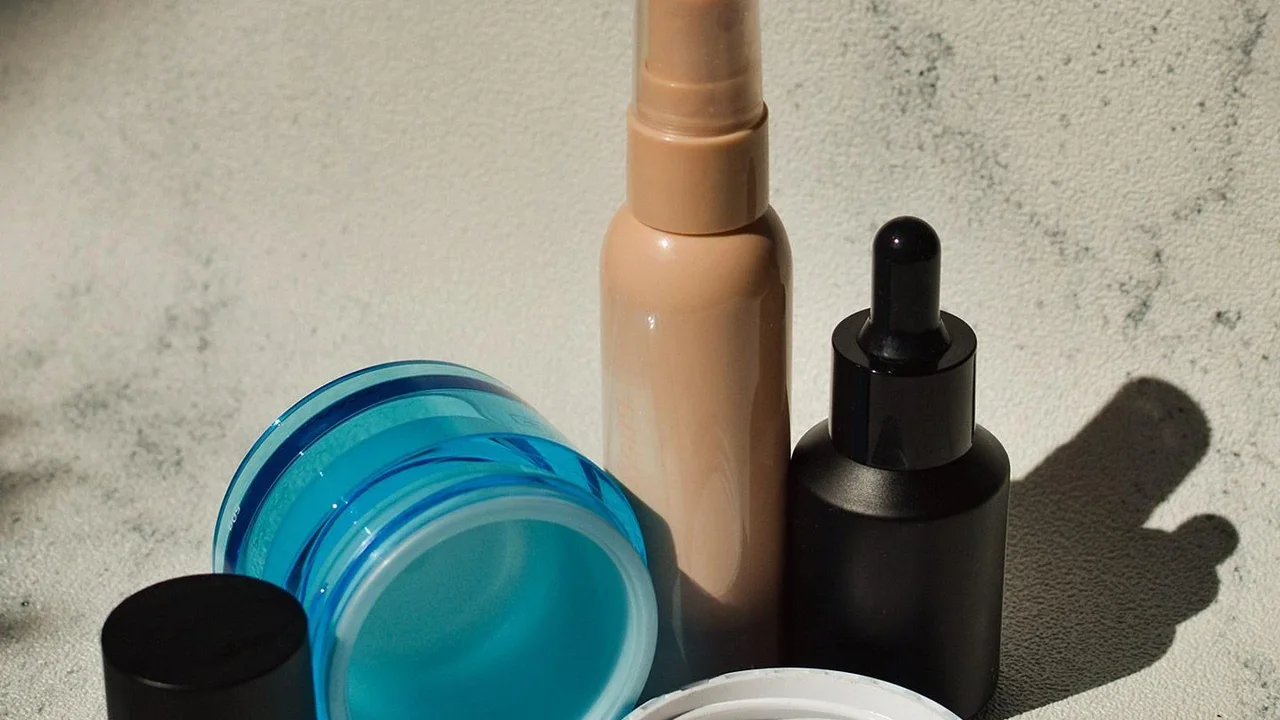
Gel-based sunscreens are often the top recommendation for humid climates. Their water or alcohol base makes them feel lighter and absorb almost instantly, leaving a matte or semi-matte finish that helps control shine. Sunscreen serums and fluids are also excellent choices, offering high protection in a thin, barely-there texture that sits well under makeup. For those with sensitive skin, modern mineral sunscreens featuring zinc oxide can also be found in lightweight lotion formulas that are less likely to irritate. Hybrid sunscreens, which combine both chemical and mineral filters, are another popular option, offering broad-spectrum protection without the white cast or heavy feel.
Key Ingredients to Look For
Beyond the formulation, certain ingredients enhance a sunscreen's performance in humidity. Niacinamide is a standout ingredient that helps regulate oil production and can minimize the appearance of pores, making it perfect for oily and combination skin. Hyaluronic acid, while known for hydration, is also beneficial in a humid climate. It draws moisture from the air, providing hydration without adding oiliness. Many modern sunscreens also include antioxidants like Vitamin E to offer additional protection against environmental damage. For acne-prone skin, a formula with salicylic acid can offer protection while also helping to keep pores clear.
Tips for Effective Application
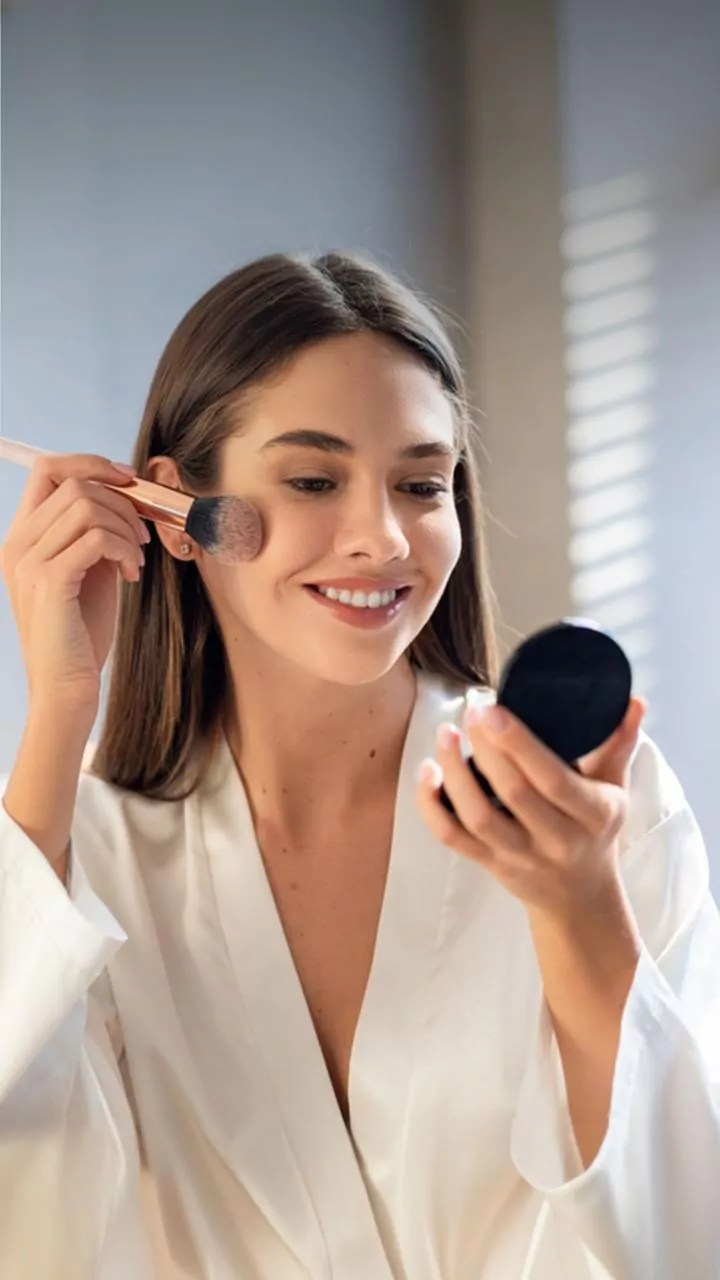
To get the most out of your lightweight sunscreen, application is key. Always start with clean skin. Apply your sunscreen as the last step of your skincare routine, before makeup. A common recommendation is the "two-finger rule"—dispensing enough product to cover two fingers—to ensure you're applying a sufficient amount for your face and neck. Even with water-resistant formulas, it's crucial to reapply every two to three hours, especially if you've been sweating heavily or have been outdoors for a prolonged period. Under-application is a common mistake that significantly reduces the stated SPF protection.