


What is This Ancient Superfood?
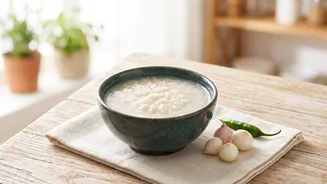
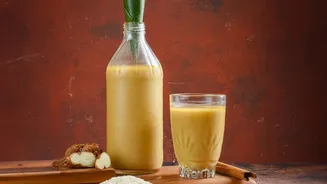
Pazhanthanji, also known as Pazhaya Kanji, is startlingly simple. The name translates to "old gruel," and it's traditionally made by soaking leftover cooked rice in water, often in an earthenware pot, and letting it sit overnight. Historically, it was
the breakfast of farmers and labourers in states like Kerala and Tamil Nadu, who needed sustained energy for a long day of physical work under the sun. This was more than just a way to prevent food waste; it was a practical, sustainable meal that provided hydration, nutrients, and a natural cooling effect on the body. By morning, the simple mixture transforms into a tangy, nourishing porridge that is now being rediscovered by a new generation of health-conscious individuals.
The Probiotic Power of Fermentation
The magic of Pazhanthanji lies in its natural fermentation process. Leaving the rice to soak overnight allows beneficial bacteria, particularly lactic acid bacteria like Lactobacillus, to multiply. This turns the simple rice water into a potent, natural probiotic drink. These live microorganisms are essential for maintaining a healthy gut microbiome, which improves digestion, helps the body absorb nutrients more efficiently, and strengthens the immune system. Furthermore, the fermentation process breaks down certain 'anti-nutrients' in the rice, making minerals like iron, potassium, and calcium more bioavailable. In fact, some analyses have shown that the iron content in fermented rice can be significantly higher than in plain cooked rice. It also becomes a rich source of B vitamins, including B6 and the hard-to-find B12, crucial for energy metabolism.
The Case for the Modern Smoothie
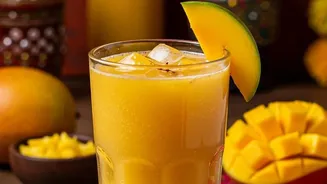
On the other side of the ring is the globally recognized champion of quick-fix health: the smoothie. Its appeal is undeniable. A blender can transform fruits, vegetables, seeds, and protein powders into a convenient, nutrient-dense meal in minutes. Smoothies are an excellent way to pack in vitamins, antioxidants, and dietary fibre. By including whole fruits and vegetables, they retain more fibre than juices. For those looking to boost their intake of greens and other healthy ingredients, a smoothie is an efficient and often delicious solution. They can be endlessly customized to suit individual dietary needs and flavour preferences, making them a versatile tool in the modern wellness arsenal.
The Gut Health Showdown
When placed head-to-head for gut health, the differences become clear. While smoothies offer fibre, which acts as a prebiotic to feed existing good bacteria, they typically lack live probiotics unless fermented ingredients like kefir or yogurt are specifically added. The blending process itself can also break down food structures, potentially leading to faster sugar absorption and blood sugar spikes, especially in fruit-heavy smoothies. Pazhanthanji, conversely, is a natural synbiotic – it contains both probiotics (the good bacteria) and prebiotics (the fibrous rice that feeds them). Its power comes from the live cultures created during fermentation, which directly populate the gut. It also provides slow-release carbohydrates for sustained energy without the sugar rush, making it an excellent pre- or post-workout meal.
Why Tradition is Making a Comeback
The resurgence of Pazhanthanji isn't just about probiotics; it's part of a larger movement towards embracing traditional wisdom and whole foods over processed alternatives. For many, it represents a connection to their heritage—a simple, sustainable, and incredibly effective food that has nourished generations. While a smoothie might be packed with expensive superfoods flown from across the globe, Pazhanthanji is made from the most humble of ingredients: leftover rice. It is affordable, accessible, and aligns with a holistic approach to health that considers everything from gut flora to body temperature, as it's known to have a cooling effect. It’s a reminder that sometimes the most powerful health solutions aren't found in a supplement bottle, but in the time-tested practices of our own kitchens.