







The Burnout Epidemic Needs a Real Break
Modern Indian work life is demanding. Cities are loud, workdays are long, and smartphones ensure the office is never truly left behind. This has led to a widespread culture of burnout. A recent Deloitte survey found that about 70% of India's Gen Z and 64%
of its millennials report feeling burnt out. As a result, vacations are no longer seen as a luxury but as a crucial tool for maintenance and recovery. People are realising that a holiday that mimics the frantic pace of daily life, just with better scenery, isn't a holiday at all. The goal is to return home feeling genuinely restored, which requires actually resting. This has made 'do-nothing' or 'anti-itinerary' trips—where the main activity is intentional relaxation—an increasingly popular choice.
From 'FOMO' to the 'Joy of Missing Out'
For years, travel was driven by FOMO (Fear Of Missing Out), fuelled by social media feeds filled with friends ticking off bucket-list destinations. This created a pressure to see and do everything, often leading to exhaustion. Now, the pendulum is swinging towards JOMO: the Joy of Missing Out. Travellers are consciously opting out of the performative, checklist-driven style of vacationing. According to an Agoda report, relaxation is the main reason for travel for 67% of Indian respondents. The new measure of a successful trip isn't how many landmarks you visited, but whether you truly managed to disconnect and stop thinking about your to-do list.
The Rise of Wellness and 'Hushpitality'
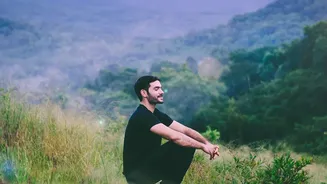
The desire for rest has fuelled a massive boom in the wellness tourism market in India, which is projected to grow significantly in the coming years. This is not just about spas. It's about a broader ecosystem of travel built around holistic health, including yoga retreats, meditation, and digital detoxes. A new buzzword, 'hushpitality', captures this trend perfectly: holidays designed around silence, nature, and slowing down rather than sightseeing. Destinations like Rishikesh and the mountains of Kumaon are becoming popular for stillness over adventure, offering a genuine escape from urban noise.
The Stay is the Destination
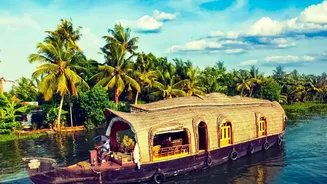
The focus is shifting from where you go to how you feel when you are there. Instead of a base for sightseeing, the hotel or homestay has become the experience itself. Travellers are actively choosing properties that function as self-contained ecosystems, integrating accommodation, dining, and recreation. This pivot to 'slow travel' means longer stays in a single destination rather than multi-city sprints. This allows for a deeper, more immersive experience where travellers can connect with the local culture, food, and people at an unhurried pace, redefining what a meaningful trip feels like.
Shorter, More Frequent Breaks
The traditional two-week annual vacation is also being complemented, and sometimes replaced, by shorter, more frequent getaways. Many working professionals find that a three-day trip to a quiet, nearby location every few months can be more restorative than a single, over-planned long holiday. This trend towards 'micro-cations' fits better into busy work schedules and provides more regular opportunities to reset. Reports show a significant rise in people taking multiple trips a year, with a preference for shorter durations that allow for repeated doses of rest and relaxation.