






The Global Squeeze on Oil
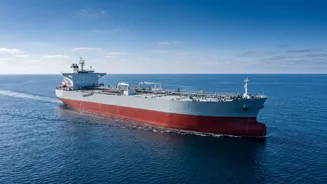
Global oil prices have climbed significantly, with the benchmark Brent crude hovering near $90 per barrel. This spike is largely driven by geopolitical tensions in the Middle East, particularly disruptions in the Strait of Hormuz, a critical channel for
about one-fifth of the world's oil supply. When supply routes are threatened and international relations are strained, the market gets nervous, pushing prices up for major importers like India. As our nation imports over 85% of its oil requirements, any global price increase translates directly into a higher import bill, creating a domino effect that eventually reaches consumers.
Aviation on High Alert
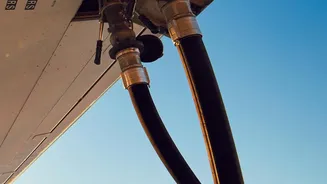
The aviation sector is one of the most sensitive to fuel price fluctuations. Aviation Turbine Fuel (ATF) can account for 40-50% of an airline's total operating costs. As crude oil gets more expensive, the cost of producing ATF also rises, putting immense pressure on airline finances. In response, Indian carriers might be forced to pass these higher costs on to passengers through increased ticket prices. Some airlines have already signalled that they may reduce flight capacity on certain routes to manage the financial strain. This combination of potentially higher fares and fewer available flights could make air travel more expensive, especially if the high-price environment persists through the upcoming holiday seasons.
The Last-Mile Delivery Pinch
The convenience of e-commerce and food delivery is built on a massive logistics network powered by petrol and diesel. As these fuel prices rise at the pump, the operational costs for delivery companies climb. Diesel is the lifeblood of the trucking industry, which transports everything from fresh produce to electronics across the country. Transporter associations have already indicated that rising diesel costs will lead to higher freight charges, which are calculated based on fuel prices. This means businesses that sell goods online will pay more to transport their products, a cost that is often passed on to the consumer through higher delivery fees or increased product prices. Even gig workers for food and grocery apps are feeling the pressure, as higher fuel costs eat into their earnings.
Your Daily Commute Gets Costlier
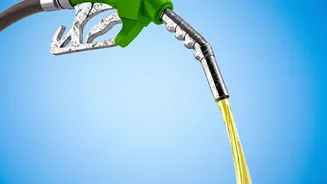
For millions of Indians, the most direct impact of expensive oil is felt at the local petrol station. Recent hikes have pushed petrol and diesel prices up across the country, with rates crossing the ₹100 per litre mark in several cities. For those who rely on personal cars and two-wheelers for their daily commute, this means a bigger portion of the monthly household budget is spent on fuel. The impact isn't limited to private vehicles. Higher diesel and CNG prices also increase the operating costs for public transport, including buses, auto-rickshaws, and app-based cabs. This could eventually lead to fare revisions, making even public transportation more expensive and adding another layer of financial pressure on daily commuters.