




A New Chapter in India's Space Program
The Indian Space Research Organisation (ISRO) has a long and storied history of using satellite technology for national development. The Earth Observation Satellite (EOS) series represents a significant evolution in this journey. In 2020, ISRO adopted
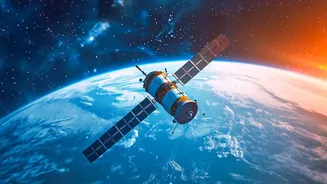
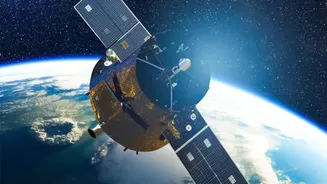
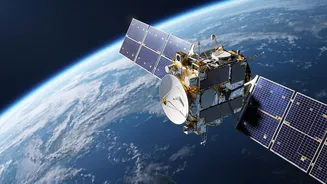
a new naming system, christening its earth observation satellites as 'EOS' followed by a number. This streamlined approach brings various satellite programs, like the RISAT and Oceansat series, under a unified banner, simplifying how we understand their purpose. The program aims to provide high-quality imaging data for a vast range of applications, from agriculture and disaster management to climate monitoring and national security. While individual satellites like EOS-01, EOS-04, and EOS-06 have already been launched and are operational, the series is designed for continuous improvement and capability enhancement with each new addition.
The Satellite That Aims to Watch Constantly
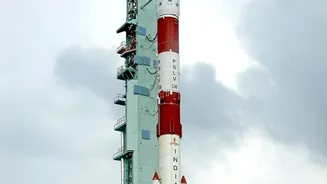
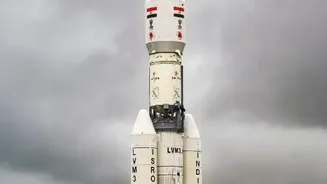
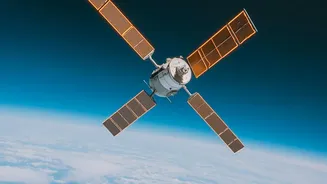
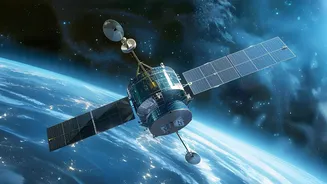
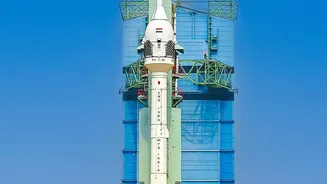
The headline mentions EOS-05, which is a specific, highly anticipated satellite also known as GISAT-1A. Its mission is particularly ambitious. Unlike most other observation satellites which are placed in a Low Earth Orbit (LEO) and circle the globe every 90-100 minutes, EOS-05 is planned for a much higher Geosynchronous Orbit (GSO). From this vantage point, it can continuously monitor a large portion of the Indian subcontinent. This capability is a game-changer for tracking rapidly developing events like cyclones, forest fires, and floods, providing near real-time imagery to disaster management agencies. The satellite is a replacement for EOS-03 (GISAT-1), which was lost in a launch failure in 2021. As of late August 2026, ISRO has scheduled the launch of EOS-05 for September 4, 2026, marking a crucial return-to-flight for this important capability.
Meet the Recent Workhorses of the EOS Fleet
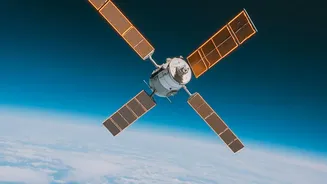
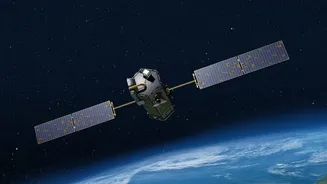
While EOS-05's launch is awaited, several other satellites in the series are already delivering vital data. EOS-04, also known as RISAT-1A, was successfully launched in February 2022. It is a Radar Imaging Satellite, which means it has the powerful ability to see through clouds, rain, and darkness, providing reliable images regardless of weather or time of day. This makes it invaluable for flood mapping, soil moisture analysis, and forestry management. Following it, EOS-06 (Oceansat-3) was launched in November 2022. As its name suggests, this satellite is dedicated to monitoring the oceans. Its instruments track ocean colour, sea surface temperature, and wind data, which are critical for predicting monsoon behaviour, identifying potential fishing zones, and tracking cyclones. More recently, EOS-07 was launched in February 2023 as a smaller, experimental satellite to test new technologies for future missions.
Why Earth Observation Matters for Every Indian
The technology aboard these satellites might seem distant, but its impact is felt on the ground every day. For farmers, data on soil moisture and crop health from satellites like EOS-04 can lead to better yields and water management. For coastal communities, the advance warnings of cyclones provided by satellites like EOS-06 save countless lives. Urban planners use high-resolution images to manage city expansion and infrastructure development. Geologists monitor land for potential landslide risks, and environmental scientists track deforestation and the health of glaciers. Furthermore, this indigenous capability is a matter of strategic importance. Having our own fleet of advanced observation satellites ensures that India does not have to depend on other nations for critical data, whether for civilian planning or for monitoring its borders. It underpins the nation's push for self-reliance and its status as a major global space power.