


The Soul of the Feast: Bhoger Khichuri
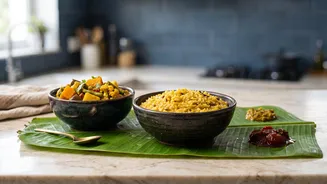
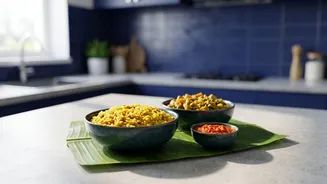
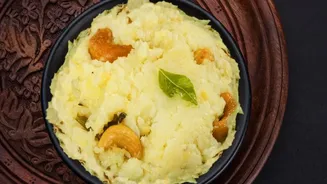
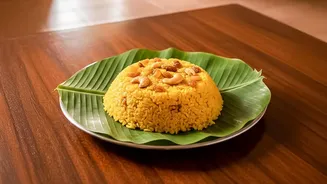
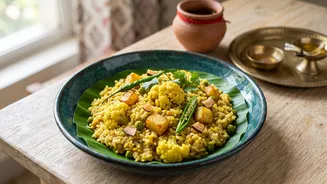
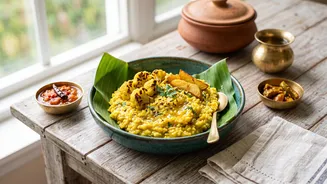
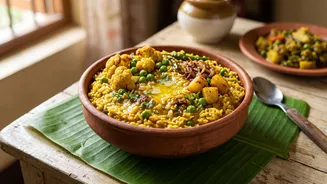
No Durga Puja bhog is complete without khichuri. This isn't just any rice and lentil dish; it's a fragrant, wholesome preparation that defines comfort and devotion. The key is using aromatic Gobindobhog rice and roasting the Sona Moong dal until it releases
a nutty scent. This single step elevates the flavour profile, setting it apart from everyday khichdi. Cooked without onion or garlic, its savoury depth comes from ginger paste, cumin, and whole spices like cinnamon, cloves, and bay leaves, all bloomed in ghee or mustard oil. Vegetables like potatoes, cauliflower, and green peas are often added, making it a complete, one-pot meal. The final texture should be soft and porridge-like, rich with the flavour of spices and finished with another spoonful of ghee before being offered as 'prasad'.
The Perfect Partner: Labra
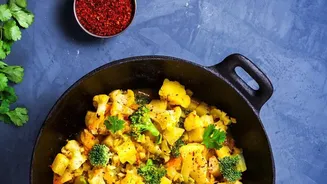
Labra is the essential companion to bhoger khichuri, a uniquely Bengali mixed-vegetable medley where every ingredient retains its character. This 'niramish' (vegetarian, without onion or garlic) dish is a celebration of seasonal produce. A typical labra might include a diverse mix of vegetables like pumpkin, potatoes, sweet potatoes, brinjal, radish, and beans. The art of making labra lies in the cutting of the vegetables and the order in which they are added to the pan, ensuring each cooks to perfection without turning into a mash. The tempering is crucial, often starting with 'panch phoron'—a five-spice blend of fenugreek, nigella, cumin, mustard, and fennel seeds—in hot mustard oil. A touch of sugar balances the flavours, and a final garnish of 'bhaja moshla' (roasted spice powder) or a drizzle of ghee adds the finishing festive touch.
A Sweet and Tangy Finish: Tomato Chutney
A Bengali meal course often concludes with a chutney, and during Puja, a sweet and tangy tomato chutney is a favourite. This isn't a simple relish but a delightful palate cleanser served before dessert. The most beloved version is the Tomato-Khejur Chutney, made with ripe tomatoes, sweet dates (khejur), and sometimes 'aamshotto' (dried mango leather). The preparation involves cooking down fresh, juicy tomatoes with sugar until they become soft and jam-like. The dates add a natural sweetness and chewy texture. Like the other bhog dishes, it gets its distinct Bengali flavour from a tempering of mustard seeds and dry red chillies in a little oil, creating a perfect balance of sweet, tangy, and subtly spicy notes.
The Spirit of the Offering
Preparing bhog at home is about more than just cooking; it's an act of devotion and a way to connect with the spirit of the festival. Bhog is food offered to the goddess first, making it 'prasad'—a sanctified blessing that is then shared among family and friends. This tradition transforms the meal from mere sustenance into something that nourishes the soul. By cooking these dishes with care and a sense of gratitude, you are participating in a timeless ritual that celebrates community, purity, and the triumph of good. Sharing this lovingly prepared meal brings the communal joy and divine blessings of the pandal right to your dining table.