





The Allure and Reality of Monsoon
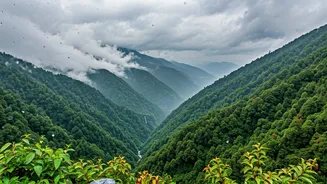
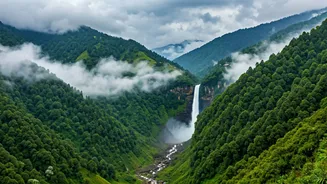
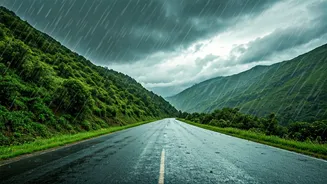
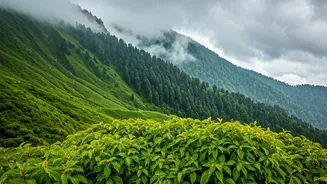
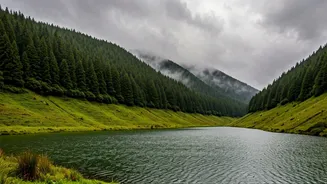
Visiting Sikkim between June and September offers a unique charm. The landscape transforms into a vibrant green paradise, waterfalls are at their most powerful, and popular spots are blissfully uncrowded. This off-season timing often means lower prices
for hotels and transport, making it a budget-friendly option. However, the reality of monsoon travel involves the risk of landslides and road closures, particularly in higher altitude areas. The season calls for flexible plans and a realistic understanding that not all destinations may be accessible.
Plan Your Itinerary Wisely
During the monsoon, it's crucial to choose your destinations with care. It is generally safer to stick to lower-altitude and more stable regions like South and West Sikkim. Places like Gangtok, Pelling, Namchi, and Ravangla are excellent choices, offering well-maintained roads and plenty of sightseeing opportunities, from the Pelling Skywalk to the Buddha Park at Ravangla. It is strongly advised to avoid or be extremely cautious about planning trips to North Sikkim, including Lachen, Lachung, and Gurudongmar Lake, as these areas are highly prone to landslides and road blockages. Always check official advisories from sources like the Sikkim Tourism department before and during your travel.
Essential Monsoon Packing
Packing smart is key to a comfortable monsoon trip. Your bag must include high-quality waterproof gear, including a rain jacket with a hood and waterproof hiking boots with excellent grip. Quick-dry clothing is far more practical than cotton, which stays damp. Pack multiple pairs of moisture-wicking socks to prevent blisters. Other essentials include a sturdy umbrella, a rain cover for your backpack, a power bank for potential outages, and a basic first-aid kit with antifungal cream and any personal medications. It’s also wise to carry a reusable water bottle and waterproof pouches to protect your electronic gadgets and important documents.
Navigating with Caution
Transportation requires careful planning. Always hire experienced local drivers who are familiar with the challenging monsoon road conditions. Opt for SUVs or other sturdy vehicles that can handle rough terrain. It's a golden rule to avoid travelling on the hill roads after dark, as visibility drops and risks increase. One of the most important tips is to build buffer days into your itinerary. Roadblocks due to landslides are common, and having extra days ensures that such delays don't derail your entire trip. This approach encourages a 'slow travel' mindset, allowing you to patiently and safely enjoy the journey.
Be a Responsible Traveller
Sikkim is a leader in ecotourism, being India's first fully organic state and having strong environmental policies. As a visitor, you play a vital role in preserving this fragile ecosystem. Adhere to the principle of 'leave no trace' by not littering and avoiding single-use plastics. Support the local economy by staying in homestays and buying local handicrafts. When visiting monasteries and interacting with local communities, dress modestly and always be respectful of their customs. Ask for permission before taking photographs of people. Your mindful actions contribute to the sustainability of tourism in this beautiful state.