



The Age of Protein Anxiety
Not long ago, the conversation around healthy eating in urban India could be summarised in one word: protein. From gym-goers to busy professionals, the message was clear—you're probably not getting enough. This fuelled a booming market for protein supplements,
fortified snacks, and high-protein everything. [2, 21] Families started reading labels, not just for calories, but for grams of protein per serving. [2] This “protein panic” was partly a response to a real issue; studies, including those by the Indian Council of Medical Research (ICMR), have noted that many Indian diets are traditionally carbohydrate-heavy and can be protein-deficient. [2, 14, 23] Brands capitalized on this growing awareness, marketing everything from protein coffee to protein pasta, creating a sense that more was always better. [12]
The Pendulum Swings Towards Balance
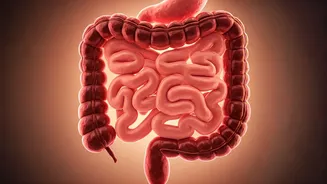
However, the intense focus on a single nutrient is beginning to cause fatigue. Lifestyle experts and nutritionists are now cautioning against the obsession, pointing out that many heavily marketed “high-protein” products are also ultra-processed and loaded with unhealthy fats, refined flours, and sugars. [3, 6] Integrative lifestyle expert Luke Coutinho has highlighted that this singular focus can lead to inflammation and poor gut health. [3] The sentiment is growing: a protein cookie is still a cookie. This realization is pushing people to question the hype and look for a more sustainable and less stressful approach to eating, moving the focus from just protein to overall nutritional quality. [6]
What 'Balance' Looks Like on an Indian Plate
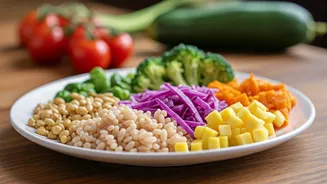
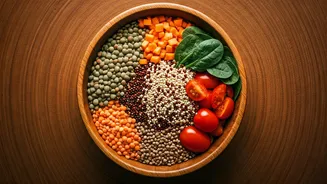
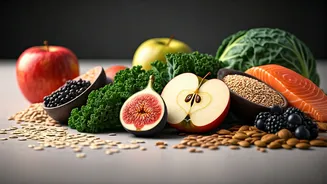
So, what does this new “balance” look like? For many, it’s a return to basics. Instead of chasing numbers on a nutrition app, the emphasis is shifting back to the composition of the entire meal. [15] Nutritionists are championing a simple model for a balanced plate: 50% vegetables, 25% carbohydrates (like rice, roti, or millets), and 25% protein (dal, paneer, eggs, or meat). [23] This approach moves away from demonizing carbs or idolizing protein. Instead, it promotes variety and portion control, ensuring a mix of essential macronutrients, vitamins, and fibre in every meal. [10] It's less about restriction and more about thoughtful inclusion, a principle long embedded in traditional Indian food culture.
Rediscovering Traditional Wisdom
This shift is also leading to a powerful rediscovery of traditional Indian food wisdom. [4] What modern wellness trends are now labelling as “gut-friendly” or “probiotic,” have been staples in Indian kitchens for generations. [4, 10] Simple, everyday foods like dahi (curd), khichdi, fermented idli/dosa batter, and chaas (buttermilk) are being appreciated once again for their inherent nutritional benefits. [4] These foods are naturally balanced, support digestion, and are suited to our climate and genetics. [15, 18] The government's promotion of millets and the renewed interest in local, seasonal produce are also part of this movement. [8] It's a realisation that the answers to modern health problems might not lie in an imported superfood, but in our grandmothers' kitchens.
Beyond Fads: A Sustainable Approach to Wellness
The move from a protein obsession to a balanced plate is more than just another dietary trend; it's a cultural correction. It reflects a growing maturity among consumers who are tired of quick fixes and restrictive fads. People are seeking a sustainable, long-term approach to health that fits into their everyday lives without causing stress or requiring expensive, processed products. [4] This balanced approach, rooted in traditional practices and whole foods, offers a way to feel nourished, not just full. [14] It acknowledges that while protein is essential, it is just one part of a complex, interconnected system. True health, as many are rediscovering, comes from the plate as a whole.