






Understanding Your Body’s Internal Clock
Deep inside your brain is a master clock, known as the suprachiasmatic nucleus (SCN), that runs on a roughly 24-hour cycle. This is your circadian rhythm, and it does much more than just tell you when to sleep and wake. It acts like a conductor for an orchestra,
coordinating countless bodily functions, from hormone release to body temperature. Crucially, this rhythm also directs your digestive system. Organs like your stomach, liver, and intestines have their own internal clocks that are synchronized with the main one. During the day, they are primed and ready for action—releasing enzymes, absorbing nutrients, and efficiently processing food. At night, as your body prepares for rest, these systems slow right down.
Why Shift Work Disrupts Digestion
Shift work forces you to live out of sync with this natural programming. When you eat a heavy meal at 2 a.m., you’re essentially asking your digestive system to sprint when it's supposed to be in a deep sleep. This mismatch, or 'circadian misalignment', is the primary reason shift workers report higher rates of gastrointestinal problems like bloating, gas, constipation, and acid reflux. Your body isn’t prepared to digest food efficiently at night. This can lead to delayed stomach emptying and altered gut motility, making you feel uncomfortably full and sluggish. Over time, this constant disruption can contribute to more significant health issues, including an increased risk for metabolic syndrome, diabetes, and cardiovascular disease.
The Daylight Eating Strategy Explained
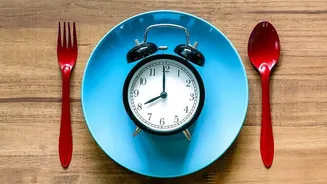
The solution is to align your eating schedule with your body’s clock, a concept often called 'daylight eating' or time-restricted eating (TRE). For a shift worker, this doesn't strictly mean eating only when the sun is out. Instead, it means creating a consistent, consolidated eating window—ideally 10 to 12 hours long—that corresponds with your body's most active phase, and then fasting for the remaining 12 to 14 hours. Studies have shown that by confining eating to the daytime, even when working at night, shift workers can prevent the blood sugar spikes and metabolic issues associated with their schedules. The goal is to give your digestive system a predictable schedule and a long, uninterrupted break overnight, allowing it to rest and repair as it's biologically designed to do.
Practical Tips for Meal Timing
Adopting this strategy requires planning, but the benefits are worth it. Start by having your main, most substantial meal of the day before your night shift begins. Aim to eat a balanced dinner with protein, healthy fats, and complex carbohydrates a few hours before you head to work. This will provide sustained energy. If you need to eat during your shift, opt for a small, light, and easily digestible snack instead of a full meal. Think of options like yogurt, a piece of fruit, or a handful of nuts. Crucially, try to avoid eating in the hours between midnight and 6 a.m., when your digestive system is at its least efficient. After your shift, a small, light breakfast can help before you go to sleep, but avoid a large feast that could interfere with your rest.
Food Choices and Hydration Matter
While timing is key, what you eat still plays a vital role. During your shift, stay away from sugary, high-fat, and heavily processed foods found in vending machines. These can cause energy crashes and worsen digestive symptoms. Instead, focus on whole foods. Hydration is also critical. Dehydration can worsen fatigue and lead to constipation, so keep a water bottle handy and sip regularly throughout your shift. It's also wise to limit caffeine intake to the first half of your shift to ensure it doesn't disrupt your sleep when you get home. By combining strategic meal timing with smart food choices, you can work with your body, not against it, promoting better digestion and overall well-being despite an unconventional schedule.