

Raghurajpur: A Living Art Gallery
Just 14 kilometres from Puri lies Raghurajpur, a village where every home is an artist's studio and every wall is a canvas. Recognised as a heritage crafts village, it is the epicentre of Pattachitra, a traditional cloth-based scroll painting that dates
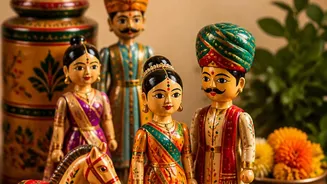
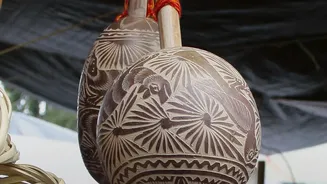
back centuries. Artists use natural pigments to depict intricate mythological narratives on treated cloth, palm leaves (Tala Pattachitra), and even on coconut and betel nut. Walking through its two main streets, visitors can watch generations of artists at work, creating everything from detailed paintings to papier-mâché masks and wooden toys. Buying directly from the artisans here ensures authenticity and supports the community that keeps this ancient art form alive.
Pipili: The Canvas of Appliqué
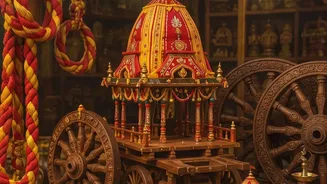
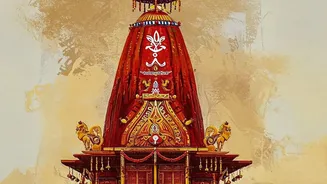
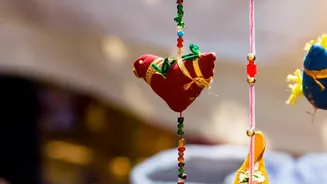
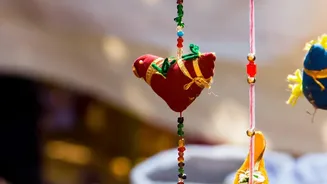
The town of Pipili, located between Bhubaneswar and Puri, is a spectacle of vibrant colour. It is the home of 'Chandua', or appliqué work, a craft with origins tied to the Jagannath Temple rituals. Historically, artisans created canopies, umbrellas, and banners for the annual Rath Yatra. Today, the main street is lined with shops selling a dazzling array of products featuring this technique, where pieces of coloured cloth are skilfully stitched onto a base fabric to create vivid designs of animals, flowers, and gods. Travellers can find everything from elaborate garden umbrellas and lampshades to handbags, cushion covers, and wall hangings, making it an essential stop for colourful souvenirs.
Cuttack: The Lustre of Silver Filigree
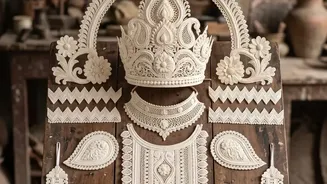
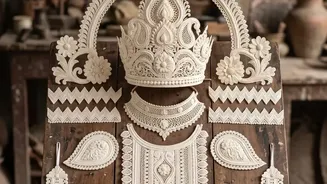
Cuttack, Odisha's historic 'Silver City', is the heart of Tarakasi, or silver filigree. This 500-year-old art form involves twisting fine threads of silver into delicate, lace-like patterns. Artisans, known as 'Roupyakaras', use an alloy of over 90% pure silver to craft exquisite jewellery, decorative items, and religious idols. The craft is famously used to create the magnificent backdrops ('Chandi Medha') for Durga Puja pandals. For travellers, Cuttack's narrow lanes, particularly in the Naya Sarak area, offer a chance to buy intricate Tarakasi jewellery like earrings, pendants, and brooches directly from the source.
Dhokra: The Ancient Art of Metal Casting
The rustic, ancient charm of Dhokra metalwork is a testament to India’s tribal heritage, dating back over 4,000 years to the Indus Valley Civilization. This non-ferrous metal casting, which uses the 'lost-wax' technique, is practised by tribal communities in various districts of Odisha, including Dhenkanal, Mayurbhanj, and Rayagada. Artisans create a core clay model, which is then covered in beeswax threads to form the design. This is coated again in clay, baked to melt the wax, and filled with molten brass or bell metal. The resulting objects, from figurines of deities and animals to jewellery and home decor items, have a uniquely raw and intricate texture.
Sambalpuri Ikat: The Woven Wonders
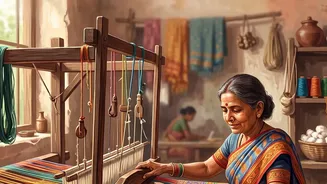
No trip to Odisha is complete without experiencing its rich handloom tradition, epitomised by the Sambalpuri saree. This craft, primarily from western Odisha, is famous for its 'Bandha' or tie-and-dye process, where yarns are dyed before being woven, creating characteristic feathered edges on the motifs. This intricate process is a registered Geographical Indication (GI) of Odisha. Designs range from traditional motifs of shankha (conch) and chakra (wheel) to the popular Pasapalli, a bold checkerboard pattern. While the sarees are the main attraction, the fabric is also used for dupattas and other garments. For authentic purchases, look for government emporiums like Boyanika and Utkalika in cities like Bhubaneswar, or trusted handloom stores in Puri.