
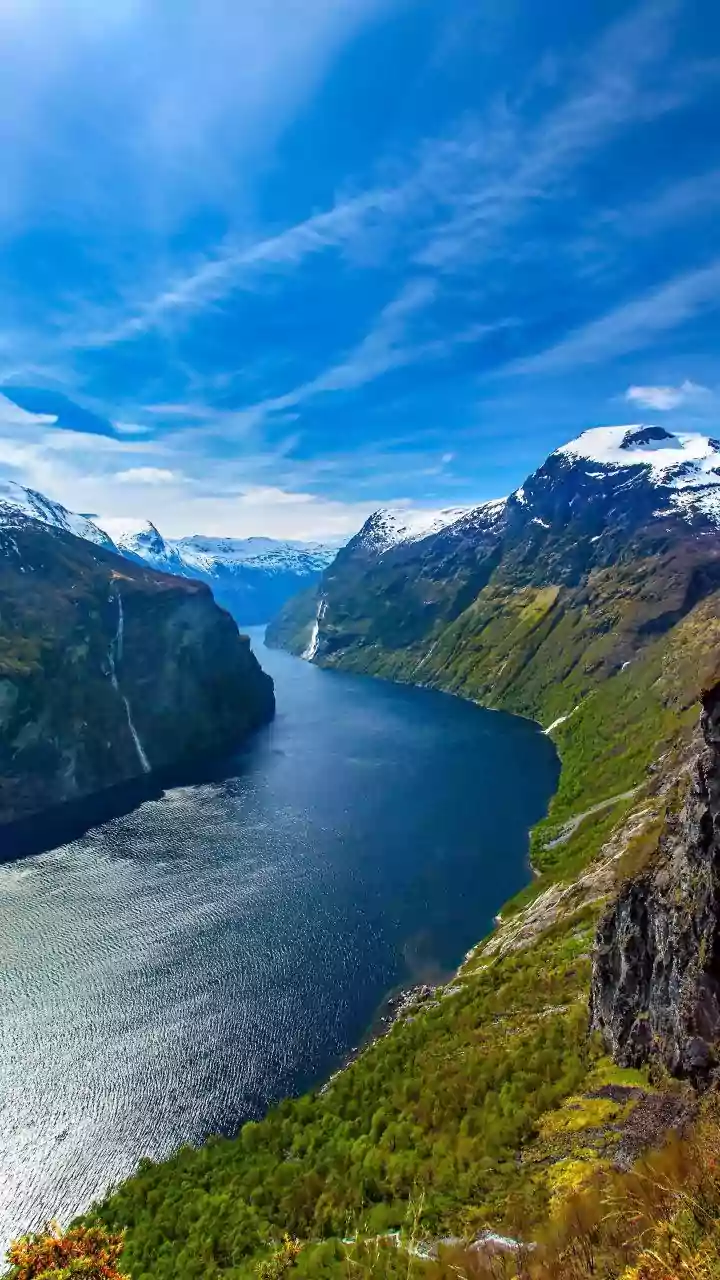
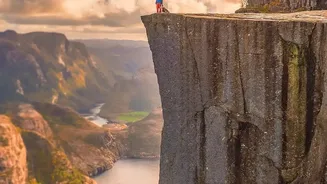
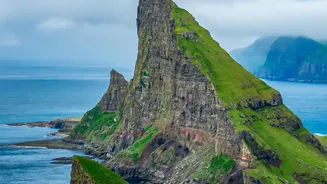
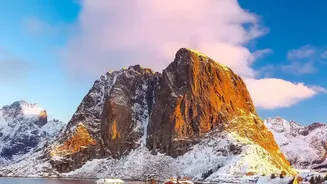
The Lofoten Islands: Postcard Peaks and Fishing Cabins
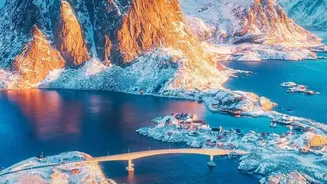
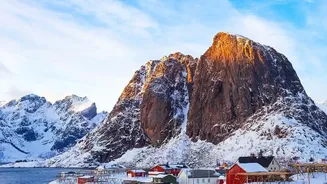
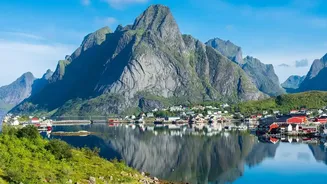
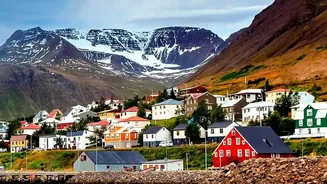
The Lofoten archipelago is arguably Northern Norway's most iconic destination, where jagged granite peaks rise directly from the sea, sheltering picturesque fishing villages with their famous red cabins, or 'rorbuer'. The main islands are connected by
the E10 road, making it a popular choice for road trips. However, weather is a constant factor. Winter (November-March) offers prime opportunities for viewing the Northern Lights and dramatic, snow-dusted scenery. But it also means fewer daylight hours and the risk of road closures due to storms. Summer (June-July) brings the midnight sun, with 24-hour daylight perfect for hiking iconic trails like Reinebringen, though this is also the busiest and most expensive season. To get here, you can fly into the small airports at Svolvær or Leknes, or take a ferry from Bodø on the mainland. For a balance of decent weather, manageable crowds, and a chance of seeing the aurora, September is an underrated gem.
Senja: Norway in Miniature
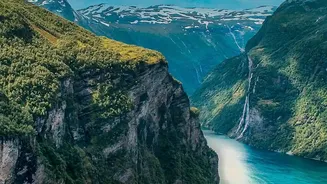
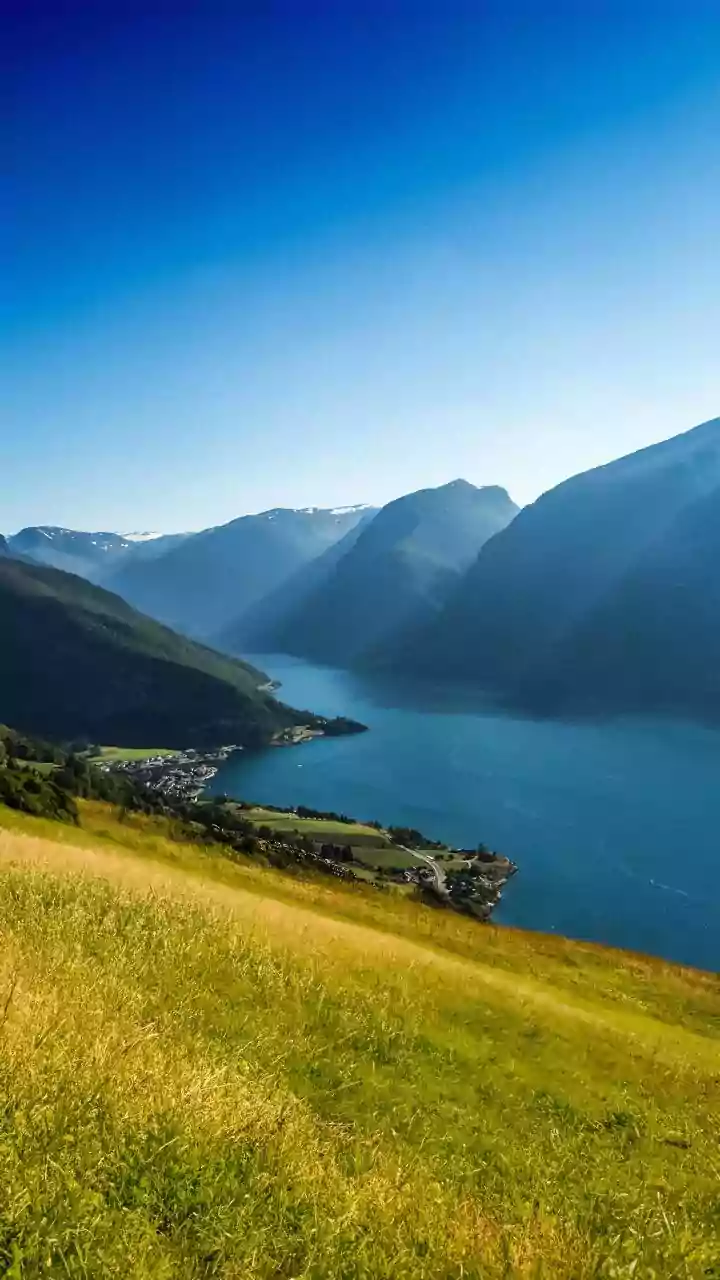
Less crowded than Lofoten but just as spectacular, Senja is Norway's second-largest island and is often called 'Norway in miniature' for its diverse landscapes. The outer coast is defined by dramatic, mountainous fjords, while the interior is gentler with forests and farmland. The National Scenic Route along the western shore offers breathtaking views, but can be challenging in winter. Like Lofoten, Senja offers two distinct experiences. Winter is for aurora hunters and those seeking solitude, with activities like snowshoeing and dog sledding widely available. The period from October to December is transitional, with a mix of rain and snow. Summer unlocks the island's hiking potential, with trails for all abilities and the chance to kayak in crystal-clear waters. A ferry connects Senja with the island of Kvaløya near Tromsø in the summer, and a bridge links it to the mainland year-round, making access relatively straightforward.
Svalbard: The True High Arctic
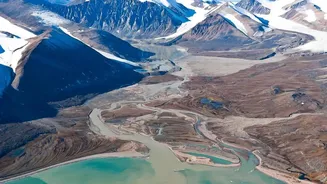
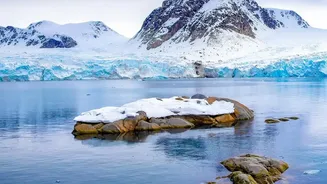
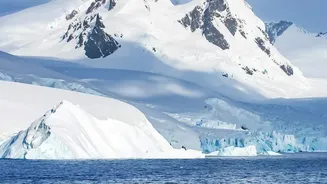
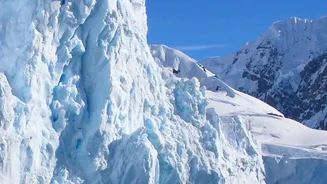
For the ultimate Arctic adventure, nothing compares to Svalbard. This archipelago lies halfway between mainland Norway and the North Pole, a realm of glaciers, ice-flecked fjords, and unique wildlife, including polar bears, walruses, and Arctic foxes. Access is almost exclusively by flight to Longyearbyen, the main settlement. Planning here is less about choice and more about safety; it is highly recommended to join guided tours for any excursions outside Longyearbyen due to the risk of polar bears. The seasons are extreme. The 'Polar Night' from mid-November to late January offers 24-hour darkness, an ideal canvas for the Northern Lights. Conversely, the midnight sun shines from late April to late August. The summer months (June-August) are the most popular, as melting sea ice allows for boat expeditions to explore the coastline and spot wildlife. Even in summer, temperatures rarely exceed 7°C, so dressing in warm, windproof layers is essential year-round.
Sommarøy: The 'Summer Island'
Just an hour's drive from Tromsø, Sommarøy is a small archipelago connected to the mainland by a bridge, making it a very accessible escape. It’s known as the 'Summer Island', famous for its stunning white sandy beaches and turquoise waters that give it a deceptively Caribbean appearance—though the water temperature quickly reminds you that you're in the Arctic. In summer, the main attraction is the midnight sun, which allows for late-night kayaking, paddleboarding, and hiking with incredible light. It's a popular spot for locals and can be busy. In winter, its low light pollution makes it a fantastic place to view the Northern Lights. While it can be a day trip from Tromsø, staying overnight allows you to fully experience the shifting light and serene atmosphere. Due to its exposed coastal location, be prepared for wind and rapid weather changes at any time of year.
Vesterålen: The Year-Round Whale Kingdom
Located between Senja and Lofoten, the Vesterålen archipelago is a quieter alternative best known for one incredible attraction: whales. Andenes, on the northern tip, is one of the few places in the world where whale watching is possible all year. This is thanks to a deep submarine canyon just off the coast that serves as a rich feeding ground. In summer (May-September), safaris primarily encounter sperm whales and you can enjoy the trip under the midnight sun. The winter months (October-January) bring a different spectacle, as herring migrate into the fjords, attracting large numbers of orcas and humpback whales. While access to the islands is reliable via flights and ferries, winter whale watching tours are more subject to cancellation due to rough seas. Planning your trip around the specific species you hope to see is key to making the most of a visit to this marine wonderland.