



It’s Not Just About the Money
For many young professionals and students, cost is a major factor in any decision. However, the move towards shared intercity travel isn't driven by price alone. A recent nationwide survey by IntrCity SmartBus found that while affordability is important,
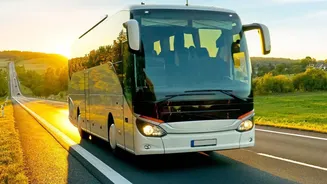
travellers are increasingly focused on the overall value and experience. The survey, which polled over 13,000 people, a majority of whom were between 18 and 43, revealed a telling statistic: even if the costs were identical, nearly 70% would prefer a premium shared bus for a 400-600 km journey over a personal car, train, or flight. This indicates a move away from simply choosing the cheapest option towards selecting the one that provides the best combination of comfort, reliability, and ease. More than 71% of respondents even said they would pay more for better safety and comfort, showing that the definition of a 'good deal' has evolved.
The Age of Digital Convenience
The preference for shared mobility is deeply connected to the digital integration that defines the lives of young Indians. Technology was cited as a very important factor by over 82% of travellers in the survey. The ability to book a seat, track a vehicle in real-time, and pay online through an app removes significant friction from the travel process. Compared to the uncertainties of traditional transport, app-based services offer a level of predictability and control that appeals to a generation accustomed to on-demand services. Key reasons cited for the increased use of shared transport included easier digital access, improved onboard amenities, and, crucially, avoiding the stress and fatigue of driving long distances. For many, the ability to work, relax, or sleep during the journey is a significant productivity and wellness benefit that driving their own car simply can't offer.
Experience Over Ownership
The trend also signals a broader cultural shift where experiences are valued more than possessions. The IntrCity survey found that even among those who own a car, over 30% prefer not to use it for intercity trips. This is part of a larger movement seen among Gen Z and millennials who prioritise flexibility and access over the burdens of ownership. Shared mobility fits perfectly into this asset-light lifestyle. It offers the freedom of travel without the responsibilities of maintenance, insurance, and the mental load of navigating traffic and parking. This generation is more likely to spend on creating memories and unique experiences, and shared travel facilitates that by being both a practical and financially sensible choice that frees up resources for the destination itself.
A Nod to Sustainability
While not always the primary driver, environmental consciousness is a growing factor in the choices young Indians make. Carpooling and shared buses are inherently more eco-friendly than individual car journeys, as they reduce the number of vehicles on the road, thereby lowering carbon emissions and fuel consumption. Reports show a high percentage of young Indian travellers express a desire to travel more sustainably. Choosing shared mobility allows them to align their actions with their values. As concerns about air pollution and climate change become more pronounced, the environmental benefit of sharing a ride offers an added layer of justification for a choice that is already practical and convenient.
Safety as the Top Priority
The viability of the entire shared mobility ecosystem rests on a foundation of trust and safety. The survey highlighted that safety is the single most influential factor for travellers when choosing a service, ranking even ahead of affordability. At the same time, safety concerns remain the biggest barrier for those yet to adopt these services. Organised players in the sector have responded by integrating features like GPS tracking, verified driver profiles, customer support, and, in some cases, female-only sections. This technological layer of security has been crucial in building confidence and making it feasible for people, especially women and solo travellers, to share a vehicle with strangers for long-distance journeys.