


Mahendra Singh Dhoni: From Ticket Collector to Trophy Collector
Before he was 'Captain Cool', leading India to multiple World Cup victories, Mahendra Singh Dhoni was a young man from Ranchi with a government job. His father, a pump operator, wanted him to have a stable future. For a period, Dhoni worked as a Travelling
Ticket Examiner (TTE) at Kharagpur railway station, balancing his railway duties with his passion for cricket. This chapter of his life, famously depicted in his biopic, highlights the crossroads he faced: a secure but ordinary life versus the uncertain, ambitious path of a professional cricketer. His decision to choose the latter, leaving behind the safety of a railway job, is a testament to his immense self-belief and dedication to the sport that would eventually make him a legend.
Mohammed Siraj: A Father's Dream in an Auto-Rickshaw
Mohammed Siraj's journey to the pinnacle of fast bowling was fueled by his father's relentless hard work. Mohammed Ghaus, an auto-rickshaw driver in Hyderabad, drove for years to support his son's cricketing dream. Siraj grew up in a humble home, and his family faced significant financial difficulties. There were times he played in slippers because they couldn't afford proper cricket shoes. His father was his biggest supporter, and Siraj's first major earnings from the IPL went towards telling his dad he could finally rest. Tragically, his father passed away while Siraj was on tour in Australia in 2020. Choosing to stay with the team, he channeled his grief into a fiery performance, fulfilling the dream his father had nurtured with every fare he earned.
Jasprit Bumrah: The Boy with the Makeshift Pitch
Jasprit Bumrah's unique, deadly bowling action has its roots in a simple childhood dilemma. After losing his father at the age of five, Bumrah was raised by his mother, a school principal, who single-handedly managed the household. As a child, he would practice bowling for hours inside their home. To avoid making too much noise and disturbing his mother's sleep, he learned to aim for the skirting board where the wall meets the floor. This repetitive, precise practice not only developed his lethal yorker but also helped create his unorthodox and highly effective bowling style. He had just one pair of shoes and one T-shirt, which he would wash and wear daily, a powerful reminder of his tough beginnings.
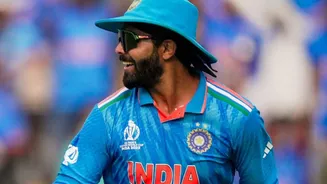
Ravindra Jadeja: The Watchman's Son Who Guarded His Dream
All-rounder Ravindra Jadeja grew up in a one-room flat in Jamnagar, the home allotted to his mother who was a nurse in a government hospital. His father, Anirudh, worked as a watchman for a private security agency to make ends meet. His father wanted him to join the army, but Jadeja was fiercely passionate about cricket. The family's financial struggles were immense. Tragedy struck when Jadeja lost his mother in an accident in 2005, a loss so profound it almost made him quit cricket. Supported by his sister, he pushed through the grief, channeling his energy onto the field and eventually becoming the world-class all-rounder India knows today.
Hardik Pandya: Surviving on 'Maggi' to Make It Big
The flamboyant style of Hardik Pandya was forged in extreme financial hardship. His father shut down his small car_finance business in Surat and moved the family to Vadodara to provide better cricket training for Hardik and his brother Krunal. However, the business didn't take off in the new city, and after his father suffered heart attacks, the family's sole source of income disappeared. The Pandya brothers famously survived on a diet of Maggi noodles for about a year, as they couldn't afford proper meals. They would play in local village tournaments to earn a few hundred rupees, often borrowing cricket bats to even be able to play. This period of intense struggle instilled in him the resilience and 'never_say_die' attitude that defines his explosive brand of cricket.