

The Building Blocks: What Are Amino Acids?
Think of protein as a long chain made of smaller links called amino acids. Your body uses 20 different amino acids to build and repair tissues, from muscles to skin. Of these, nine are called 'essential amino acids' because your body cannot produce them
on its own; they must come from the food you eat. These nine are histidine, isoleucine, leucine, lysine, methionine, phenylalanine, threonine, tryptophan, and valine. When a food contains all nine in sufficient amounts, it's considered a 'complete protein'. Animal-based foods like meat, eggs, and dairy are classic examples. However, many plant-based foods are also excellent protein sources, especially when combined thoughtfully.
Understanding Protein Quality
Not all protein sources are created equal in terms of their amino acid profile and digestibility. Scientists use scoring systems to measure a protein's quality. The most common one has been the Protein Digestibility Corrected Amino Acid Score (PDCAAS), which measures how well a protein provides essential amino acids after digestion. A newer, more precise method called the Digestible Indispensable Amino Acid Score (DIAAS) is now recommended by organizations like the Food and Agriculture Organization (FAO). These scores help determine how efficiently your body can use a protein. While animal proteins often score high, many plant proteins can be just as effective when you understand how to pair them.
The Perfect Partnership of Grains and Legumes
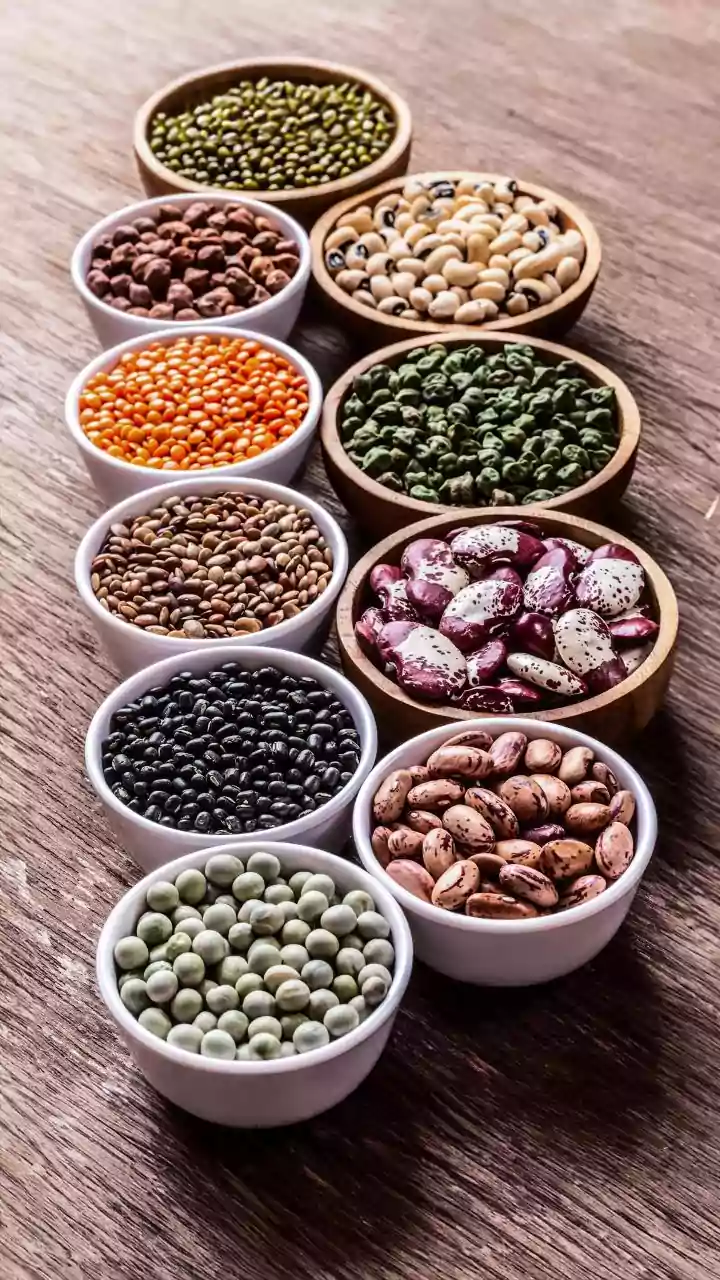
This is where the magic happens. Most plant foods are considered 'incomplete' proteins because they are low in one or more essential amino acids. Grains (like rice, wheat, and corn) are typically low in the essential amino acid lysine but contain adequate amounts of methionine. Legumes (like lentils, beans, and chickpeas) are the perfect partner—they are rich in lysine but low in methionine. When you eat them together, their amino acid profiles complement each other, creating a complete protein package that supplies all nine essential amino acids your body needs. This concept is known as protein complementation.
Classic Combinations You Already Love
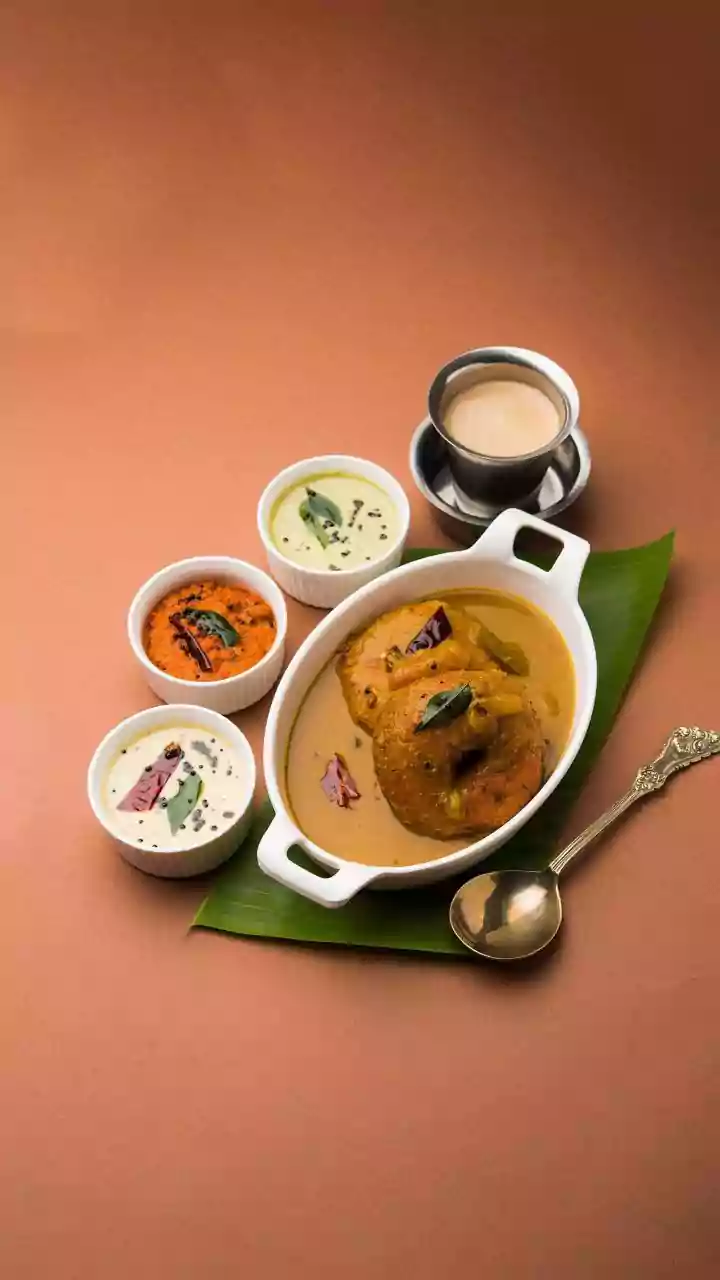
The principle of combining grains and legumes isn't a new diet fad; it's the foundation of traditional cuisines across India and the world. Think about some of the most comforting and staple meals: Dal with rice is a perfect example, where lentils (dal) provide the lysine that rice lacks, and rice provides the methionine that dal is low in. The same logic applies to rajma-chawal, chana with roti, or a simple moong dal khichdi. Other global examples include beans and tortillas in Mexican cuisine, hummus (chickpeas) with pita bread (wheat) in the Middle East, and even a peanut butter sandwich on whole-wheat bread.
Do You Need to Combine Them in Every Meal?
In the past, it was believed that you had to eat complementary proteins in the same meal for your body to use them effectively. However, nutrition science has since updated this view. Research now shows that your body maintains a 'pool' of amino acids from the foods you eat throughout the day. This means that as long as you consume a variety of plant-based protein sources—legumes, grains, nuts, and seeds—over the course of a day, your body can pull the necessary amino acids to create complete proteins when needed. So, you don't need to stress about perfectly pairing every single meal.