



The Art of a 'Good' Spoilage
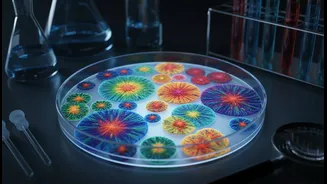
At its core, fermentation is the process of using microorganisms like bacteria and yeast to convert carbohydrates—sugars and starches—into alcohol or acids. Think of it as a form of highly-controlled, desirable spoilage. These tiny organisms act as natural
preservatives while also creating distinct, complex flavours that are impossible to achieve otherwise. This biochemical reaction has been harnessed by humans for millennia, long before the science was understood, to create everything from bread and beer to cheese and pickles. The process enriches food, creating a huge diversity of flavours, aromas, and textures.
Fermentation vs. Rot: A Tale of Two Microbes
So, what separates a jar of flavourful achar from a forgotten, mouldy vegetable in the back of the fridge? The key difference is control. Spoilage is the result of uncontrolled microbial growth, where harmful pathogens take over, making food unsafe and unpalatable. It's an invasion of unwanted guests. Fermentation, on the other hand, is a carefully managed process. By creating specific conditions—like adding salt to pickles or using a starter culture for dahi—we encourage the growth of beneficial microbes while inhibiting the ones that cause rot. It's the difference between a cultivated garden and an overgrown patch of weeds; one is intentional and yields a desirable outcome, while the other is chaotic and unpredictable.
Meet the Microscopic Chefs in Your Kitchen
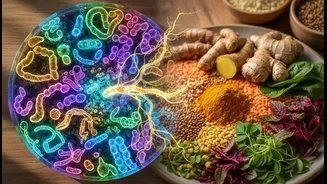
The heroes of fermentation are specific strains of bacteria and yeast. In India, one of the most common is the group of Lactic Acid Bacteria (LAB). These are the powerhouses behind dahi (curd), where they convert the lactose in milk into lactic acid, giving it its characteristic tang and thick texture. In the batter for idli and dosa, a mix of naturally occurring yeasts and bacteria, like Leuconostoc mesenteroides, work together. They produce carbon dioxide, which leavens the batter and creates that soft, airy texture, and lactic acid, which adds flavour and acts as a preservative. These are not random microbes; they are specific workers chosen for the job.
A Taste of Tradition Across India
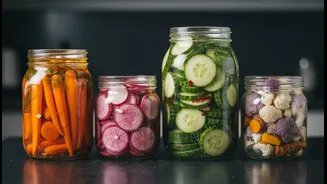
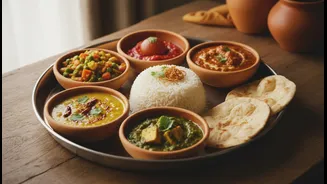
Fermentation is woven into the fabric of Indian cuisine, from the fluffy dhokla of Gujarat to the tangy kanji of the north. In South India, the fermentation of rice and lentil batter is fundamental to daily meals like idli and dosa. In the East, you'll find fermented bamboo shoots and rice-based beverages like handia. Even the humble pickle (achar) often relies on fermentation, where salt creates an environment where only beneficial bacteria can thrive, slowly transforming the vegetables and preserving them for months. These traditions are not just about taste; they are ancient methods of food preservation and nutritional enhancement passed down through generations.
More Than Just Flavour
The benefits of fermentation go far beyond preservation and taste. The process can make food easier to digest by breaking down complex nutrients. For example, fermentation breaks down antinutrients like phytic acid found in grains and legumes, which can interfere with mineral absorption. This makes essential minerals like iron and zinc more available to our bodies. Furthermore, the microorganisms involved can synthesize B vitamins during fermentation. Many fermented foods are also rich in probiotics—live beneficial bacteria that can support gut health and improve immune function, making them a delicious way to boost your overall well-being.