





What Exactly Is Animal Flow?
Forget simply mimicking animals at the zoo. Animal Flow is a structured, ground-based fitness program designed by fitness expert Mike Fitch. It integrates elements from various bodyweight disciplines, including gymnastics, yoga, and breakdancing, into
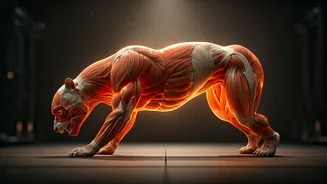
a fluid and challenging workout. The entire system is performed on all fours, using only your body to create resistance and challenge stability. It’s designed to improve not just strength, but also mobility, flexibility, and neuromuscular coordination. Instead of isolating muscles like a crunch or bicep curl, Animal Flow forces your entire body to work as a single, integrated unit, much like animals in the wild move with seamless power and grace.
Redefining Core Strength
The promise of building core strength without weights is central to Animal Flow, but it requires us to think about the “core” differently. It’s not just about achieving a six-pack. True core strength is about stabilization—the ability of your trunk to resist unwanted movement and transfer force effectively through your body. When you’re on your hands and knees in a “Beast” or “Crab” position, your core has to work overtime to prevent your hips from sagging or your torso from twisting. Every limb you lift creates a new challenge for your stabiliser muscles. This is functional strength in action. It’s the kind of strength that protects your spine, improves your posture, and makes you better at literally everything else, from lifting groceries to playing sports.
The Building Blocks: Ape, Beast, and Crab
The system is built on a few foundational positions, often called the “ABCs” of Animal Flow. Mastering these is your first step.
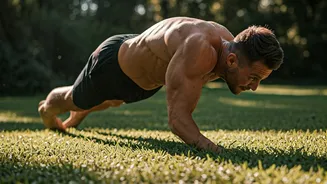
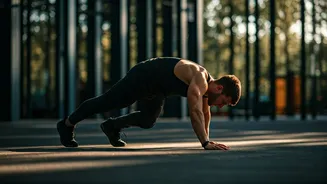
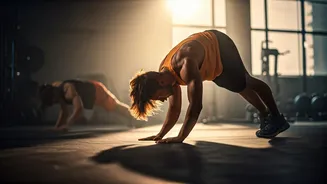
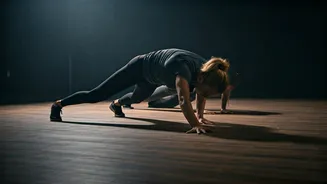
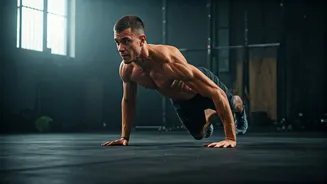
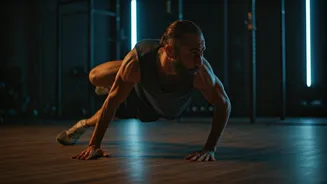
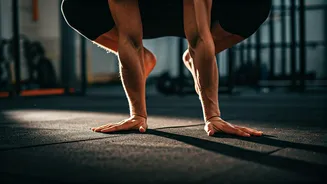
Beast: This is your starting point for many flows. From a tabletop position on your hands and knees, you lift your knees just an inch or two off the ground. Your weight is on your hands and toes. Just holding this position fires up your quads, shoulders, and entire core.
Crab: Sit on the floor with your feet flat and hands behind you, fingers pointing towards your feet. Lift your hips up into a “crab walk” position. This opens up the chest and shoulders while engaging your glutes, hamstrings, and the posterior chain of your core.
Ape: This is a deep squat position. The goal is to sit low with your heels on the ground, promoting hip and ankle mobility. From here, you can learn to perform movements like the “Ape Reach” to challenge your balance and control.
The Magic Is in the Flow
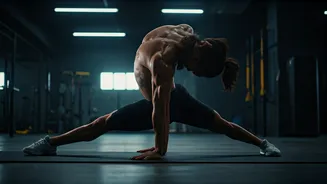
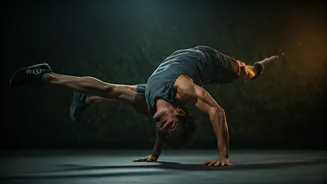
While the static positions are challenging, the real beauty of Animal Flow is in the transitions. The program teaches specific, named movements that link the ABCs together. An “Underswitch,” for example, is a graceful transition where you rotate your body under your base of support, moving from Beast to Crab. A “Scorpion Reach” is a dynamic stretch that combines a leg reach with thoracic rotation. These transitions are what turn the workout into a “flow.” They challenge your coordination, proprioception (your sense of where your body is in space), and your ability to control movement through multiple planes of motion. It’s this combination of static holds and dynamic transitions that makes the workout so comprehensive and effective.
How to Get Started Safely
The great thing about Animal Flow is its scalability. You can start with the most basic positions and hold them for short periods. Focus on quality over quantity. Your wrists will be under a lot of load, so it’s crucial to warm them up properly with circles and stretches. If you have wrist pain, you can perform some moves on your fists or on parallettes. The best way to learn is from a certified instructor who can provide real-time feedback on your form. However, if you’re starting at home, begin by watching tutorials from the official Animal Flow program. Master the basic positions first before attempting complex flows. Listen to your body and don’t push through pain.