







Why Monsoon Weakens Digestion
According to Ayurveda, the ancient Indian science of life, the monsoon or 'Varsha Ritu' is a season when our digestive fire, known as 'Agni', naturally weakens. The increased humidity, dampness, and cloudy skies are believed to disturb the body's internal
balance, specifically aggravating the 'Vata' and 'Pitta' doshas. This leads to a sluggish digestive system, making it harder for the body to process food efficiently. A weakened Agni can result in the formation of 'ama', or undigested metabolic waste, which is considered the root cause of many ailments. This isn't just an ancient belief; modern science also notes that high humidity and environmental changes can affect our metabolism and make us more susceptible to infections, especially waterborne ones that are more common this season. Common symptoms of this seasonal digestive slowdown include bloating, gas, acidity, a feeling of heaviness after meals, and a general loss of appetite.
The Problem with Raw Salads
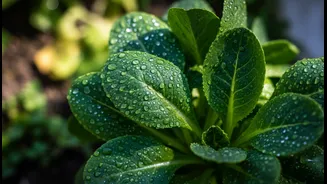
While salads are packed with nutrients, they pose a dual challenge during the monsoon. Firstly, from an Ayurvedic perspective, raw foods are cool, dry, and rough in nature. These qualities can further aggravate the already imbalanced Vata dosha, which is dominant in the rainy season. Consuming raw vegetables requires a strong digestive fire (Agni) to break down their complex fibres, like cellulose, which our bodies can't digest on their own. When Agni is already weak, eating raw salads can lead to increased bloating, gas, and discomfort. Secondly, there is a higher risk of contamination. The damp and humid monsoon environment is a perfect breeding ground for bacteria, viruses, and fungi. Raw vegetables, especially leafy greens, can harbour microbes and dirt that are difficult to wash away completely, increasing the risk of stomach infections, diarrhoea, and food poisoning.
Why Cooked Food Is Your Friend
The simple act of cooking transforms food, making it a much better choice for the monsoon. Cooking is essentially a form of pre-digestion. The heat breaks down tough plant fibres, like cellulose, making vegetables softer and much easier for a sluggish gut to handle. This process makes nutrients more bioavailable, meaning your body can absorb the vitamins and minerals more effectively. From an Ayurvedic standpoint, warm, cooked food is grounding and helps to pacify the aggravated Vata dosha. It supports and kindles the weak Agni, enhancing digestion rather than burdening it. Furthermore, cooking at a sufficient temperature effectively kills most harmful bacteria and germs, significantly reducing the risk of foodborne illnesses that are prevalent during the rainy season.
Embrace These Warm Alternatives
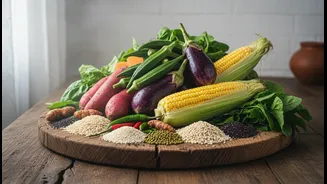
Switching from raw to cooked doesn't mean your meals have to be boring. The monsoon is the perfect time to enjoy a variety of comforting and nutritious cooked dishes. Hearty soups and broths, made with seasonal vegetables like bottle gourd, pumpkin, and carrots, are excellent choices as they are nourishing and easy to digest. Lightly steamed or sautéed vegetables, seasoned with digestive spices like ginger, cumin, turmeric, and black pepper, can help stimulate your Agni. Think of dishes like a classic 'khichdi'—a simple porridge of rice and lentils—which is considered a complete meal and is incredibly gentle on the stomach. Even if you crave a salad, consider a warm one made with steamed or grilled vegetables instead of raw ones.