






Tyres: Your Only Grip on Slippery Roads
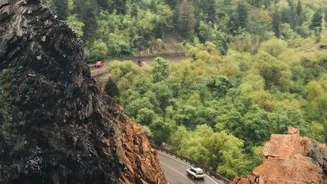
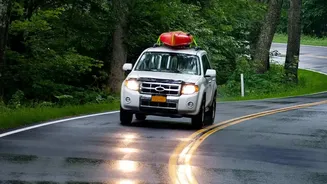
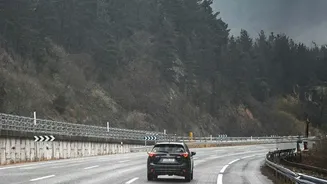
Your tyres are the first and most critical line of defence against slippery monsoon roads. On winding hill roads, traction is everything. Wet surfaces dramatically increase braking distances and the risk of hydroplaning, where your car essentially skates
on a layer of water. Before starting your trip, ensure your tyres have a tread depth of at least 3mm. This depth is crucial for channelling water away and maintaining grip. Worn-out tyres are a major cause of accidents on wet roads. Also, check the air pressure in all five tyres, including the spare. Incorrect pressure affects handling, braking, and fuel efficiency. Look for any visible cracks or damage, as these can worsen quickly under the stress of mountain driving.
Brakes: The Ultimate Safety Net
Your car’s braking system works overtime on steep inclines and declines. In the monsoon, its effectiveness can be compromised. Wet brake pads and discs increase the distance it takes to stop your car. Before your trip, listen for any squealing or grinding noises when you apply the brakes, as this could signal worn-out brake pads. If the brake pedal feels spongy or the car pulls to one side when braking, get the system inspected by a professional immediately. Also, check the brake fluid level and colour; if it's dark or cloudy, it may have absorbed water and needs to be flushed and replaced. A crucial tip for hill driving is to use lower gears on descents to avoid overheating and wearing out your brakes.
Visibility: Seeing and Being Seen
Heavy rain and fog are common in the hills during monsoon, drastically reducing visibility. Your wipers, lights, and defogger are essential for safety. Inspect your wiper blades for cracks or hardness caused by summer heat; if they streak or squeal, replace them. A clean sweep is vital for a clear view. Top up your windshield washer fluid, preferably with a proper cleaning solution that can cut through road grime. Next, check all your lights: headlights (both high and low beam), tail lights, brake lights, and indicators. In low visibility, turning on your low-beam headlights makes you visible to other drivers without blinding them. Ensure your front and rear defoggers are working correctly to prevent the windshield from fogging up on the inside.
Engine and Electricals: Preventing a Breakdown
The damp monsoon weather can be harsh on your car's engine and electrical systems. A breakdown in a remote hilly area is far more than an inconvenience. Start by checking your car's battery. Dampness can accelerate corrosion on the terminals, leading to starting trouble. Ensure the connections are tight and clean. Check the levels of all essential fluids, including engine oil, coolant, and power steering fluid. Overheating is a risk during slow, steep climbs, making the coolant level especially important. Also, visually inspect the engine bay for any loose wiring or cracked hoses, as water seeping into the electrical system can cause significant problems.
Emergency Kit: Your Roadside Companion
Even with meticulous preparation, things can go wrong. A well-stocked emergency kit is crucial, especially for hill travel where help might be hours away. Your kit should be tailored for monsoon conditions. Essential items include a tow strap, jumper cables, a powerful flashlight with extra batteries, and a basic toolkit. A first-aid kit is non-negotiable. Add items like a raincoat, an umbrella, and a few large, dry towels. Given the possibility of getting stranded due to landslides or traffic, it is wise to carry a phone power bank, drinking water, and some non-perishable snacks. A puncture repair kit can also be a lifesaver on roads where the nearest help is far away.