





The Science of a Sizzle
At its heart, tadka, also known as chhaunk or tempering, is a flavour infusion technique. The magic lies in using hot fat—like ghee or oil—as a solvent. Most of the aromatic compounds responsible for a spice’s unique character are fat-soluble, not water-soluble.
This means that simply boiling spices in water won't unlock their full potential. Heat causes the tough cell walls of the spices to rupture, releasing their volatile essential oils. The hot fat then captures these oils, becoming a carrier that distributes deep, complex flavour evenly throughout a dish, whether it's dal, a vegetable curry, or a simple raita. This process transforms raw, dusty-tasting spices into a vibrant, aromatic foundation.
Finding the 'Goldilocks Zone' of Heat
The success of a tadka hinges on temperature. The oil must be hot enough to make the spices 'bloom' and release their fragrant oils, but not so hot that it destroys them. If the oil is too cool, spices will just soak in it without activating. If it's overheated and smoking, it will scorch the delicate compounds in seconds, resulting in an acrid, bitter taste that can ruin an entire meal. The ideal temperature is generally between 130–150°C. For the home cook, the best indicators are sensory: the oil should be shimmering but not smoking. A single cumin seed dropped in should sizzle immediately, signalling the fat is ready.
The Sequential Art of Adding Spices
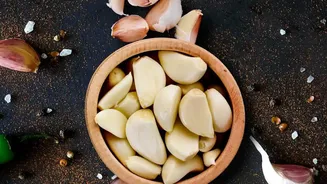
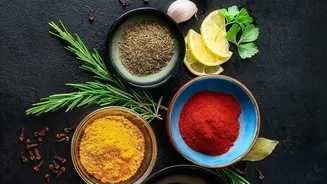
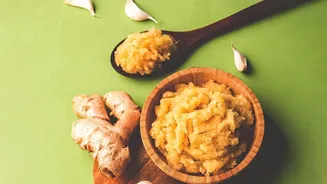
Not all spices are created equal; they have different structures and burning points, which is why the order they are added to the pan is critical. The general rule is to start with spices that need the most time and heat, and end with those that cook quickly. Whole seeds like mustard and cumin go in first, as they need higher heat to crackle and pop, which is the audible sign they are releasing their oils. Once they are active, other aromatics like chopped garlic, ginger, or curry leaves can be added. These ingredients contain moisture, which helps to slightly lower the temperature of the oil. Ground spices, such as turmeric, chilli powder, and asafoetida (hing), have a massive surface area and can burn almost instantly. They should always be added last, often just seconds before the tadka is poured into the main dish or a liquid is added to the pan to stop the cooking process.
When Good Tadka Goes Bad
An overheated tadka is a common kitchen mishap. You'll know it by the smell—a sharp, smoky, and bitter odour instead of a fragrant one—and the appearance of blackened, not toasted, spices. When spices burn, they undergo a process called pyrolysis, or destructive distillation. This chemical change creates unpleasant, acrid compounds that cannot be salvaged. At this point, the best course of action is to discard the tadka and start again. A bitter tempering will impart its harsh flavour to the entire dish, and no amount of subsequent cooking can fix it. Paying close attention for the 30-60 seconds it takes to make a tadka is the best prevention.
Mastering the Technique at Home
You don’t need a thermometer to perfect your tadka. The key is preparation and attention. Have all your spices measured and ready before you even heat the oil. Use a small, thick-bottomed pan that provides even heat distribution. Heat the pan over a moderate flame, then add the oil and watch for it to shimmer. Add your whole spices and listen for the sizzle and pop. As soon as they become fragrant, add any aromatics, followed by the quick-cooking ground spices. Keep everything moving to prevent burning. As soon as the ground spices release their aroma, immediately pour the infused oil over your lentils, vegetables, or yogurt. The temperature shock releases a final burst of steam and aroma, announcing that the dish has been transformed.