








Not Just for Boating Anymore
The term ‘dry bag’ often conjures images of hardcore kayaking or rafting trips. While they excel in those environments, their true value lies in everyday travel scenarios. Think of the sudden monsoon shower in Mumbai, the unpredictable drizzle during
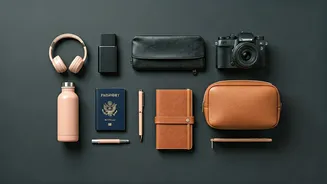
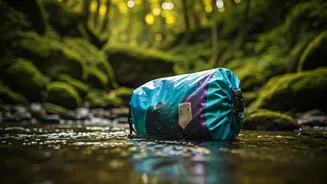
a day of sightseeing in London, or even a spilled drink on a crowded train. A dry bag acts as a personal, portable fortress for the things you can't afford to get wet: your phone, camera, power bank, passport, and wallet. By placing these items inside a small dry bag and then stowing it in your main backpack or purse, you create a sealed, protected inner sanctum. It transforms your everyday bag into a weather-resistant carryall, providing peace of mind whether you're navigating a bustling city or a tranquil beach.
Understanding 'Puncture Proof'
Let’s be realistic: the term ‘puncture proof’ is marketing shorthand for 'incredibly durable'. No flexible bag is truly impervious to a determined sharp object. However, what this label signifies is a huge leap in resilience compared to a standard plastic bag or backpack liner. These dry bags are typically constructed from materials like high-denier ripstop nylon or fabrics coated with Thermoplastic Polyurethane (TPU). Ripstop fabric has a special weave that prevents small tears from spreading, while TPU coatings provide a tough, abrasion-resistant, and waterproof layer. This means your bag can withstand being scraped against rough surfaces, jostled with keys in a backpack, and generally endure the rigours of travel without easily tearing or failing. It’s protection against the accidental, everyday hazards that can compromise lesser bags.
The ‘Ultra Lightweight’ Advantage
In an era of shrinking airline baggage allowances and the rising popularity of one-bag travel, every gram counts. This is where ultra lightweight dry bags truly shine. A small 5-litre bag, perfect for electronics and documents, can weigh as little as 30-50 grams and pack down to the size of a lemon. This minimal weight and volume means there is virtually no penalty for carrying one. You can tuck it into a pocket of your backpack or luggage and forget it’s there until you need it. Unlike bulky, heavy-duty dry bags made from thick PVC, these lightweight versions offer robust water and tear protection without demanding a sacrifice in your precious weight budget. It’s a high-reward, zero-cost addition to any packing list.
A Multipurpose Travel Tool
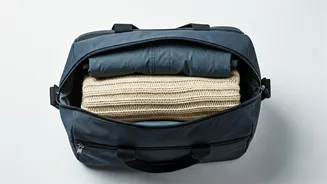
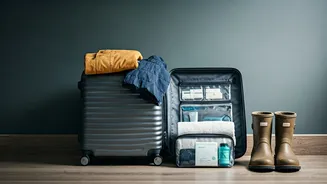
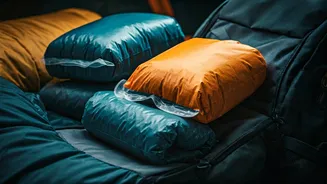
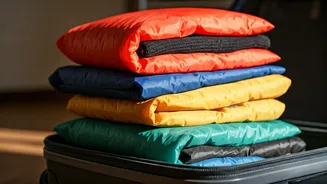
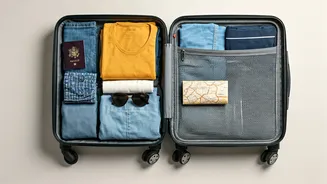
The utility of a dry bag extends far beyond waterproofing. Their simple, effective design makes them one of the most versatile items in a traveller’s arsenal. Need to separate dirty or damp laundry from your clean clothes? A dry bag is the perfect, odour-containing solution. They are also fantastic for organization, allowing you to compartmentalize your pack by keeping all your electronics, toiletries, or snacks in one colour-coded, easy-to-find pouch. For backpackers looking to save space, a larger dry bag can double as a compression sack. Simply load it with soft items like a jacket or sleeping bag, roll it down tightly to expel the air, and seal it. This can significantly reduce the volume of bulky items, freeing up valuable space in your pack.
How to Choose the Right One
Choosing a dry bag is simple once you know what to look for. The most important feature is the closure system; the vast majority use a roll-top design. You simply fold the top lip over on itself at least three times and then clip the buckle to create a waterproof seal. For sizing, consider your needs. A 2L to 5L bag is ideal for your pocket essentials like a phone, wallet, and passport. A 10L to 15L bag works well as a liner for a small daypack or to protect a tablet and a camera. A 20L or larger bag is great for protecting a change of clothes or acting as a compression sack. Look for bags with taped seams, which provide an extra layer of waterproofing where the fabric panels are stitched together. This small detail is often the difference between a water-resistant bag and a truly waterproof one.