




The End of Endless Note-Taking
If you've ever been the designated note-taker in a meeting, you know the struggle: trying to listen, contribute, and type simultaneously often means doing all three poorly. Important nuances are missed, and participation suffers. Automated AI meeting transcription
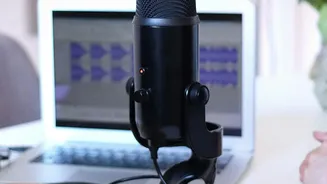
tools solve this fundamental problem. These software assistants join your virtual meetings on platforms like Zoom, Google Meet, and Microsoft Teams, acting as a dedicated scribe. They work by using advanced speech recognition to convert spoken words into a detailed text transcript in real time, freeing every participant to focus entirely on the conversation. This isn't just about convenience; it's a strategic shift that boosts engagement and ensures that every detail is captured without bias or human error. The result is a complete, searchable record of the discussion, created automatically the moment the meeting ends.
More Than Just a Transcript
The real power of modern AI meeting assistants lies beyond simple transcription. These tools use natural language processing (NLP) to analyze the conversation's content and structure. They can automatically distinguish between different speakers, making the transcript easy to follow. More importantly, they distill hours of discussion into concise, digestible summaries that highlight the most critical points. The key feature, as the headline suggests, is the ability to identify and extract actionable items. The AI is trained to recognize phrases that signal a task, such as "Anil will send the report by Friday," and compiles these into a clear to-do list. This transforms a passive record into a proactive project management tool, ensuring decisions lead to concrete next steps and accountability is built directly into the post-meeting workflow.
Finding the Right Tool for Your Workflow
The market for AI meeting assistants is growing, with popular options including Otter.ai, Fireflies.ai, and platform-native tools like Zoom AI Companion and Microsoft Copilot. However, the 'best' tool depends entirely on your team's specific needs. When evaluating options, consider factors beyond transcription accuracy. Look for seamless integration with your existing software, such as Slack, Asana, or your company's CRM. This allows action items and summaries to flow directly into the platforms where you already manage work. Also consider multilingual support if you have a global team, and robust collaboration features that allow colleagues to comment on or edit the transcript. For many businesses, a tool that is part of a larger productivity suite may offer the most streamlined experience.
Integrating AI into Your Meeting Culture
Adopting a new tool is only half the battle; integrating it effectively into your team's culture is what drives real change. To get the most out of an AI assistant, encourage clear habits during meetings. For instance, explicitly stating action items and assigning owners by name will significantly improve the AI's accuracy in task detection. Use the generated summaries as the foundation for follow-up communications, ensuring everyone is aligned on outcomes. These transcripts and summaries also create an invaluable, searchable knowledge base over time. New team members can get up to speed on past projects, and anyone can quickly reference a decision without having to ask a colleague or dig through old emails. This practice not only saves time but also supports more effective asynchronous collaboration.
A Note on Privacy and Security
While the productivity gains are significant, using AI to record and process conversations requires careful attention to privacy and security. Always inform all participants that the meeting is being recorded and transcribed, as this is a legal requirement in many regions. Before adopting any tool, thoroughly review its privacy policy and terms of service. Understand how your data is stored, whether it's encrypted, and if the vendor uses your conversations to train their AI models. For businesses handling sensitive information, it is crucial to choose enterprise-grade solutions that offer robust security controls and data protection agreements to prevent accidental disclosure or misuse of confidential information.