






The Annual Anticipation
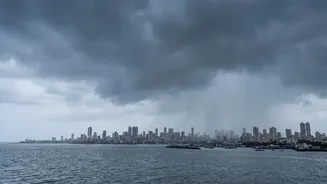
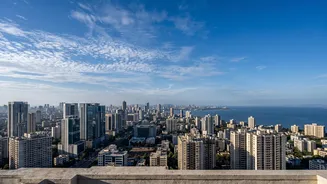
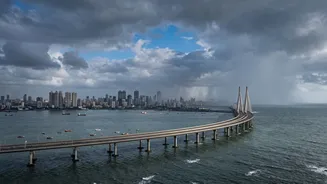
Every year, as May gives way to June, Mumbai collectively holds its breath. The arrival of the southwest monsoon is more than just a weather event; it's a crucial lifeline that replenishes the city's water supply, provides relief from scorching heat,
and dictates the rhythm of life for months. Officially, the India Meteorological Department (IMD) has set the normal onset date for Mumbai around June 11. This date serves as a benchmark against which the city measures each year's progress, from the first pre-monsoon showers to the full-blown arrival that signals a shift in seasons.
A Sense of Shifting Timelines
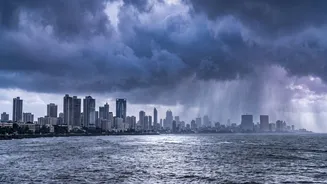
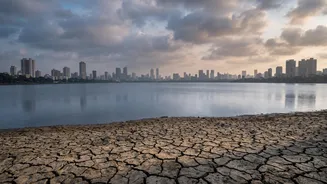
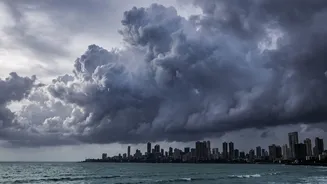
In recent years, however, public perception is that this schedule is becoming less reliable. Anecdotally, the monsoon seems to be playing by new rules. There's a growing feeling that the onset is often delayed, sometimes pushing towards the end of June. For instance, in both 2019 and 2023, the monsoon officially arrived on June 25, among the latest in the past decade. This year, forecasters again pushed the expected date back. This contrasts sharply with memories of earlier, more punctual arrivals. Beyond just the date, people notice a change in character—fewer gentle, persistent showers and more instances of prolonged dry spells broken by sudden, aggressive downpours that can quickly flood the city.
What Does the Official Data Say?
When meteorologists look at the data, the picture becomes more complex. While recent years have certainly seen significant delays, they also include years with timely or even early onsets. Scientists from the IMD caution that a few years of late arrivals do not automatically constitute a new, permanent trend. Natural, year-to-year variability is a hallmark of the monsoon system, influenced by large-scale climate phenomena like El Niño and La Niña. An El Niño year, for example, is often associated with a weaker monsoon and delayed onset. To scientifically declare a new 'normal' arrival date, climatologists require at least 30 years of consistent data. Until then, these recent deviations are considered within the realm of natural fluctuation, albeit at the later end of the spectrum.
The Undeniable Influence of Climate Change
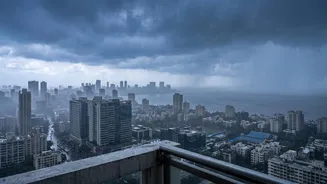
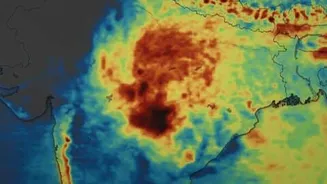
While a permanent shift in the onset date remains unconfirmed, there is broader consensus on another, perhaps more critical, change: the monsoon's behaviour is becoming more extreme due to climate change. Climate scientists point out that a warmer atmosphere and rapidly heating oceans, particularly the Arabian Sea, are making rainfall events shorter but far more intense. So, even if the total volume of rain over the season doesn't change much, it's arriving in more powerful, concentrated bursts. This pattern increases the risk of the urban flooding that frequently paralyses Mumbai. Studies indicate that average monsoon rainfall in Mumbai has already increased, and projections suggest the city could face nearly an additional week of heavy rainfall in the future.
Why Experts Remain Cautious
The core reason experts need more evidence is to separate short-term variability from a long-term structural shift in the monsoon system. Declaring a new trend prematurely would have massive implications for agriculture, water management, and disaster preparedness. Scientists are meticulously tracking multiple factors, including sea surface temperatures, atmospheric pressure gradients, and wind patterns, to understand the underlying mechanics. While climate change is clearly making the monsoon more erratic and intense, its specific effect on the onset timing is still a subject of active research. The delay might be influenced by El Niño, while the intensity is supercharged by global warming, creating a complex and difficult-to-predict interaction.