






Embrace the Monsoon's Pace
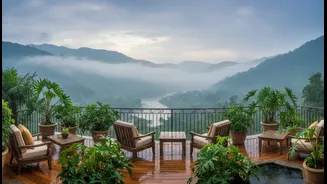
To truly experience the Western Ghats during the rains, the first rule is to slow down. The annual transformation of this ancient mountain range is a spectacle of nature operating at full intensity. Dusty brown hills shed their summer coats and burst
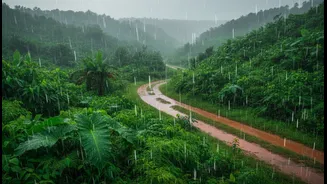
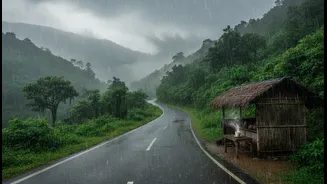
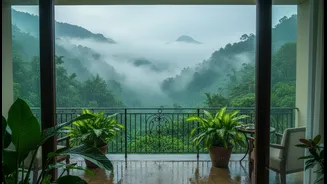
into a thousand shades of electric green. This is not the time for ambitious itineraries or racing between tourist spots. Instead, the joy lies in the journey itself: the winding roads shrouded in mist, the sudden appearance of a cascading waterfall where none existed yesterday, and the sheer, overwhelming vitality of the landscape. A slow drive allows you to pull over safely for that perfect photograph, to listen to the orchestra of frogs, and to simply be present in a world that feels reborn. It is a sensory reset, a reminder that sometimes the best travel plan is to have no rigid plan at all.
Iconic Drives, Reimagined by Rain
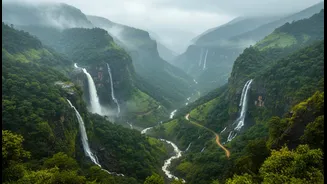
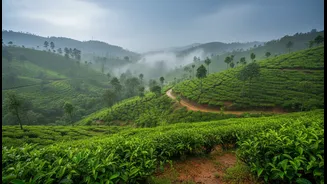
The classic road trips through the Ghats become entirely new experiences in the monsoon. The popular drive from Mumbai or Pune towards Lonavala and Mahabaleshwar is a prime example. Hills that are barren for months become a wall of green, streaked with silver waterfalls. Viewpoints like Tiger Point in Lonavala offer the surreal experience of watching clouds drift past at eye level. Further south, the routes through Karnataka’s coffee country—around Coorg, Chikmagalur, and Agumbe—are equally magical. Driving through the mist-laden coffee estates of Coorg or the dense rainforests of Agumbe, often called the 'Cherrapunji of the South' for its heavy rainfall, feels like entering another world. In Kerala, the road to Munnar climbs through some of the highest tea plantations in India, which take on a deep, saturated green against the rain-washed sky.
Short Excursions and Waterfall Wonders
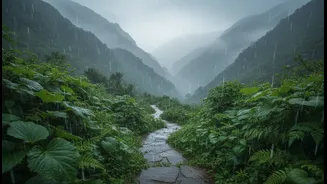
While long, arduous treks can be risky during peak rains, the season is perfect for short, accessible excursions. Many trails around popular hill stations are well-suited for a gentle walk. A stroll around the perimeter of Bhushi Dam in Lonavala or to viewpoints like Raja's Seat in Coorg can be immensely rewarding. The monsoon's greatest gift is the countless waterfalls that spring to life. You don't need to trek for hours to witness their power; many are visible right from the main roads. For those seeking a slightly more immersive experience, short, guided walks to falls like Abbey Falls in Coorg or the trails in Mollem National Park in Goa offer a safe way to get closer to the action without overcommitting. Always check local conditions and advice before setting out, as paths can be slippery and water levels can change rapidly.
The Joy of a Roadside Halt
A significant part of the slow travel experience is embracing the simple pleasures found along the way. The quintessential monsoon snack, bhutta (roasted corn on the cob), tastes infinitely better when bought from a roadside stall, with mist swirling around you. These small halts are where memories are made. Stopping for a steaming cup of masala chai or a plate of hot onion pakoras while watching the downpour from a tiny tea shop is a ritual that connects you to the local rhythm of life. In Maharashtra, you might find vendors selling spicy vada pav, a perfect warm-up on a cool, rainy day. These pitstops are not just about food; they are about soaking in the atmosphere and enjoying the comfort of simple, hot food in the midst of nature's grandest show.
Essential Monsoon Travel Advice
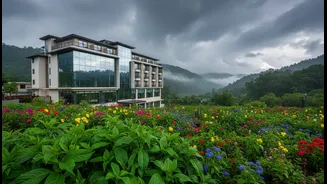
Travelling during the monsoon requires some preparation. Your vehicle should be in good condition, with tyres that have excellent grip. Drive slowly and cautiously, as roads can be slippery and visibility poor due to fog. Pack waterproof jackets and bags to protect yourself and your electronics. Sturdy, comfortable footwear with good traction is non-negotiable. While the rains bring beauty, they can also bring landslides and roadblocks, so it is crucial to check weather forecasts and local news before and during your trip. Given the popularity of monsoon travel, it's wise to book accommodation in advance, especially on weekends. With a little planning, you can safely enjoy the unparalleled beauty of the Ghats in their most dramatic season.