
The End of the ‘Guest-Only’ Room
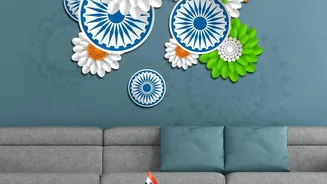
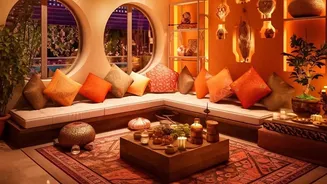
For generations, the Indian drawing room was a space of performance. It housed the best sofa, the most intricate coffee table, and was often out of bounds for the family's daily activities. It was a room designed to impress, a static symbol of status
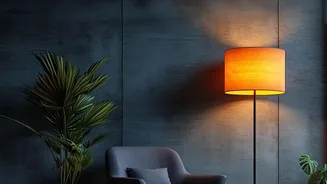
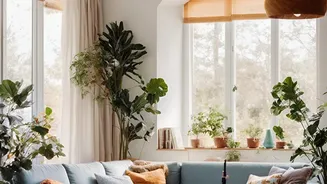
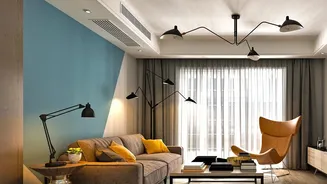
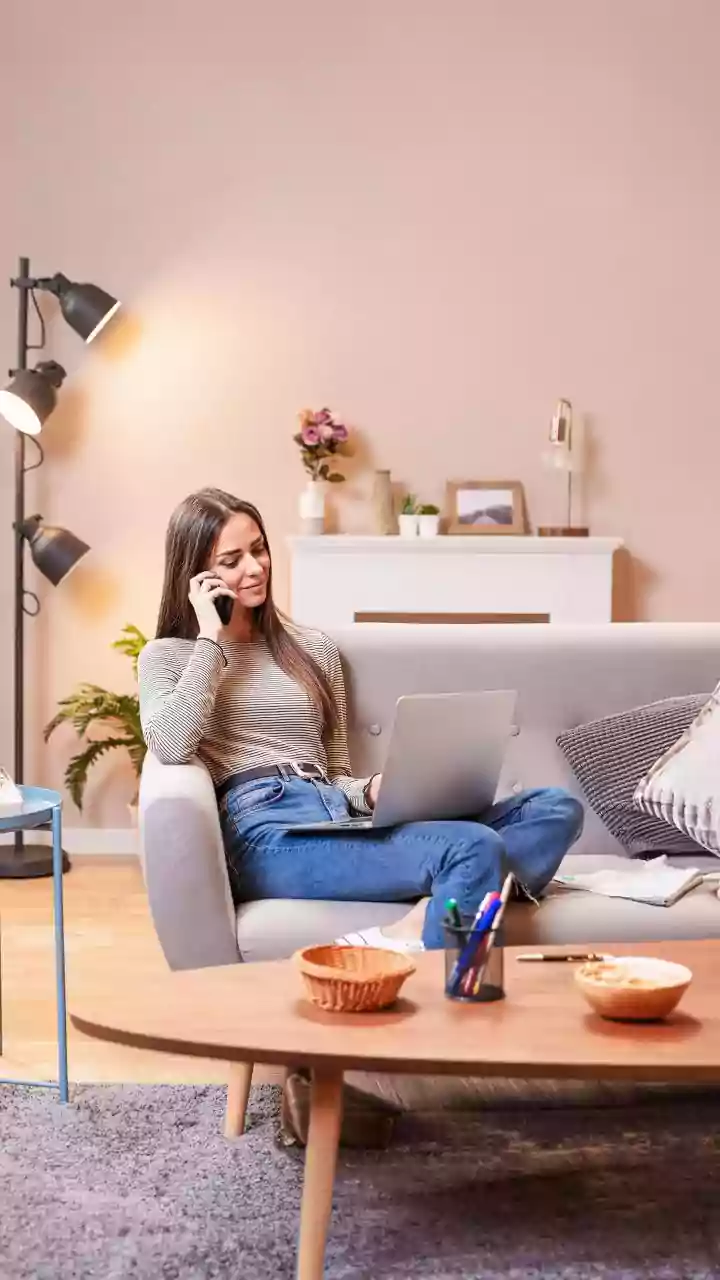
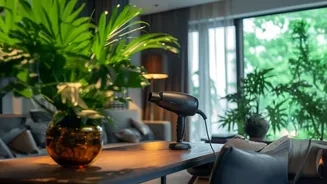
kept in perfect order for the occasional visitor. That era is decisively fading. Today, this room is where life unfolds: it’s a makeshift office, a movie theatre, a study corner for children, and a casual hub for family gatherings. The sofa cushions are no longer just for show; they’re for collapsing onto after a long day. This evolution from a formal, ornamental space to a lived-in, functional one marks one of the most significant changes in modern Indian homes.
Why the Change? Practicality and New Priorities
Several factors are driving this domestic transformation. The rise of remote and hybrid work, accelerated since the pandemic, has forced homes to become multifunctional. With professionals needing dedicated workspaces, the living room has often been adapted to serve this purpose. Furthermore, as urban homes become more compact, dedicating an entire room to infrequent use is a luxury many can no longer afford. Every square foot must be functional. This shift is also cultural. Younger generations and nuclear families are prioritising comfort, personal expression, and convenience over the formal traditions of the past. The home is now seen less as a status symbol for others and more as a sanctuary for oneself.
Function Over Form: The New Furniture Checklist
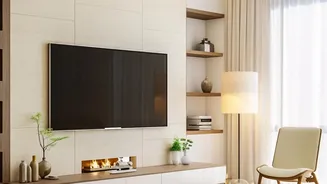
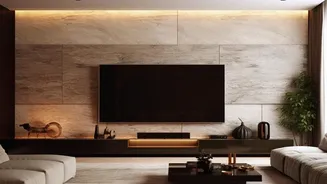
This lived-in reality has completely reshaped furniture trends. The demand is no longer for imposing, decorative pieces but for furniture that is adaptable, comfortable, and built for daily wear and tear. Multi-functional furniture has become the hero of the modern Indian living room. Think of sectional sofas that offer flexible seating for family movie nights, coffee tables that rise to become workstations, and ottomans with hidden storage to keep clutter at bay. Easy-to-clean surfaces and durable materials like teak and sheesham are preferred. Modularity is key, with consumers looking for integrated solutions like coordinated living room sets and TV units with concealed storage that bring order to a multi-purpose space.
A Room That Reflects Modern India
Ultimately, the evolution of the living room is a mirror to the evolution of Indian society itself. The move away from formality towards practicality signifies a broader cultural shift. It reflects a population that is more global in its outlook, more individualistic in its choices, and more focused on the quality of everyday life. The market is responding, with organized furniture players noting a decisive shift in consumer behaviour towards design-led, tech-enabled, and modular solutions. The Indian home is no longer a rigid, hierarchical space but a fluid, adaptable environment that reflects the dynamic lives of the people who inhabit it. The living room, in its vibrant, slightly chaotic, and thoroughly-used new form, is the perfect embodiment of this change.