




Picking the Wrong Destination
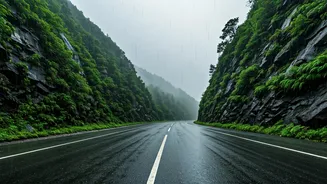
Not all destinations are created equal during the monsoon. While the rain transforms places like Kerala, Goa, and parts of Rajasthan into lush paradises, it can make others inaccessible or even dangerous. Many Himalayan destinations, for instance, become
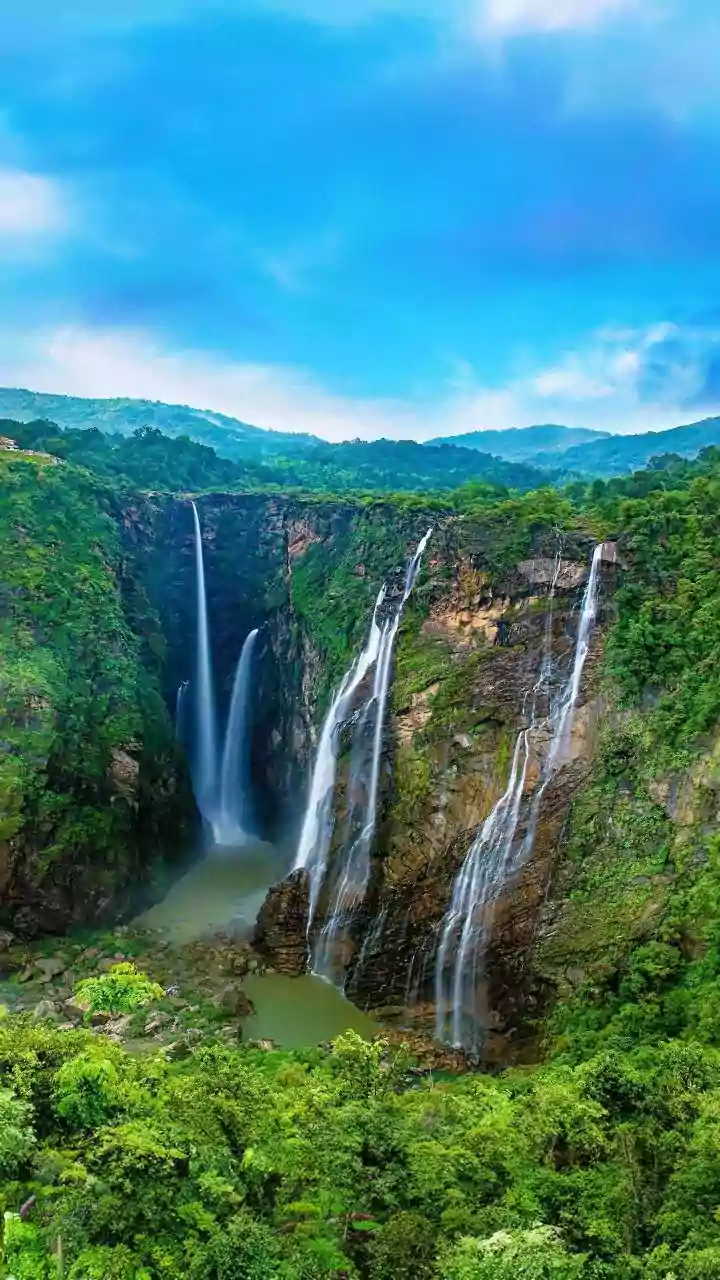
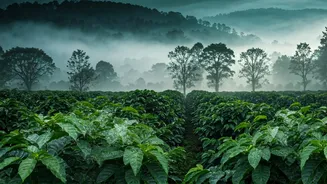
prone to landslides, leading to road closures and stranding tourists for days. Popular trekking routes can become slippery and treacherous. Instead of blindly booking a trip to a popular summer spot, do your research. Opt for destinations known for their monsoon beauty, like the Western Ghats, the backwaters of Kerala, or the majestic forts of Rajasthan, which look stunning against a cloudy sky. A well-chosen location is the foundation of a successful monsoon trip.
Packing Impractical Clothes and Footwear
That pair of heavy jeans and your favourite cotton kurtas? Leave them at home. Cotton and denim are terrible choices for the monsoon as they take forever to dry, leaving you feeling damp, cold, and uncomfortable. Instead, pack light, synthetic, and quick-drying fabrics like polyester, nylon, or rayon. They won't hold moisture and will be ready to wear again in no time. The same logic applies to footwear. Leather shoes will be ruined by the water and dampness. Your fancy sneakers will get squelchy and smelly. The best options are waterproof sandals, floaters, or rubber slip-ons that offer good grip and can be washed and dried easily. A good pair of waterproof shoes can make the difference between exploring comfortably and being stuck indoors with wet feet.
Ignoring Health and Safety Precautions
The monsoon brings relief from the heat, but it also creates breeding grounds for mosquitoes, which can carry diseases like dengue and malaria. It's a non-negotiable mistake to travel without a strong insect repellent. Apply it generously, especially during dusk and dawn. Furthermore, the damp conditions can lead to a rise in water-borne illnesses. Be extremely cautious about drinking water; stick to bottled or boiled water only. While street food is a highlight of any Indian trip, be extra selective during the monsoon. Avoid freshly cut fruits, salads, or anything that might have been washed in contaminated water. Opt for hot, freshly cooked meals to minimise the risk of an upset stomach spoiling your holiday.
Forgetting to Waterproof Your Belongings
Protecting yourself from the rain is only half the battle; your belongings need protection too. Nothing ruins a day like a phone that has died from water damage or a passport that has turned to pulp. Invest in a good quality waterproof backpack or, at the very least, a waterproof cover for your existing bag. Use zip-lock bags or dry bags to compartmentalise and protect your electronics, wallet, important documents, and any spare clothes. Even cash can get damp and unusable. Carrying a few small plastic bags is a simple but effective hack for keeping essential items dry when you're out and about.
Sticking to a Rigid Itinerary
The monsoon is beautiful but unpredictable. A sudden, heavy downpour can wash away your plans for the day in minutes. Flights can be delayed, trains can be rescheduled, and roads can be temporarily flooded. The biggest mistake you can make is creating a jam-packed, inflexible schedule. Instead, embrace a slower pace of travel. Build buffer days into your itinerary. For every outdoor activity you plan, have a cosy indoor alternative in mind—like visiting a local museum, trying a cooking class, or simply relaxing at a cafe with a book and a hot cup of chai, watching the rain fall. Flexibility is key to enjoying, rather than fighting, the whims of the season.
Underestimating Local Travel Disruptions
Assuming your cab will arrive in five minutes or that you can easily hop on a local bus during a downpour is a rookie error. Heavy rains often lead to traffic snarls in cities and can make rural roads difficult to navigate. App-based cab services may have surge pricing or a shortage of drivers. When planning your daily excursions, factor in extra travel time. It’s wise to stay in a centrally located hotel that allows you to explore some areas on foot. Before you leave, check local news and weather reports for any travel advisories. Being prepared for delays means they become a minor inconvenience rather than a major travel disaster.