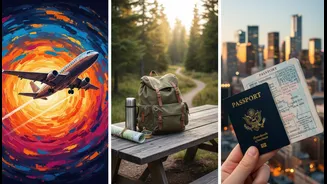






Redefining the Mini-Break
The traditional annual vacation is making way for what some are calling a 'micro-holiday economy'. Instead of one long holiday, many are opting for multiple shorter, more immersive trips throughout the year. This trend is fuelled by a new definition of luxury
that prioritises experience over mere extravagance. It's less about ticking off destinations and more about the quality of the experience, whether that's a wellness retreat, a culinary journey, or a stay at a boutique property. Recent data shows a significant rise in weekend staycations, with travellers spending more on four and five-star properties for shorter periods. Nearly 62% of recent hotel bookings were for these premium categories, indicating a desire for a concentrated dose of luxury. This isn't budget travel squeezed into a weekend; it's a premium experience in a condensed timeframe.
The Drivers Behind the Drive
Several factors are powering this shift. A key driver is the post-pandemic reprioritisation of personal well-being and experiences over material possessions. Improved infrastructure, including better highways and more flights, has made getting away quicker and more convenient. The rise of hybrid and remote work models has also played a role, blurring the lines between work and leisure and allowing for more flexible travel schedules. Furthermore, a growing segment of affluent young professionals, particularly millennials and Gen Z, have the disposable income and the desire to invest in their well-being. For this demographic, travel is seen as an essential part of a balanced lifestyle, not an occasional indulgence.
A New Generation of Travellers
Millennials and Gen Z are at the forefront of this trend. This digitally native cohort is more willing to spend on travel, with studies showing they plan to increase their travel budgets significantly. Millennials in India are already the top spenders on travel compared to other generations, viewing it as a major part of their annual expenses. They seek unique, 'insta-worthy' experiences and are heavily influenced by social media. This generation values authenticity and immersion, looking for genuine cultural encounters, from culinary trails in Kerala to heritage walks in Rajasthan. There's also a rising interest in solo travel for self-discovery and in trips with immediate family, with a willingness to cover costs for loved ones to create shared memories.
The Most Sought-After Escapes
While classic destinations remain popular, the focus is on the type of experience offered. Wellness retreats in the serene Himalayas or the backwaters of Kerala are in high demand, offering a respite from urban chaos. Boutique hotels and restored heritage properties, such as the palaces in Rajasthan, provide a sense of exclusivity and a deep connection to local culture. Coastal getaways in places like Goa and Daman offer a mix of relaxation and vibrant nightlife, with luxury resorts providing private beach access and bespoke services. The trend is also spreading beyond the major metros, with travellers from Tier 2 and Tier 3 cities joining the quest for luxurious weekend breaks, empowered by rising incomes and better connectivity.
How the Industry is Responding
The hospitality industry has been quick to adapt to this 'mini-vacation mindset'. Luxury hotels are no longer just selling rooms; they are curating experiences. This includes offering themed weekend packages, wellness programs, private cooking classes, and guided cultural tours. There's a clear move towards personalisation, with hotels using technology to tailor stays to guest preferences. Many properties are also becoming destinations in themselves, offering a complete ecosystem of dining, wellness, and entertainment. The growth in this segment has been significant, with the luxury hotel market in India showing strong performance and a positive outlook for continued growth.