







More Than Just a Number
For decades, the word “calorie” has been linked with restriction, complex calculations, and often, a sense of guilt. It's a term born from 19th-century thermodynamics that has come to dominate conversations around health, diet, and fitness. But this narrow
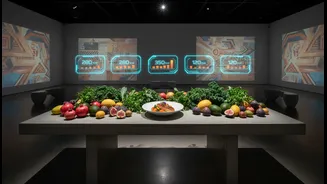
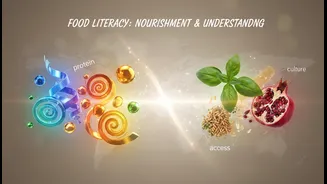
focus often misses the bigger picture: the culture, history, politics, and pleasure of food. In response, Science Gallery Bengaluru has launched 'Calorie', a year-long exhibition designed to unpack our complex relationship with what we eat. Running from August 2025 to July 2026, the event swaps daunting lectures for engaging, thought-provoking experiences. The goal is to move the conversation from a simple count to a meaningful context, asking not just how many calories, but why we eat, who grows our food, and how it truly affects our bodies and communities.
Art and Science on One Plate
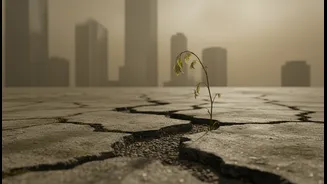
The 'Calorie' exhibition, supported by partners like the Gates Foundation and British Council, features the work of numerous Indian and international artists who use their craft to explore these themes. Instead of charts and diagrams, visitors encounter 34 art installations, films, and workshops spread across two floors. One striking installation, 'Ragi.net' by artist Surekha, features ragi seedlings sprouting from a bed of discarded e-waste like keyboards and computer monitors, a powerful commentary on how Bengaluru's agricultural lands have transformed into a tech hub. Another sensory exhibit by Parag Kashinath Tandel, 'Food as an Archaeological Site', uses materials like fishing gear and dental plaster to explore the story of Mumbai's Koli community and the iconic Bombay Duck fish. These artistic interpretations make abstract concepts like food systems and cultural loss tangible and emotionally resonant.
An Interactive Feast for the Mind
True to its mission, the exhibition is deeply interactive. It's not about passively observing art, but actively engaging with ideas. One activity invites visitors to play a modified version of the classic video game 'Snake', where they must consider the impacts of scarcity and climate change. Another allows participants to weave a physical strand through blocks that represent genes, creating their own concept for a new strain of rice. The exhibition also features practical displays, such as boxes for cultivating edible crickets and aquariums for rearing molluscs, presenting alternative protein sources. Other exhibits are even more provocative, such as a display of dehydrated food waste pressed into pill form and 'The Museum of Edible Earth', which showcases different types of clay and soil consumed by communities globally, questioning the very definition of food.
Fostering a New Generation of Thinkers
A key audience for the 'Calorie' exhibition is young people aged 15 to 28, a demographic often targeted by confusing diet fads and social media wellness trends. The gallery aims to provide a space for this generation to question, experiment, and develop a more nuanced understanding of food. Dr. Kiran Mazumdar-Shaw, a board member of the gallery, noted that the exhibition urges young minds to rethink resource use, agriculture, and climate adaptation. This educational mission is powered by a team of 'Experimentors'—young adults who undergo 14 months of training in public engagement and science communication. They facilitate workshops, guide visitors, and help bring the exhibition's complex themes to life, ensuring the experience is accessible and engaging for everyone.
A Blueprint for Health Education
Initiatives like the 'Calorie' exhibition are part of a broader shift in India towards more interactive and effective health education. Health bodies and non-profits are increasingly recognizing that passive learning is not enough to combat the nation's public health challenges, which include undernutrition and a rise in lifestyle diseases. Programs like the FSSAI's 'Eat Right School' and other digital classroom initiatives use games, role-playing, and hands-on activities to teach children about balanced diets and healthy habits. By making learning fun and relevant, these models empower individuals to make informed choices. The 'Calorie' exhibition serves as a powerful example of this approach, demonstrating that the most effective way to learn about food is not through a lecture, but through a rich, multi-sensory experience that connects to our culture, environment, and personal lives.