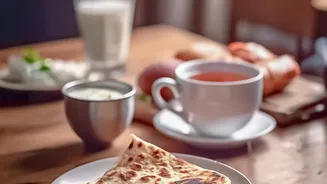



There's nothing more disappointing than brewing a cup of your favourite tea only to find it tastes flat and lifeless. The vibrant aroma is gone, the flavour is dull. The good news? The solution is simpler and cheaper than you might think.
The Five Enemies of Fresh Tea
Before you can
protect your tea, you need to know what you're fighting against. Tea leaves are delicate and highly sensitive to their environment. There are five key factors that will degrade the quality of your tea, stealing its aroma and flavour: light, air, moisture, heat, and odours. Light, especially direct sunlight, breaks down the chemical compounds that create tea's complex taste. Air exposure leads to oxidation, which makes the leaves go stale. Moisture is an obvious enemy, as it can lead to mould and ruin the tea entirely. Heat speeds up all these degradation processes, while strong odours from spices or coffee can be absorbed by the tea leaves, permanently altering their taste. Keeping these five enemies at bay is the secret to a perfect cup.
Why Airtight Tins Are Your Tea's Best Friend
This is where the humble tin container comes in. You don’t need vacuum-sealers or other expensive gadgets; a simple, well-made tin is one of the most effective tools for preserving tea. Firstly, tins are opaque, providing complete protection from the harmful effects of light. Unlike a clear glass jar that looks pretty on the counter but exposes leaves to sunlight, a tin creates a dark environment. Secondly, a good tin with a snug-fitting lid provides an airtight seal. Some of the best tins even feature a double-lid system for extra protection. This barrier prevents oxygen from getting in and causing the tea to lose its volatile aromatic compounds, which are responsible for both fragrance and flavour. Finally, tins are non-porous and won't impart any unwanted flavours or odours, unlike some plastic containers. They are also durable, reusable, and easy to organise.
Choosing the Right Tin: What to Look For
Not all tins are created equal, but finding a good one is easy. The most important feature is a tight-fitting lid. When you press it on, it should feel snug, with no visible gaps. This ensures it is properly airtight. Materials like tin-plated steel or stainless steel are excellent choices. Many high-quality tea canisters feature an inner lid in addition to the main exterior lid, creating a double seal that is highly effective at blocking out air and moisture. When it comes to size, it's actually better to choose a container that you can fill almost to the top. Less empty space in the tin means less trapped air to begin with, which further slows down oxidation. If you buy tea in a large quantity, consider decanting a week's worth into a smaller daily-use tin and keeping the rest sealed in the larger one.
Common Tea Storage Mistakes to Avoid
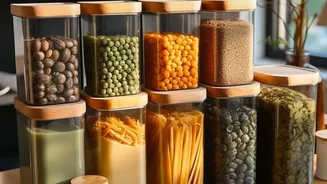
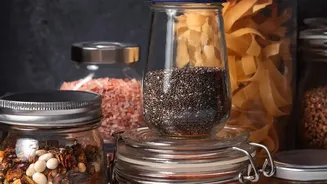
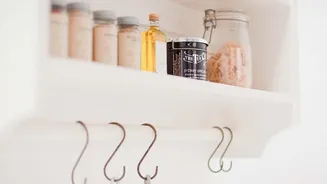
Even with the best intentions, it's easy to make mistakes that compromise your tea's freshness. The most common error is storing tea in clear glass jars on an open shelf or near a window. While visually appealing, this is a recipe for flavour loss due to light exposure. Another frequent mistake is storing tea near a source of heat, like a stove, oven, or a sunny spot. The heat will accelerate the degradation of the tea leaves. Storing tea in the refrigerator or freezer is also generally not recommended for most tea types. The condensation that forms each time you take the container out introduces moisture, which is one of tea's worst enemies. Finally, avoid keeping your tea next to your spice rack or coffee beans. Tea is like a sponge for smells, and it will quickly absorb any strong aromas around it, ruining its original flavour profile.