






Tired of sterile hotel rooms and tourist-trap restaurants? There’s a growing movement toward a different kind of travel, one that swaps generic vacations for genuine connection by embedding you directly into the fabric of a place.
Beyond the Postcard View
Imagine waking up not
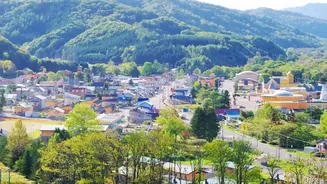
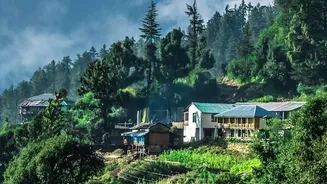
to a muffled hallway vacuum, but to the scent of coffee brewing in a real home, with views of rolling hills shrouded in morning mist. This is the promise of a homestay in one of America’s quiet hill towns. More than just a room for the night, it’s an invitation to step into a different pace of life. Unlike conventional hotels or anonymous vacation rentals, these stays are rooted in personality and place. They are often found in regions known for their scenery but not their crowds, like the Appalachian Mountains, the Berkshires of New England, or the Catskills in New York. The experience is defined by leaving the commercialized travel corridor behind and finding a slice of stillness, where the destination is not just a backdrop for photos but a community to be temporarily part of. This model of travel prioritizes immersion over observation, offering a richer, more textured understanding of a region.
The Kitchen as the Heart of the Journey
The single greatest advantage of a homestay is often found at the dinner table. This is where 'authentic regional cooking' transforms from a menu buzzword into a lived reality. Hosts, many of whom are farmers or long-time residents, share food that tells the story of their land. In a New England farm stay, this might mean a breakfast featuring eggs collected that morning and maple syrup tapped from nearby trees. In the foothills of Appalachia, it could be a multi-course meal rooted in 'Foothills Cuisine', where seasonal ingredients from the on-site garden dictate the menu. These are not professional chefs performing for guests, but passionate locals sharing generations-old recipes and food traditions, from sourdough bread to home-preserved vegetables. This exchange turns a simple meal into an act of cultural immersion, connecting you directly to the agricultural heartbeat of the place you’re visiting.
Hospitality That Feels Like Family
In a hotel, hospitality is a service. In a homestay, it's a relationship. Hosts are more than landlords; they are your personal guides, offering insider tips that you’ll never find in a guidebook. They might point you to a hidden hiking trail, introduce you to a local artisan, or share the history of the 200-year-old cabin you’re staying in. This personal connection is particularly valuable for those seeking to understand a place on a deeper level. The experience fosters a sense of security and belonging, transforming a trip into something more personal and memorable. You arrive as a guest but often leave feeling like a friend, with stories and connections that last long after you’ve returned home.
How to Find These Hidden Havens
Finding these authentic homestays requires looking beyond the usual hotel booking sites. A great starting point is to search for terms like 'farm stay,' 'agritourism,' or 'rural tourism' combined with the region you're interested in, such as 'Vermont farm stay' or 'Appalachian agritourism.' Many of these experiences are offered by working farms that open their doors to guests as a way to share their lifestyle and diversify their income. Exploring the websites of regional and small town tourism boards can also uncover unique lodging opportunities that aren't listed on major platforms. The key is to look for hosts who emphasize their connection to the land, their community, and their culinary traditions. Reading reviews can provide insight into the level of interaction and the authenticity of the experience, helping you find a perfect match for the kind of immersive trip you're seeking.