






From Appliance to Experience
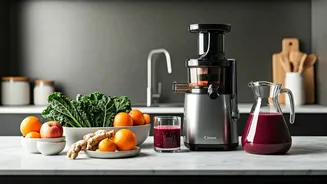
So, what exactly is a juice station? It's more than just stashing a juicer in a cupboard. Think of it as a meticulously curated nook dedicated to the art of beverage creation. The star is often a high-end, cold-press masticating juicer—sleek, quiet, and
promising maximum nutrient retention. Surrounding it is an entire ecosystem of accessories: artfully arranged bowls of organic lemons, kale, and ginger; a display of minimalist glass bottles for storage; a dedicated sink for quick rinsing; and perhaps a small chopping board made of reclaimed wood. It's not just a place to make a drink; it's a styled vignette, an experience designed to be as aesthetically pleasing as the juice is nutritious. This evolution from a single appliance to a dedicated 'station' mirrors the way coffee corners and home bars have been integrated into interior design, but with a distinctly 21st-century, health-conscious twist.
The Rise of Performative Wellness
The emergence of the juice station is perfectly timed. It sits at the intersection of several major cultural currents, the most significant being the rise of 'performative wellness'. In an age dominated by social media, it’s not enough to be healthy; one must also project an image of health. Your home is no longer just a private sanctuary but a backdrop for your life, broadcast on Instagram and Pinterest. A beautifully organised juice station, with its vibrant colours and clean lines, is incredibly photogenic. It’s a visual shorthand that says, “I invest in my health, I have discerning taste, and I have my life together.” Each post of a freshly pressed green juice isn't just about nutrition; it's a carefully crafted statement about personal values and status.
The New Home Bar
For generations, the home bar was the ultimate symbol of sophisticated hosting and personal indulgence. It was a space dedicated to spirits, elaborate glassware, and the art of the cocktail. Today, for a growing, health-focused demographic, the juice station is its direct successor. Where a collection of single malts once stood, there might now be a lineup of kombucha scobys and ginger shots. The cocktail shaker is being replaced by the NutriBullet. This shift reflects a broader cultural change in how we socialise and what we consider a luxury. Indulgence is no longer about hedonism, but about self-care. Offering a guest a freshly pressed celery-and-apple juice is the new way of demonstrating hospitality and care, signalling a shared commitment to a wellness-oriented lifestyle.
The Investment in Health and Status
Let’s be clear: creating a true juice station is a flex because it requires a significant investment. High-quality cold-press juicers can run into tens of thousands of rupees. The commitment to a steady supply of fresh, often organic, produce is both a financial and logistical one. Most importantly, it requires space—a luxury in many modern Indian homes. Carving out a dedicated corner of your kitchen or pantry exclusively for juicing is a statement in itself. It signals that you have the resources—financial and spatial—to prioritise this specific aspect of your well-being. It's a subtle but powerful display of wealth, channelled through the modern and more socially acceptable lens of health and self-improvement.
An Indian Adaptation
While the aesthetic may be borrowed from global design trends, the concept resonates deeply in India. We are a culture that has long cherished fresh juices, from the ubiquitous street-side sugarcane and mosambi vendors to the Ayurvedic emphasis on liquid nutrition. The modern juice station is simply the 2024 avatar of this tradition, repackaged for the urban, affluent Indian household. It’s appearing in luxury apartments in Mumbai and sprawling bungalows in Delhi, where homeowners are blending global wellness trends with local ingredients. Think cold-pressed amla and beetroot juice instead of just kale and spinach. It’s a way of connecting with tradition, but on thoroughly modern, aspirational terms.