





The Science of Stale Air
Why can’t clothes just be stored and forgotten until the first frost? The main culprit is moisture. Even clothes that feel perfectly dry can retain a small amount of moisture from the air or from not being 100% dry after their final wash. When sealed
in a container or packed tightly in a dark wardrobe, this moisture has nowhere to go. The stagnant air creates a perfect breeding ground for mould and mildew, which results in that unmistakable musty odour that is notoriously difficult to remove. These fungi don't just smell bad; they can stain fabrics and even begin to break down natural fibres like wool, cotton, and silk, weakening them over time. Periodically airing your garments disrupts this process by introducing fresh, dry air, which evaporates the trapped moisture and prevents mould spores from taking hold. It's a simple preventative step that safeguards the integrity of the fabric itself.
Unseen Pests in Your Wardrobe
Beyond microscopic fungi, an undisturbed storage space is an open invitation for pests. Clothes moths and carpet beetles are the most common enemies of stored textiles. The larvae of these insects are the real problem, as they feed on keratin, a protein found in animal fibres like wool, cashmere, silk, and fur. They are attracted to dark, quiet, and undisturbed locations, making your stored winter-wear a five-star hotel for them. A single moth infestation can result in dozens of tiny, irreparable holes in your most cherished sweaters and coats. Airing your clothes serves a dual purpose in pest prevention. Firstly, it disturbs their preferred environment. These pests thrive when left alone, so shaking out and exposing garments to light and air makes the location far less appealing. Secondly, it gives you a crucial opportunity to inspect your clothing for any early signs of infestation, such as fine webbing, tiny cocoons, or the insects themselves, allowing you to act before significant damage is done.
Your Mid-Storage Refresh Guide
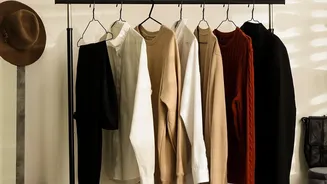
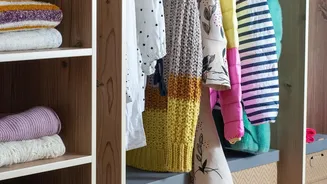
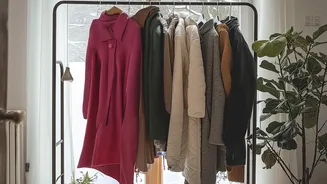
Airing your clothes doesn't need to be a complicated, all-day chore. The key is consistency. Aim to check on your stored items at least once or twice during their off-season hibernation, perhaps once in the middle of summer and again in early autumn. Choose a dry, breezy day for the task. You don't need to wash everything again; simply remove the items from their storage containers or bags. Give each garment a gentle shake and hang it in a well-ventilated area for a few hours. An indoor space with good airflow from a fan or open window is ideal. Avoid direct sunlight, as the harsh UV rays can cause colours to fade, especially on delicate fabrics. The goal is simply to let the fabric 'breathe' and release any trapped humidity or odours. While you have everything out, take the opportunity to refold the items differently to prevent permanent creasing along the same lines.
Smarter Storage from the Start
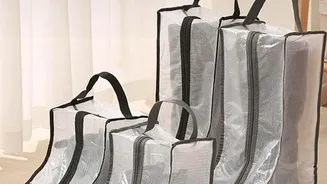
The need for airing can be minimized by adopting better storage practices from day one. The most critical rule is to only store items that are completely clean. Food stains, sweat, and body oils are highly attractive to pests and can set into the fabric over time. Before packing anything away, ensure it is properly washed or dry-cleaned according to its care label. Next, consider your container. While plastic bins seem secure, they can trap moisture and promote mildew. Breathable cotton or linen garment bags or canvas storage boxes are far better choices for natural fibres. If you must use plastic, ensure the clothes are bone-dry and consider adding silica gel packets to absorb excess humidity. Finally, enhance your pest defence with natural repellents. Cedar blocks, cedar oil, or sachets filled with dried lavender are effective deterrents that also leave your clothes with a pleasant, fresh scent, unlike the chemical odour of traditional mothballs.