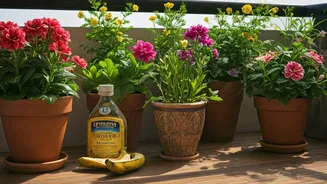





The Promise in The Peel
The logic behind using banana peels in the garden is rooted in solid plant science. Banana peels are a well-known source of essential nutrients. Chief among them is potassium, a macronutrient vital for a plant's overall health. Potassium plays a key role
in moving water and nutrients within plant cells, strengthening stems, and, most importantly for our purpose, promoting vigorous flowering and fruiting. Peels also contain smaller amounts of phosphorus, which aids in root and flower development, and magnesium, which is crucial for photosynthesis. The idea is that by steeping these peels in water, you can create a nutrient-rich liquid—often called 'banana tea'—that can be easily fed to your plants, giving them a gentle, organic boost exactly where they need it.
From Kitchen Scrap to Liquid Gold
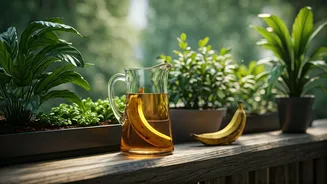
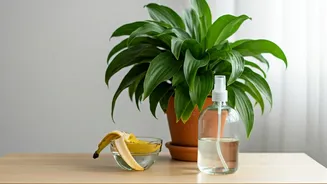
Making your own banana peel spray is incredibly simple and a fantastic way to reduce kitchen waste. You don't need any special equipment, just a few common household items. Here’s a straightforward method: 1. **Collect Your Peels:** Start saving banana peels from your daily consumption. You can use them fresh or even store them in the freezer until you have enough. Two to three peels are a good starting point for a small batch. 2. **Chop Them Up:** Cut the peels into small, one-inch pieces. This increases the surface area, allowing more nutrients to leach into the water. 3. **Soak in Water:** Place the chopped peels in a large jar or container and cover them completely with about one litre of water. You can use regular tap water, but letting it sit for 24 hours first allows chlorine to evaporate, which is healthier for your plants. 4. **Steep and Wait:** Seal the jar and place it in a cool, dark spot for three to five days. The water will slowly turn a brownish colour as the nutrients are released. Some gardeners prefer a quicker method of boiling the peels for 10-15 minutes and letting the water cool, which extracts nutrients faster. 5. **Strain and Store:** After steeping, strain the liquid through a sieve or cheesecloth to remove the solid peel pieces. Your banana peel liquid is now ready! The leftover peels can be composted or buried directly in the soil of larger pots.
How to Use Your Banana Spray
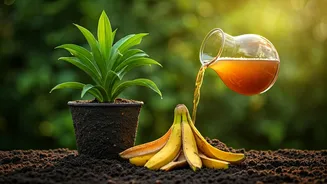
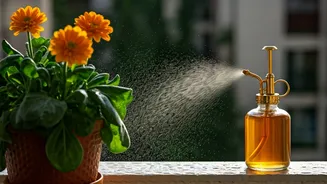
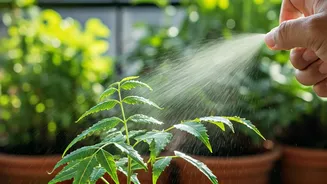
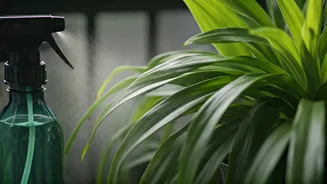
You have your nutrient-rich liquid, but what’s the best way to apply it? For balcony gardens, you have two main options. The most effective method is to use it as a soil drench. Dilute your concentrated banana tea with an equal part of fresh water (a 1:1 ratio) and pour it directly onto the soil around the base of your plants. This feeds the roots, which are designed for nutrient absorption. Do this once every two to three weeks during the growing and flowering season. You can also use it as a foliar spray by adding the strained, diluted liquid to a spray bottle and misting the leaves of your plants. However, do this early in the morning to allow leaves to dry, preventing fungal growth. While some nutrients can be absorbed through leaves, soil drenching is generally more efficient for this type of homemade fertilizer.
Miracle or Mild Supplement?
Now for the crucial question: will this spray truly induce *massive* blossoms? It's important to manage expectations. While banana peels do contain potassium, the amount that leaches into water is relatively low. This spray is not a replacement for a balanced, all-purpose fertilizer, especially for heavily feeding plants. Think of it as a gentle, organic supplement—a vitamin boost rather than a full meal. Its biggest advantages are that it's free, organic, and reduces waste. It will not harm your plants, and it provides a slow, mild release of key nutrients that can certainly support and encourage flowering. The 'massive' results seen in some photos online are likely due to a combination of good gardening practices, including proper sunlight, watering, and a comprehensive feeding schedule, of which a banana spray might be one small part.
Best Plants for This Banana Boost
Certain plants are more likely to appreciate the extra potassium. In a typical Indian balcony garden, focus on plants known for their beautiful flowers or fruits. Hibiscus (Gudhal), roses, bougainvillea, and jasmine are all heavy feeders that will welcome the support for their blooms. Flowering annuals like marigolds (Genda) and petunias can also benefit. If you’re growing vegetables, plants like tomatoes, peppers (chillies), and brinjal will use the potassium to support both their flowers and the subsequent development of fruit. For these plants, a regular application during their flowering stage can contribute to a healthier and more productive season.