



From a Showpiece to a Hub
For decades, the living room in many Indian homes was designed to impress, often serving as a formal 'drawing room' reserved for guests. It featured imposing sofas and elaborate centre tables, with luxury defined by sheer size and unoccupied floor space.
But this is shifting fast. Today, our relationship with our homes has changed. The living room is no longer a static chamber for display; it has become a fluid, adaptable space for conversation, working, entertaining, and relaxing. Several factors are driving this change. The rise of hybrid work means the home must also function as an office. Smaller apartment sizes in urban centres demand that every square foot is utilised efficiently. As a result, the once-sacred drawing room has merged with the family room, becoming the centre of daily activity.
The New Priorities: Durability and Adaptability
As living rooms work harder, the demands on our furniture have changed. Aesthetics alone are no longer enough. The new keywords are durability, comfort, and multi-functionality. Homeowners are now looking for pieces that can withstand the rigours of daily use by the entire family. This has led to a renewed appreciation for solid woods like teak and sheesham, known for their longevity, over high-gloss finishes. There is a growing understanding that furniture is an investment in everyday quality of life, not just a decorative item. Consequently, there's a greater willingness to choose pieces that are built to last and adapt to evolving needs.
Choosing Furniture for the Everyday
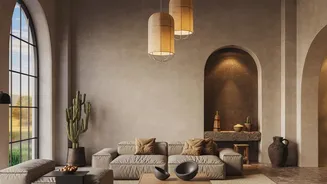
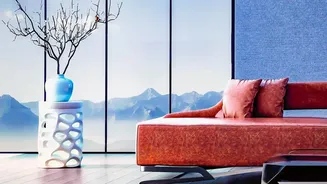
So, what does this new 'lived-in' furniture look like? It's all about smart, versatile design. Multi-functional pieces have become essential in modern Indian homes. Think of sofa-cum-beds that transform a living room into a guest room, coffee tables with hidden storage to declutter surfaces, or extendable dining tables that can accommodate both daily meals and festive gatherings. Modular sofas are also gaining popularity, offering the flexibility to be reconfigured to suit different occasions. The trend also leans towards warmer, more inviting aesthetics. The cool greys and stark whites of previous years are being replaced by earthy tones like terracotta, olive green, and warm browns that create a cosier atmosphere. Rounded silhouettes and curved edges are favoured over sharp, boxy lines, making spaces feel more organic and easier to navigate.
An Investment in How You Live
This shift isn't just about buying new things; it's about rethinking our approach to our living spaces. It’s about being more discerning about what we bring into our homes. Instead of filling a room to impress others, the focus is now on creating an environment that supports our daily routines and enhances our comfort. It involves asking whether your furniture works for you or if you are working around it. Does your sofa invite you to relax after a long day? Can your centre table handle homework, laptops, and a board game? By prioritising furniture designed for daily use, we are not just decorating a room; we are consciously designing a better, more functional, and more personal home life.